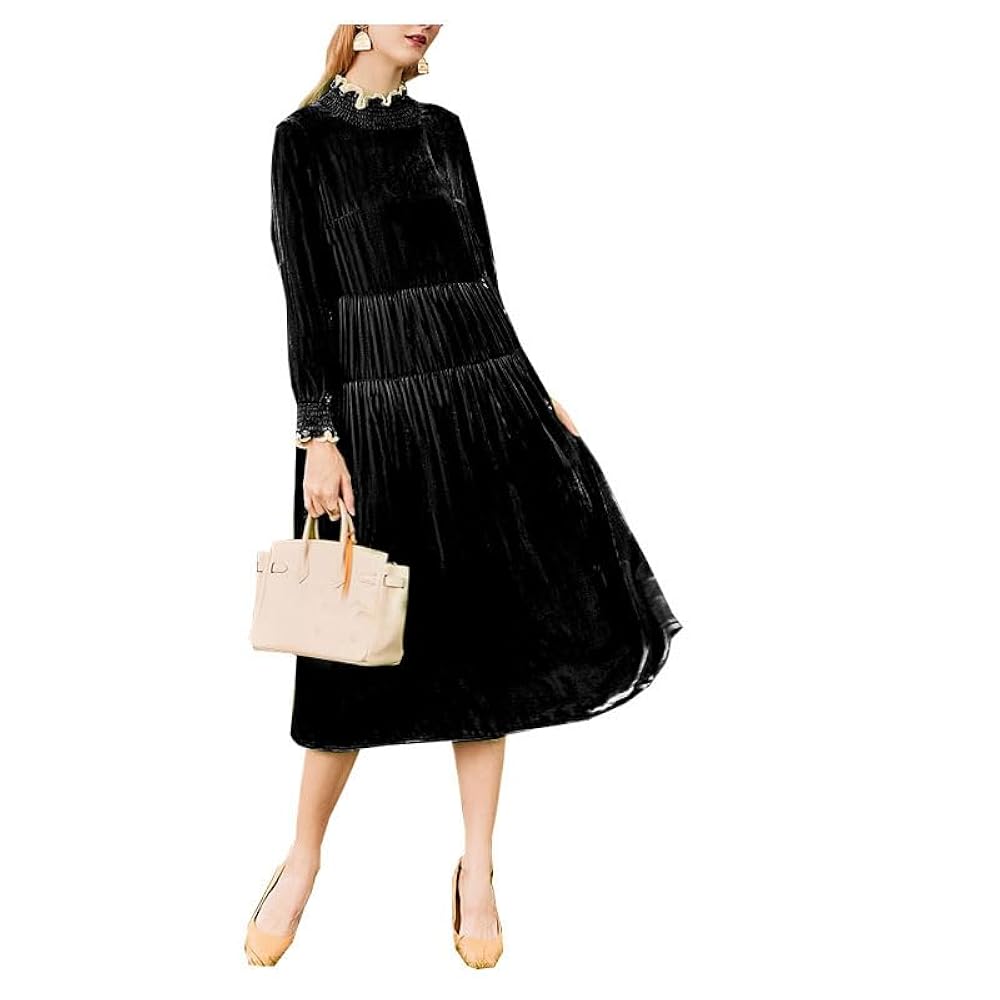
Velvet’s reputation as the “fabric of royalty” is perhaps nowhere more evident than in its long and fascinating history within European courts. From the medieval era to the height of the Renaissance, and continuing through the Baroque and Rococo periods, velvet became inseparable from the image of monarchy, aristocracy, and the church. In European courts, velvet was not merely fabric; it was a language of power, wealth, and sacred authority.
The allure of velvet in Europe was tied to its exclusivity. Its complex weaving process, which required specialized looms and expert artisans, made it one of the most expensive textiles of its time. Unlike wool or linen, which were widely available, velvet was produced in limited quantities and demanded enormous labor. As a result, it was accessible only to royalty, nobility, and the clergy. Laws in several countries even restricted its use, ensuring that velvet remained a privilege of the elite.
In courts across Europe, velvet was worn in the form of robes, gowns, doublets, and capes, often richly dyed in deep colors like crimson, purple, and black—shades associated with authority, luxury, and spirituality. Velvet also adorned thrones, wall hangings, and ceremonial furnishings, transforming courtly spaces into theaters of magnificence. When foreign envoys entered European courts, the sight of kings and queens draped in velvet conveyed not only fashion but political strength and divine favor.
The church also played a major role in amplifying velvet’s association with sacred power. Cardinals, bishops, and popes often wore velvet vestments during major ceremonies, symbolizing the wealth and authority of the institution. In this way, velvet bridged the sacred and the secular, dressing both monarchs and religious leaders in a fabric that signaled status beyond ordinary mortals.
Velvet in European courts was not static; it evolved alongside shifting fashions, artistic movements, and political dynamics. During the Renaissance, for example, Italian velvet production in Venice and Florence set the standard for all of Europe. Later, the Baroque period saw velvet take on new decorative extravagance, with embroidery, gilding, and jewel-encrusted embellishments. By the Rococo era, velvet remained central to the elaborate sartorial displays of monarchs like Louis XV.
What makes velvet’s story in European courts particularly fascinating is that it functioned both as a fashion fabric and as an instrument of statecraft. Monarchs and nobles used velvet to project grandeur and to maintain clear social hierarchies. Even as the Industrial Revolution eventually made velvet more accessible, its ceremonial importance in courts never disappeared. From coronation robes to parliamentary attire, velvet continues to play a role in representing Europe’s enduring traditions of power and prestige.
Velvet as a symbol of monarchy and nobility (700 words)
Velvet’s symbolism within European courts centered on monarchy and nobility. Kings, queens, princes, and dukes wore velvet not only to display wealth but also to reinforce their elevated position in society. The fabric’s rarity and difficulty of production meant that velvet became a visual shorthand for exclusivity. Deep red velvet robes, lined with ermine fur, were often reserved for monarchs, while black velvet was favored by nobles for its elegance and gravitas.
Royal portraits from the Renaissance and Baroque eras frequently depict rulers in sumptuous velvet attire. The fabric’s sheen allowed painters to capture light and shadow in ways that emphasized grandeur and authority. Velvet was not just worn; it was displayed as part of a broader performance of monarchy.
Furthermore, sumptuary laws in countries like England and France restricted velvet use among commoners, cementing its identity as the preserve of nobility. This deliberate restriction reinforced class distinctions and maintained the court’s aura of superiority. Velvet was, in essence, woven into the very fabric of political power.
Religious significance of velvet in the courts (700 words)
Velvet’s presence in European courts extended beyond the monarchy to the church, which was deeply intertwined with political life. Religious leaders wore velvet vestments during significant ceremonies, and altars were often draped in velvet cloths dyed in rich shades like crimson and gold. The church’s use of velvet signified divine authority and spiritual wealth, complementing the monarchy’s use of the fabric for temporal power.
In papal Rome, velvet became a preferred fabric for elaborate ecclesiastical garments. Bishops and cardinals wore velvet during religious processions, emphasizing the sanctity and magnificence of the occasion. Velvet also adorned the interiors of churches and cathedrals, used for curtains, coverings, and ceremonial objects.
This dual role—royal and religious—made velvet uniquely powerful in European courts. It was both a political and a spiritual fabric, one that visually reinforced the divine right of kings and the sanctity of the church. By clothing both monarchs and clergy in velvet, European courts created a unified aesthetic of authority that left lasting impressions on subjects and visitors alike.