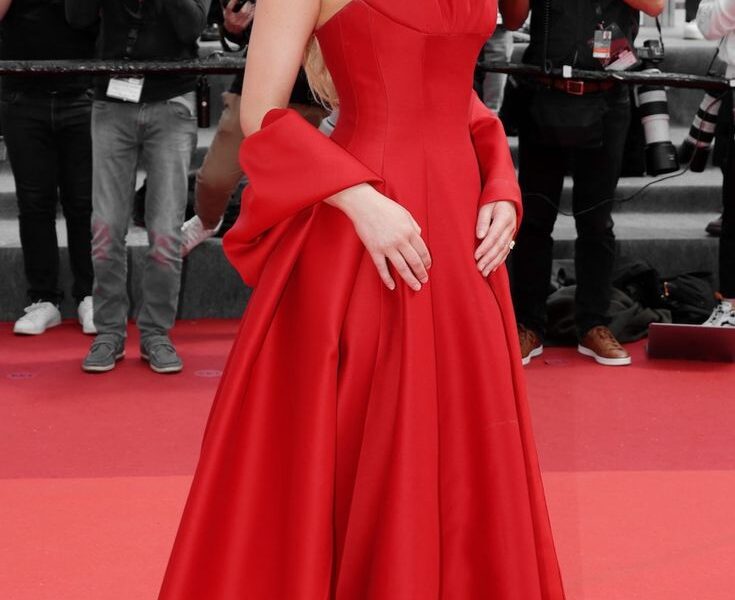
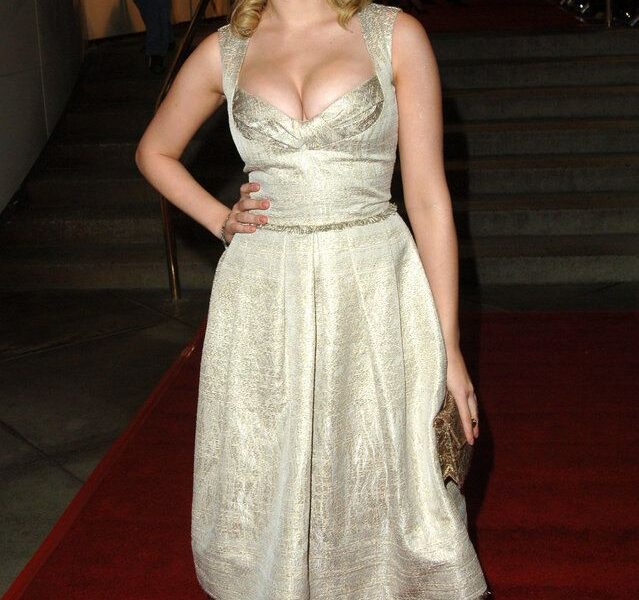
What are the main pillars of sustainable fashion?
Sustainable fashion is built on eco-friendly materials, slow fashion principles, upcycling, and ethical production practices, emphasizing environmental responsibility and social fairness in the industry.
How do everyday fashion choices reflect personal style?
Everyday fashion allows individuals to express their personality, mood, profession, and lifestyle through styles like minimalism, streetwear, casual chic, and athleisure, emphasizing personal confidence and creativity.
In what ways does culture influence modern fashion trends?
Cultural influences are seen in traditional clothing elements from various countries such as South Asian embroidery, African prints, Japanese minimalism, and Middle Eastern textiles, which designers incorporate into contemporary fashion to create global fusion styles.
How has digital technology transformed the fashion industry?
Digital technology has revolutionized fashion through social media influence, online shopping, virtual try-ons, AI design tools, augmented reality stores, and virtual clothing, making fashion more accessible and innovation-driven.
What is the historical significance of fashion in society?
Fashion historically represented class, wealth, and gender roles, evolving from symbols of social status in ancient societies to art and cultural identity in later centuries.
Fashion is a universal language that transcends borders, cultures, and time. It influences how we express ourselves, how we feel, and how society evolves. From ancient civilizations to the digital age, fashion has always been more than just clothing—it reflects identity, class, history, creativity, and now sustainability. Today, fashion is a multi-trillion-dollar global industry shaped by culture, technology, social media, and consumer awareness.
The Evolution of Fashion in Modern Society
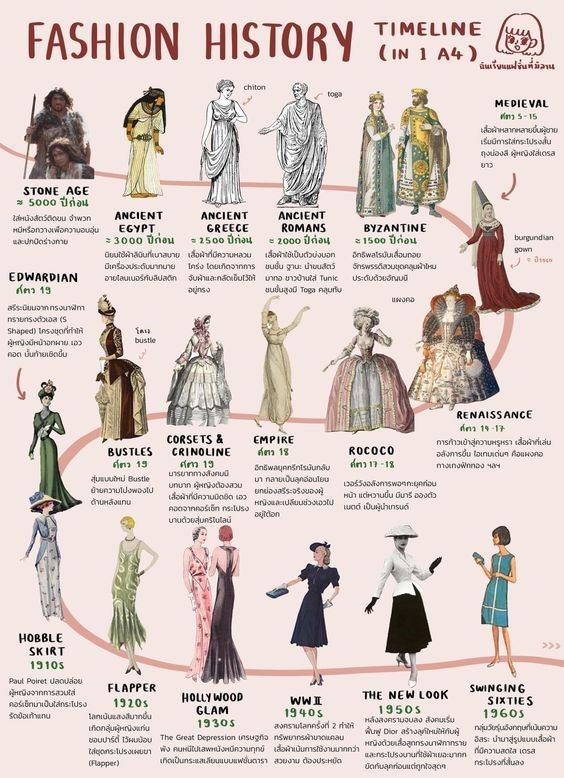
Fashion has changed dramatically over time. Historically, clothing represented class, wealth, and gender roles. In ancient societies, people dressed strictly according to social status—elites enjoyed embroidered fabrics, while common people wore simple textiles.
As centuries passed, fashion became a symbol of art and an important part of cultural identity. The 19th and 20th centuries introduced mass production, global trade, and iconic designers like Chanel, Dior, and Yves Saint Laurent who revolutionized silhouettes and styles.
The Digital Transformation of Fashion
The 21st century brought a new paradigm. Technology changed everything—from how people discover trends to how brands design and sell clothes. Social media platforms like Instagram, YouTube, TikTok, and Pinterest have turned influencers into powerful style leaders.
Today, a single outfit worn by a celebrity or influencer can go viral and reshape global fashion trends within hours. E-commerce has replaced traditional shopping experiences, and AI-powered styling tools now help consumers find personalized looks.
Fashion has shifted from exclusivity to accessibility—allowing everyone to express individuality and creativity through clothing.
Culture and Fashion: A Global Exchange
Culture plays one of the strongest roles in shaping fashion. Every country has unique clothing traditions that influence modern style.
Examples of Cultural Influence:
- South Asian culture: Intricate embroidery, lehengas, kurtas
- African culture: Bold prints, rich colors, handcrafted textiles
- Japanese culture: Minimalism, structured silhouettes
- Middle Eastern culture: Abayas, kaftans, luxurious fabrics
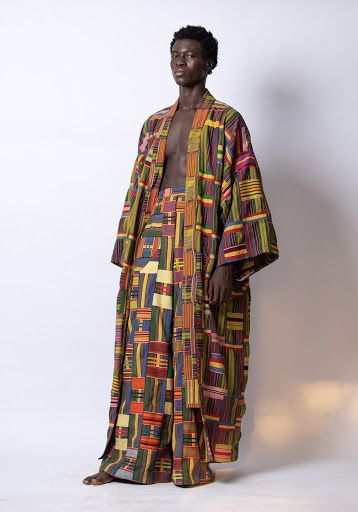
Globalization allows designers to mix styles, merge cultures, and create innovative trends. Music, movies, and global travel also expose people to new cultural fashions.
Cultural fusion is now a major part of modern style. Designers incorporate heritage elements into everyday fashion, making it richer, more meaningful, and globally inspired.
Everyday Fashion and Personal Style
Today, fashion is deeply personal. It reflects your personality, mood, profession, and lifestyle. People no longer follow trends blindly—they create their own style.
Popular Everyday Style Categories
1. Minimalist Fashion
Minimalism focuses on simplicity and elegance. Think neutral colors, clean silhouettes, and timeless classics. It promotes owning fewer, high-quality pieces that you can style in many ways.
2. Streetwear
Streetwear is bold, comfortable, and expressive. Oversized hoodies, baggy jeans, graphic T-shirts, and sneakers dominate this category. Streetwear represents individuality and urban culture.
3. Casual Chic
A balance between smart and comfortable—perfect for professionals, students, and everyday wear. Casual chic includes stylish tops, denim, blazers, cardigans, and modern accessories.
4. Athleisure
Athleisure blends sportswear with daily fashion. Leggings, tracksuits, sports sneakers, and hoodies create a comfortable yet stylish look.
Fashion today supports freedom—no rules, no restrictions, just confidence.
The Rise of Sustainable Fashion
Sustainability is one of the biggest revolutions in fashion. Consumers are now aware of environmental issues like pollution, textile waste, and unethical production.
Key Pillars of Sustainable Fashion:
1. Eco-Friendly Materials
Brands are using organic cotton, bamboo fabric, hemp, recycled polyester, and biodegradable materials.
2. Slow Fashion Movement
Slow fashion encourages mindful purchasing—buying durable, high-quality pieces instead of cheap items that end up in landfills.
3. Upcycling
Upcycling transforms old clothes into new, stylish pieces. It reduces waste and encourages creativity.
4. Ethical Production
Fair wages, safe working environments, and cruelty-free processes define ethical fashion.
Sustainable fashion is not a trend—it’s the future.
Fashion in the Digital Age
Technology has merged with fashion in extraordinary ways.
Digital Fashion Trends:
1. Virtual Try-Ons
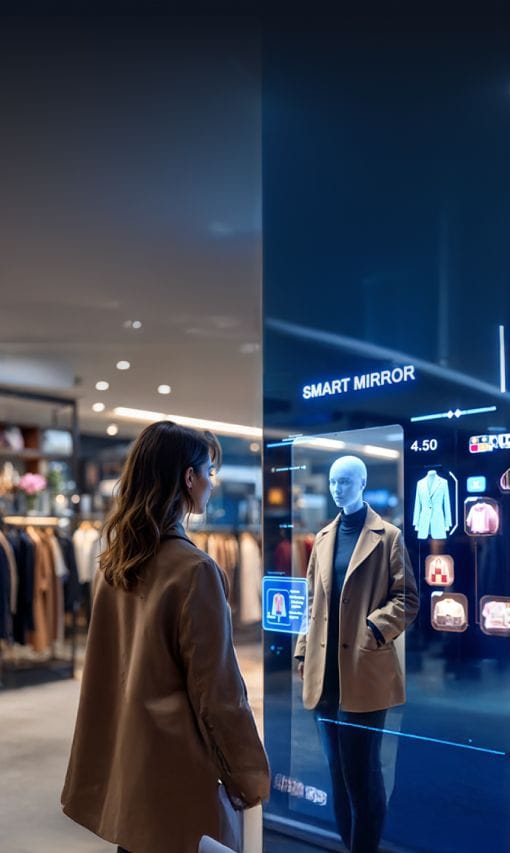
Apps now allow customers to try clothes digitally before buying.
2. AI Fashion Designers
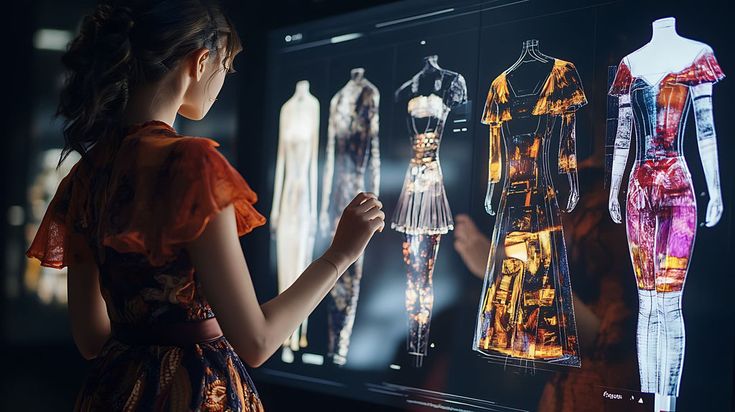
AI tools help design patterns, recommend outfits, and predict trends.
3. Augmented Reality Stores
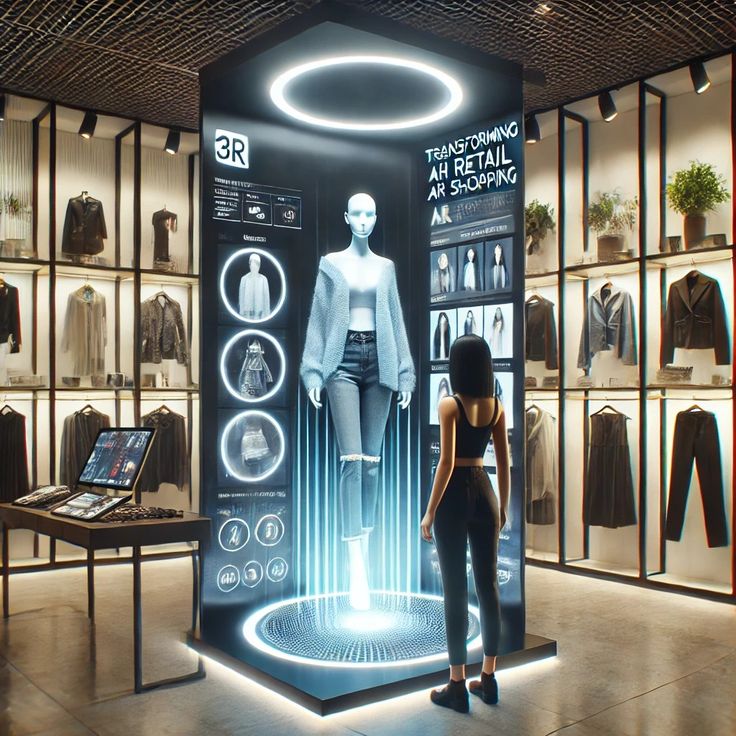
Brands like Gucci and Nike use AR to allow shoppers to visualize products.
4. Digital Clothing for Avatars
Virtual fashion for gaming and the metaverse is becoming the next big industry.
5. Social Media Dominance
TikTok trends, Instagram aesthetics, and YouTube fashion hauls drive global style.
The digital era has transformed fashion into a fast-moving, innovative, and limitless industry.
The Business of Fashion
Fashion is one of the largest industries in the world—worth trillions of dollars and employing millions globally.
Main Sectors Within Fashion:
- Haute Couture
- Ready-to-Wear
- Fast Fashion
- Luxury Brands
- Sportswear & Athleisure
- Streetwear
- Accessories & Footwear
- Beauty & Fragrances
Behind every fashion piece, there are designers, tailors, pattern makers, marketers, photographers, models, content creators, and brand strategists.
Fashion is not just creativity—it is a business empire.
The Future of Fashion
The fashion industry is evolving fast. Upcoming trends include:
- 3D-printed clothing
- AI-driven personalization
- Fully digital fashion shows
- Eco-friendly luxury fabrics
- Gender-neutral fashion
- Smart wearable technology
- Zero-waste production methods
The future is tech-driven, sustainable, inclusive, and globally connected.