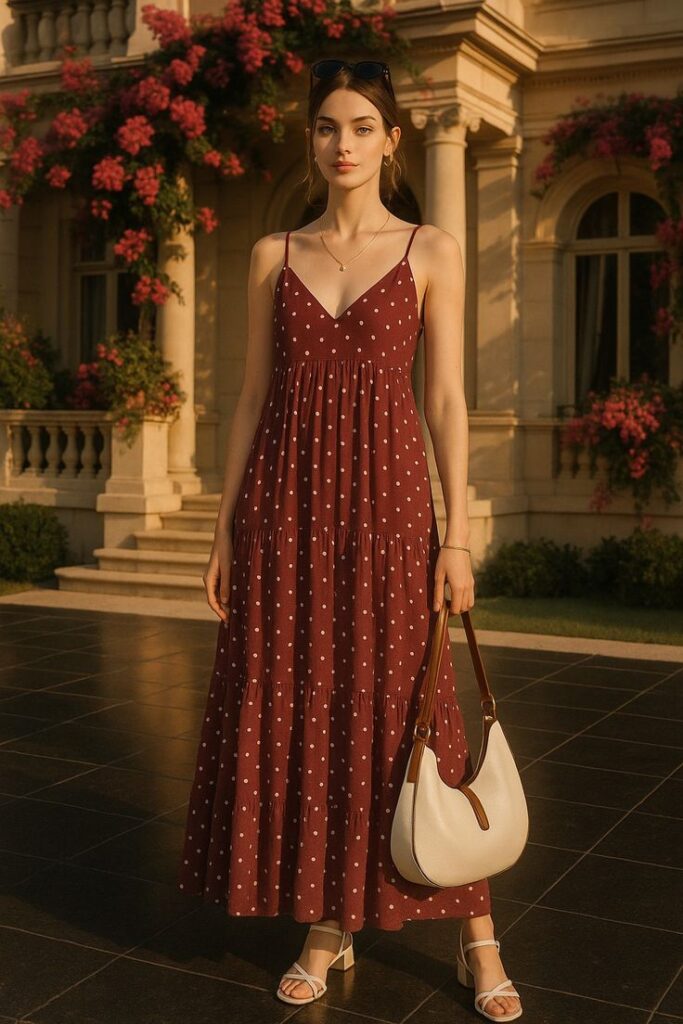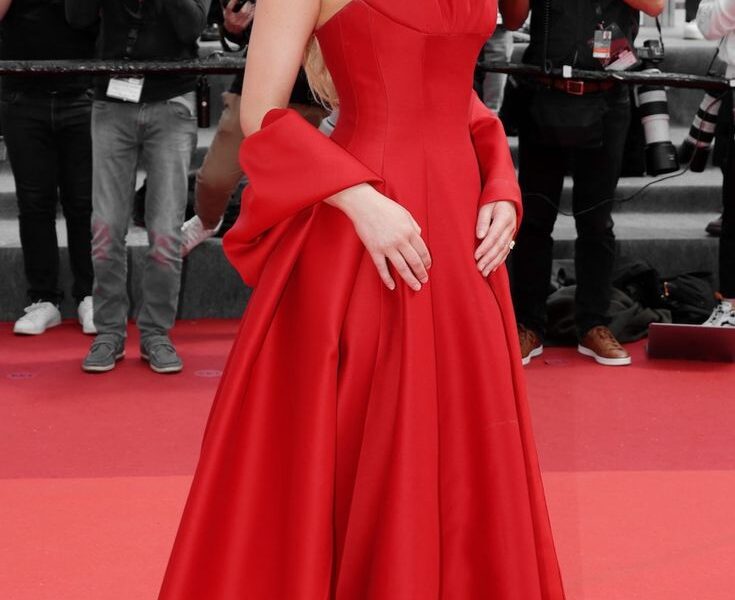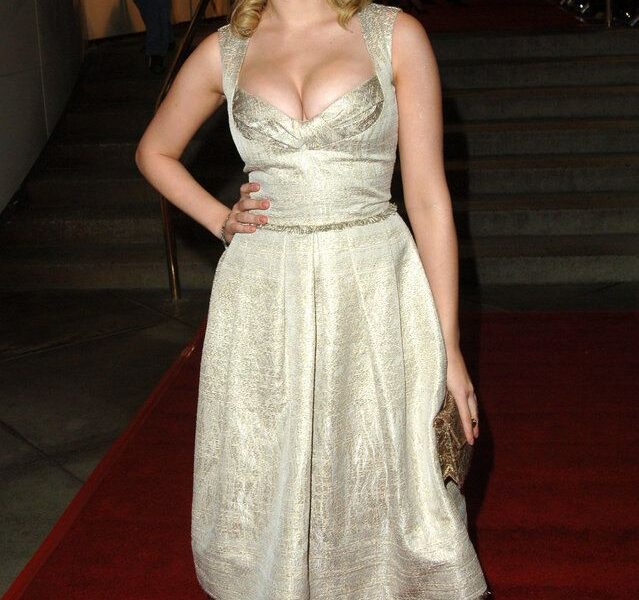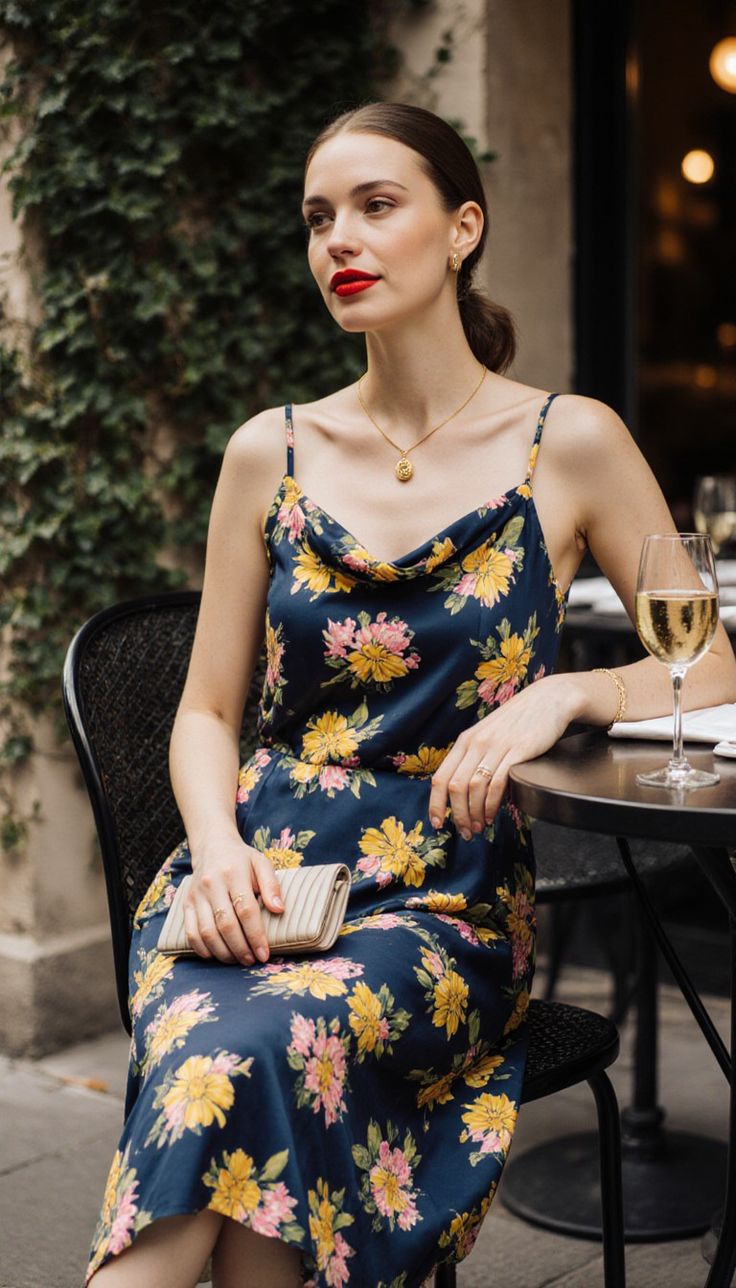
Choosing the best mini & midi dress styles for different bodies begins with understanding proportions, silhouette, and how dress length transforms overall balance. Every woman has unique curves, angles, and natural features that deserve to be highlighted rather than hidden. Mini and midi dresses, while both highly versatile, produce very different visual effects depending on where the hemline ends. A mini dress typically lengthens the legs, reduces visual weight around the hips, and creates a youthful, playful appearance. In contrast, a midi dress, which usually ends between mid-calf and just below the knee, offers elegance, elongation, and sophisticated balance.
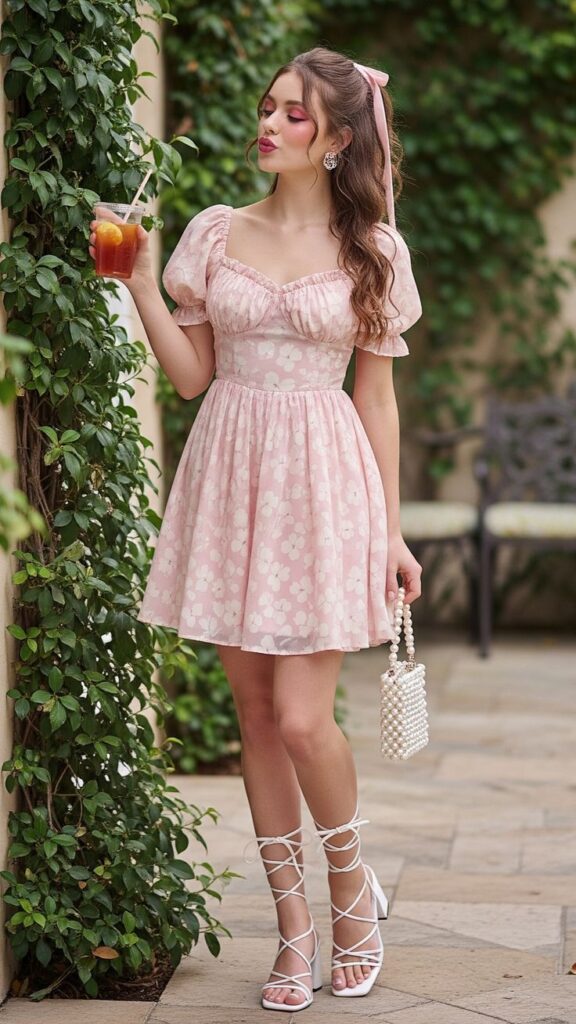
Body shape plays a significant role in how these two lengths appear. Hourglass shapes may find that both lengths accentuate natural symmetry, while pear shapes may benefit from minis that draw attention upward or midis that slim the lower frame. Apple shapes often prefer mini dresses that lengthen the legs or midi styles with structured waists to define the midsection. Rectangle shapes look amazing in both lengths when the dress creates the illusion of curves. Inverted triangle shapes typically benefit from A-line skirts that soften broader shoulders.
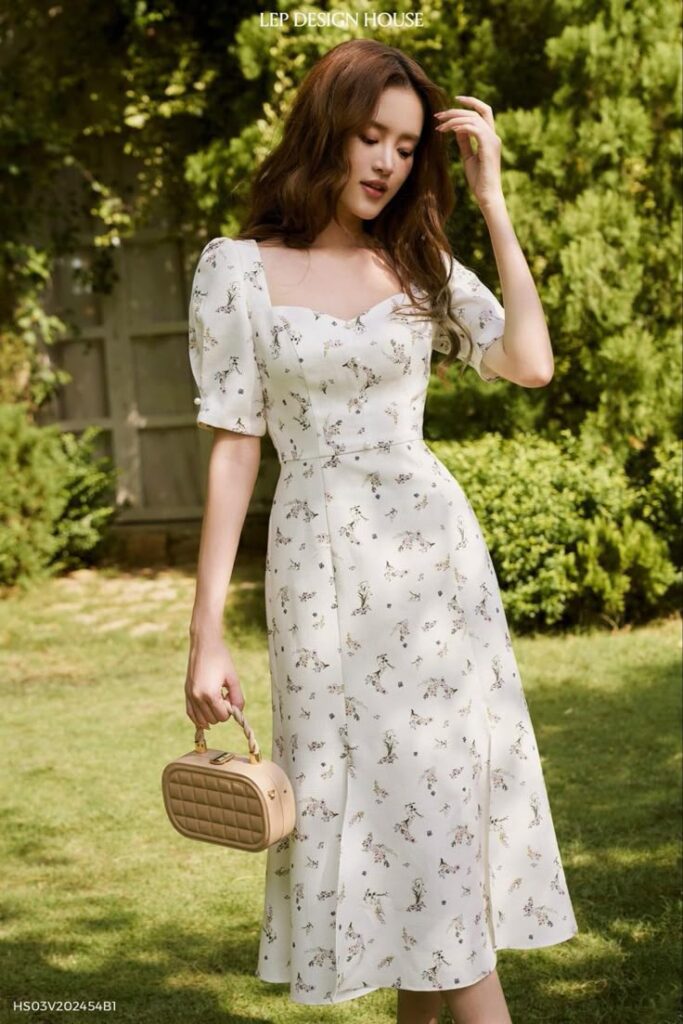
Understanding body shape is not about restriction but about empowerment. When you know your proportions, you can select mini or midi dresses that help you feel confident, comfortable, and beautifully aligned with your style. Whether you love bold prints, soft fabrics, or classic neutrals, the key is choosing the hemline and silhouette that work harmoniously with your natural structure. This article provides a deep, structured guide to help you confidently pick the best mini & midi dress styles for different bodies, maximizing your comfort, elegance, and personal fashion identity.
What Defines Mini & Midi Dresses
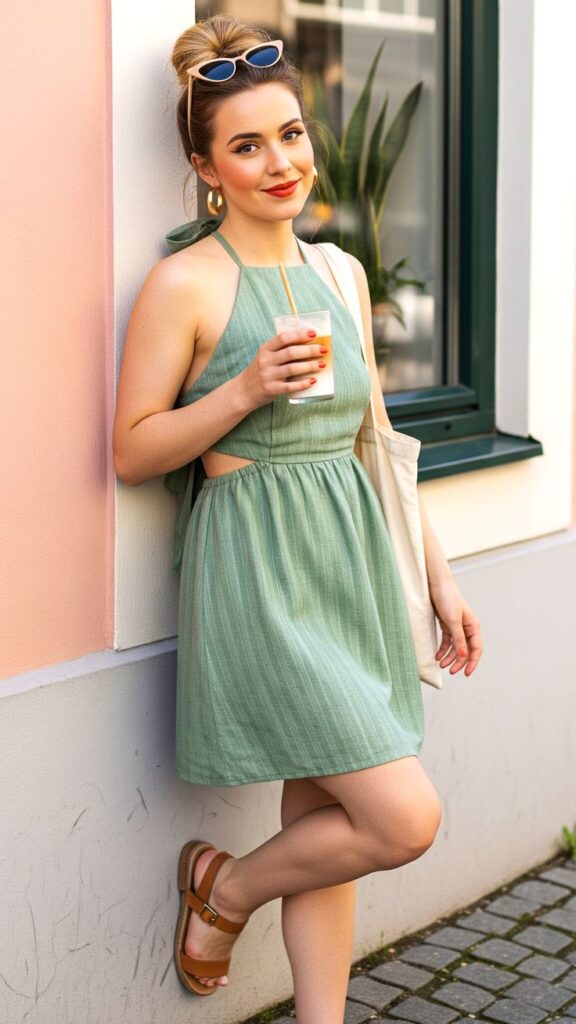
Mini and midi dresses are often confused, but each has a distinctive length and style purpose. A mini dress typically ends anywhere from mid-thigh to just above the knee. It creates an elongated leg line, making it ideal for individuals who want to highlight their legs or add a sense of height. Minis are commonly associated with fun, youthful, and casual looks, although they can be dressed up with structured fabrics and elegant silhouettes.
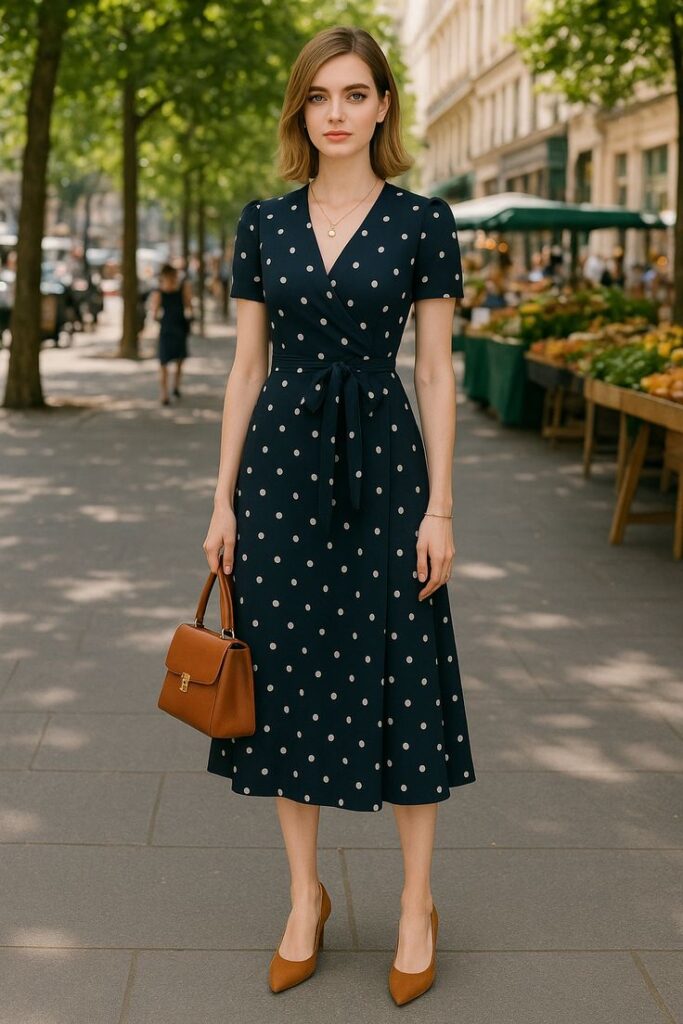
A midi dress, on the other hand, falls between the knee and the lower calf. Because of this mid-length placement, it creates an elegant, elongated silhouette that is considered universally flattering when chosen correctly. Midi dresses are popular for formal events, work settings, and stylish casual outings because they offer both modesty and sophistication.
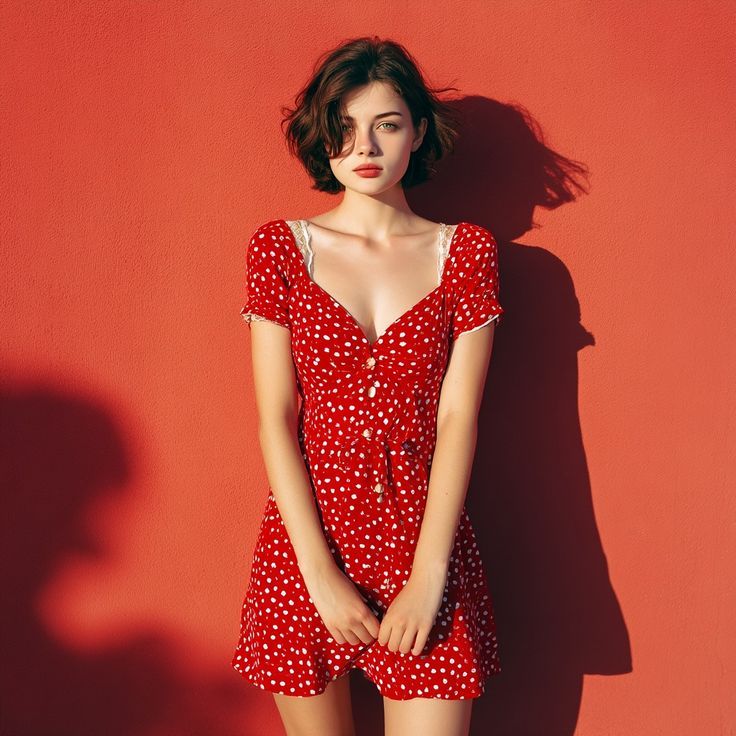
The hemline is the biggest differentiating factor, but style also matters. Mini dresses often use A-line cuts, bodycon shapes, wrap fronts, and shift silhouettes. Midi dresses frequently incorporate pencil shapes, pleats, wraps, bias cuts, and flowy skirts. When choosing the best mini & midi dress styles for different bodies, hem length influences how your legs, waist, and torso appear. Minis draw attention upward and visually lengthen. Midis can define the waist and elongate the entire frame when they fall at the right point on the calf.
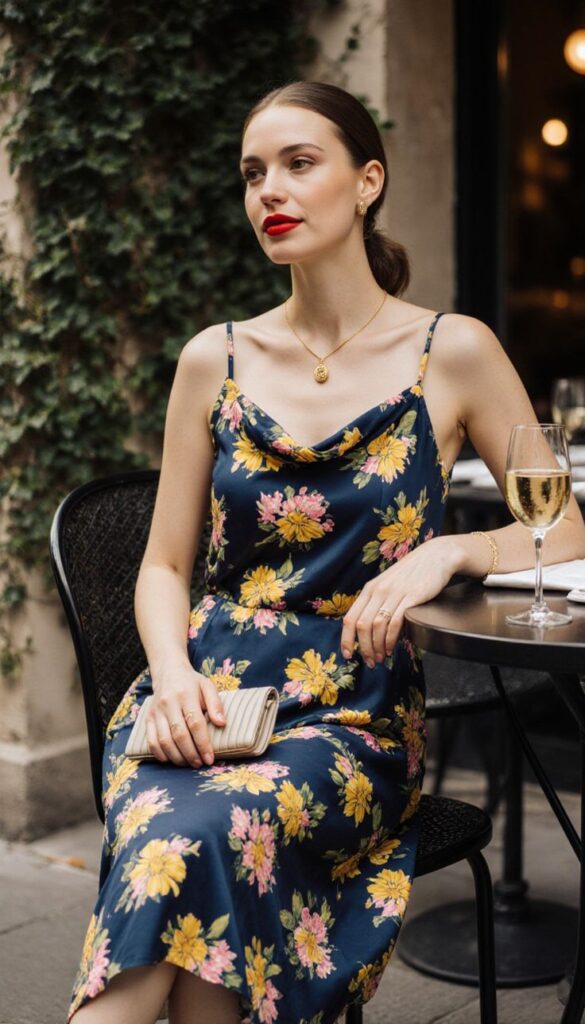
Understanding these definitions helps you select dresses intentionally rather than randomly. This knowledge also ensures that you know how hemline choices influence your complete silhouette. Whether you’re dressing for an event, casual outing, or a professional setting, knowing the differences between mini and midi dresses is the first step toward picking the perfect style for your body shape and aesthetic goals.
How Proportions Influence Visual Balance
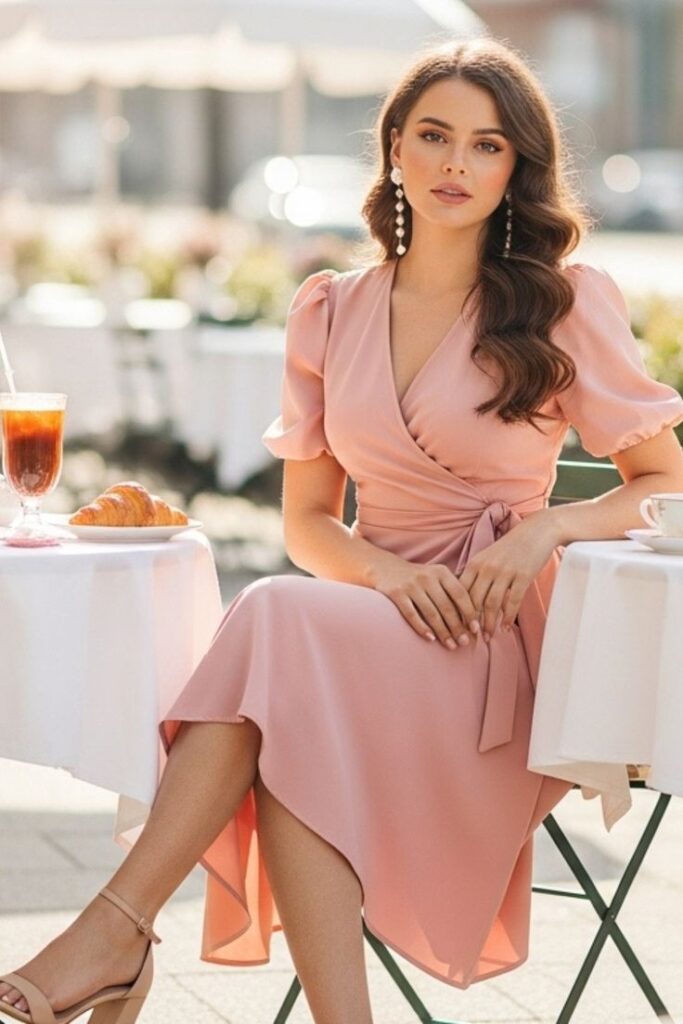
Proportion is the key to choosing the best mini & midi dress styles for different bodies. Every individual has a unique ratio of torso to legs, shoulder width to hip width, and curvature distribution. When a dress length aligns with these proportions, it enhances natural symmetry. When it doesn’t, the body can look visually unbalanced or shorter than it is.
Mini dresses shorten the overall body line but lengthen the legs. This works perfectly for people with longer torsos, petite frames who want added height, or women who enjoy showing off their legs. However, if the mini dress is too short or poorly fitted, it may disrupt balance by drawing attention exclusively downward.

Midi dresses can be incredibly flattering, but placement matters. A midi that hits the widest part of the calf can make the legs appear shorter. One that ends just below the knee or slightly above the ankle generally elongates the body beautifully. Body shapes with curves at the hips—like pear and hourglass—often find midis very flattering because they follow natural lines and enhance waist definition.
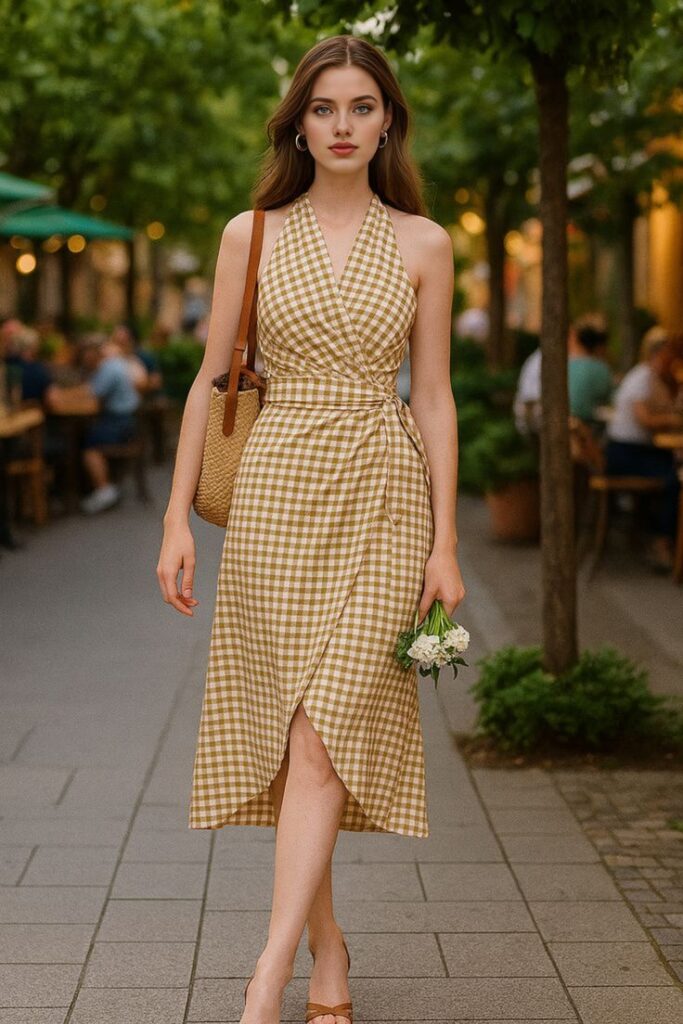
Understanding proportions also helps in selecting necklines and waistlines. A higher waist on a dress, for example, can lengthen the lower body, while a dropped waist elongates the torso. Proportions influence which hemline yields the most harmonious appearance. When you learn how your unique proportions work with mini and midi lengths, choosing the perfect dress shape becomes effortless and empowering.