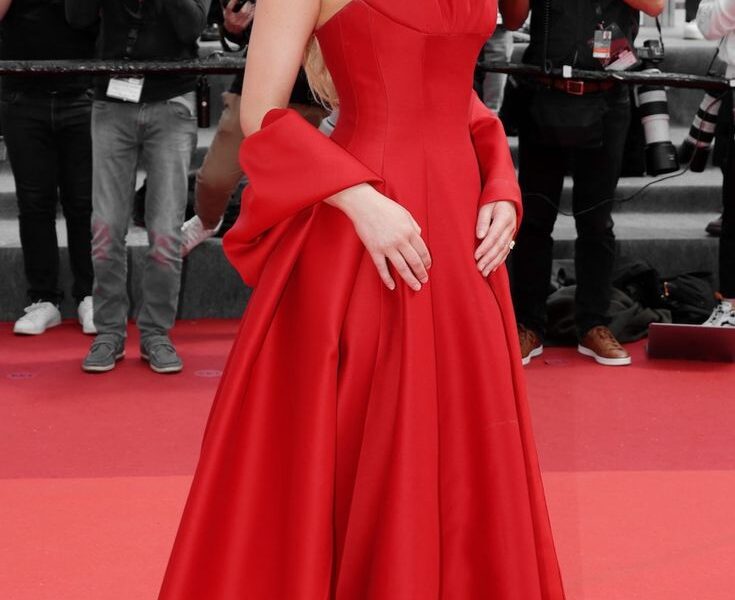
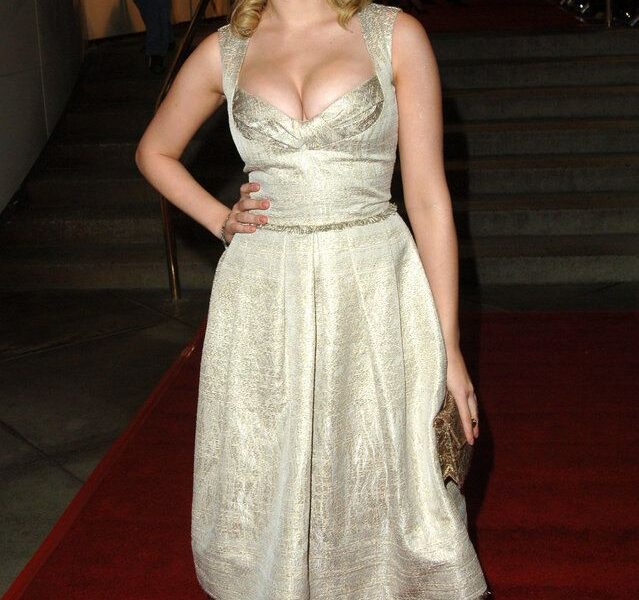
Styling fashion outfits goes beyond simply wearing clothes—it is an art that combines creativity, self-expression, and balance. While the right garments form the base of any outfit, styling transforms them into a complete look that feels cohesive, confident, and personal. This process involves combining accessories, experimenting with colors and fabrics, and ensuring comfort without compromising elegance.
The beauty of styling lies in its versatility. A single outfit can be styled in multiple ways depending on how it is accessorized, layered, or paired with other items. For instance, a plain white shirt can look casual with jeans and sneakers, or professional when combined with tailored trousers and a blazer. Small adjustments in accessories, footwear, or layering can dramatically change the outfit’s overall impression.
Modern fashion trends encourage individuals to express their personality through styling choices. Some prefer minimalist looks with clean lines and subtle touches, while others experiment with bold colors, prints, and accessories. Regardless of approach, styling helps highlight individuality while adapting to the occasion.
Another important aspect of styling is balance. Successful fashion styling finds harmony between aesthetics and functionality, ensuring that the wearer feels confident, comfortable, and authentic. From choosing the right fabrics for weather conditions to coordinating shades that complement skin tone, styling requires attention to detail.
Social media and fashion influencers have played a key role in shaping how people style their outfits today. Inspiration from global trends is now at everyone’s fingertips, encouraging experimentation and personalization.
In conclusion, styling fashion outfits is about curating looks that reflect personality, occasion, and comfort. It empowers individuals to transform simple garments into powerful statements of identity, making styling an essential skill in today’s fashion landscape.
Accessorizing for the Perfect Look
Accessories are the finishing touch that can elevate any outfit from ordinary to extraordinary. They add personality, character, and detail, transforming simple clothing into a polished and stylish look. The power of accessorizing lies in its ability to change the mood and tone of an outfit without altering the main garments.
For women, accessories include jewelry such as earrings, necklaces, bracelets, or rings, along with handbags, scarves, and belts. For men, items like watches, cufflinks, ties, and leather belts play a similar role. Footwear also falls under accessories, as the right shoes can either dress up or tone down an outfit. For example, pairing sneakers with a dress creates a casual-chic vibe, while heels add elegance.
Seasonal accessories also enhance functionality. Sunglasses, hats, and lightweight scarves are perfect for summer, while gloves, wool hats, and layered scarves complement winter fashion. Handbags, backpacks, or clutches not only serve as functional items but also act as style statements.
The key to successful accessorizing is balance. Over-accessorizing can overwhelm an outfit, while under-accessorizing may make it appear incomplete. For minimalist looks, one or two subtle pieces are enough to enhance the outfit. For bolder styles, statement jewelry or vibrant handbags can become the centerpiece of the look.
Another growing trend in accessorizing is personalization. Customized jewelry, monogrammed bags, and unique footwear choices allow individuals to stand out while staying true to their personal style. Sustainability is also influencing accessory choices, with eco-friendly and handcrafted items gaining popularity.
In essence, accessories are powerful tools for expressing individuality and completing a fashion outfit. They give the wearer the ability to adapt the same outfit to multiple occasions simply by changing a few details, making accessorizing one of the most impactful styling techniques.
Color Coordination and Fabric Choices
Color coordination and fabric selection are two of the most critical aspects of styling fashion outfits. Together, they influence the outfit’s overall impression, mood, and suitability for different occasions. A well-coordinated color palette and the right fabric can make an outfit feel polished, while mismatched choices may disrupt its balance.
Colors communicate emotions and personality. For example, neutral tones such as black, white, beige, and navy convey sophistication and versatility. Bright colors like red, yellow, or pink express energy and playfulness, while pastels reflect softness and calm. Coordinating these colors requires an understanding of contrasts and harmonies. Pairing complementary colors—such as blue and orange—creates bold, eye-catching looks, while analogous combinations, like green and blue, produce a more subtle, cohesive effect.
Fabric choices are equally important. Breathable fabrics like cotton and linen are perfect for casual and summer outfits, while heavier materials like wool and velvet are ideal for winter wear or formal settings. Luxurious fabrics such as silk and satin bring elegance to eveningwear, while denim and jersey maintain comfort for daily looks. Layering fabrics of different textures—like pairing a leather jacket with a soft cotton dress—adds depth and interest to styling.
Seasonal changes also influence fabric and color selections. Light fabrics and bright hues dominate spring and summer, while darker shades and insulating fabrics are more suitable for autumn and winter. Sustainability is also shaping fabric choices, with organic cotton, bamboo textiles, and recycled fabrics becoming popular alternatives.
Ultimately, styling with colors and fabrics is about creating harmony between appearance and practicality. When chosen thoughtfully, they enhance the outfit’s appeal, reflect personality, and ensure comfort. Mastering this balance is key to achieving a stylish, well-coordinated look that stands out effortlessly.
Balancing Comfort and Style
One of the most important principles in styling fashion outfits is achieving a balance between comfort and style. While fashion is often associated with aesthetics, true style lies in creating looks that not only appear appealing but also feel comfortable for the wearer. An outfit that looks great but is restrictive or impractical quickly loses its charm.
Comfort starts with the choice of fabrics and fit. Soft, breathable materials like cotton, linen, and jersey allow ease of movement and temperature control. At the same time, tailoring and structure ensure the outfit maintains a polished appearance. For instance, a pair of well-fitted jeans provides both comfort and style, while overly tight or loose clothing can compromise both.
Footwear is another major factor. Stylish shoes should also support walking and movement. Modern fashion has embraced this idea with the rise of athleisure and sneaker culture, where comfort-driven designs have become fashion statements. Even in formal wear, cushioned soles and ergonomic designs are now more common.
Balancing comfort with style also involves adapting outfits to the occasion. A stylish blazer can be paired with comfortable trousers for a professional yet relaxed office look. Similarly, maxi dresses or smart-casual co-ords allow flexibility while still looking chic. The goal is to achieve a sense of confidence that comes from both looking good and feeling at ease.
Technology and sustainability are shaping this balance as well. Stretch fabrics, moisture-wicking materials, and smart textiles make comfort a priority without sacrificing design. Meanwhile, capsule wardrobes encourage versatile pieces that work across different settings.
In conclusion, balancing comfort and style ensures fashion remains wearable and authentic. It reflects the idea that true elegance comes from confidence, which is only possible when clothing feels as good as it looks. This balance is the essence of practical, modern styling.