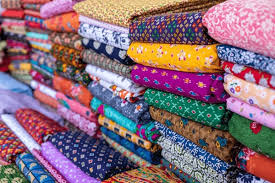
Introduction to Natural Fabrics in Fashion
Natural fabrics have been at the core of fashion for thousands of years, forming the foundation of clothing traditions across cultures and civilizations. Long before synthetic fibers like polyester or nylon were invented, natural fibers such as cotton, silk, wool, and linen defined the way people dressed, expressed their identity, and interacted with their environments. Today, even with the global rise of synthetic fabrics, natural materials continue to play an important role in shaping fashion trends, luxury markets, and sustainable design initiatives.
At their core, natural fabrics are derived from plant or animal sources. This makes them not only renewable but also biodegradable, giving them a level of sustainability that many synthetic alternatives cannot match. Cotton comes from the fluffy fibers of the cotton plant, silk is produced by silkworms, wool comes from the fleece of sheep or other animals, and linen is made from the stalks of the flax plant. Each of these fabrics has unique textures, properties, and cultural associations, which is why they remain staples in the global fashion industry.
The role of natural fabrics in fashion extends far beyond simple utility. They are symbols of status, cultural identity, and craftsmanship. Silk, for example, was historically associated with royalty and exclusivity in many parts of Asia and Europe. Wool has long been tied to warmth and durability, shaping the evolution of seasonal fashion. Cotton became a global commodity during colonial trade, shaping economies and fashion systems alike. Linen, with its crisp and breathable qualities, has always been synonymous with summer clothing and elegance.
In contemporary fashion, natural fabrics also represent a movement toward authenticity and sustainability. Consumers are increasingly concerned about the environmental impact of their choices, and natural fibers align with the growing demand for eco-friendly textiles. Designers, too, are rediscovering the artistry of working with these fabrics, blending traditional techniques with modern fashion sensibilities.
This article explores natural fabrics in depth, covering their history, properties, and importance in the modern fashion landscape. From cotton to linen, each section will examine how these materials contribute to the diversity, richness, and sustainability of fashion today.
What makes fabrics “natural”
Natural fabrics are defined by their origin: they are sourced directly from plants or animals, rather than being manufactured chemically in a laboratory. This category includes plant-based fabrics like cotton, linen, hemp, and jute, as well as animal-derived fabrics such as silk, wool, and cashmere. The process of transforming these raw materials into usable textiles has existed for thousands of years, often rooted in cultural traditions, regional craftsmanship, and technological innovation.
What distinguishes natural fabrics from synthetics is their organic composition. Since they are made from cellulose (in plants) or protein (in animals), these fabrics have inherent qualities like breathability, biodegradability, and comfort. For example, cotton allows air circulation, making it suitable for warm climates, while wool traps heat, ideal for cold weather. Unlike many synthetics, natural fibers usually do not irritate the skin and are often hypoallergenic.
Another defining characteristic is their biodegradability. Natural fabrics decompose more easily than synthetic ones, reducing long-term environmental impact. A cotton shirt, for instance, will eventually break down in soil, whereas a polyester one could take centuries to degrade. This makes natural fabrics more sustainable when responsibly farmed or raised.
However, not all natural fabrics are automatically eco-friendly. For example, traditional cotton farming can consume large amounts of water and pesticides, leading to environmental challenges. Similarly, silk production raises ethical concerns about the treatment of silkworms. This is why modern fashion brands emphasize not only the use of natural fabrics but also the importance of sourcing them responsibly, using organic farming, cruelty-free methods, or innovative recycling techniques.
From an aesthetic perspective, natural fabrics also stand out because of their textures and drapes. Unlike synthetic fabrics, which may appear uniform, natural fabrics often have subtle irregularities that give them character. This makes garments feel more “alive” and unique. For example, the crispness of linen or the sheen of silk cannot be perfectly replicated with synthetics.
Ultimately, what makes fabrics “natural” is both their biological origin and the emotional, cultural, and environmental value they carry. They connect fashion with nature, craftsmanship with culture, and modern consumers with traditions that stretch back millennia.
The role of natural fabrics in shaping clothing and style.
Natural fabrics have always influenced not only the functionality of clothing but also the aesthetic ideals of different societies. Fashion is, after all, a balance between form and function, and fabrics provide the medium through which designers experiment with drape, texture, and silhouette.
Take cotton as an example: its softness and versatility have made it the backbone of everyday fashion, from simple T-shirts to haute couture embroidery bases. Cotton absorbs dyes well, enabling vibrant colors and patterns that shaped cultural textiles across India, Africa, and the Americas. Linen, on the other hand, has long been favored in Mediterranean and tropical climates for its breathability, becoming synonymous with summer dresses, resort wear, and minimalist elegance.
Silk redefined fashion aesthetics by introducing a natural sheen and fluidity. In both Eastern and Western societies, silk was used for flowing gowns, ceremonial attire, and luxury accessories, creating a visual language of sophistication. Similarly, wool allowed designers to experiment with structured garments, from tailored coats to knitwear, influencing winter fashion worldwide.
In modern fashion, the role of natural fabrics is also tied to values of authenticity and identity. Consumers increasingly seek “slow fashion,” valuing garments made from materials that feel real, tactile, and enduring. Designers showcase natural fabrics to highlight craftsmanship, using handwoven cotton or raw silk as a statement against mass-produced synthetics.
Beyond aesthetics, natural fabrics define comfort and lifestyle. The breathable, insulating, or moisture-absorbing qualities of these fabrics determine how clothing interacts with the human body. This makes them indispensable not only for everyday wear but also for luxury and cultural fashion.
In essence, natural fabrics shape style by blending practical comfort with cultural meaning. They are the silent yet powerful force behind the timeless appeal of clothing.