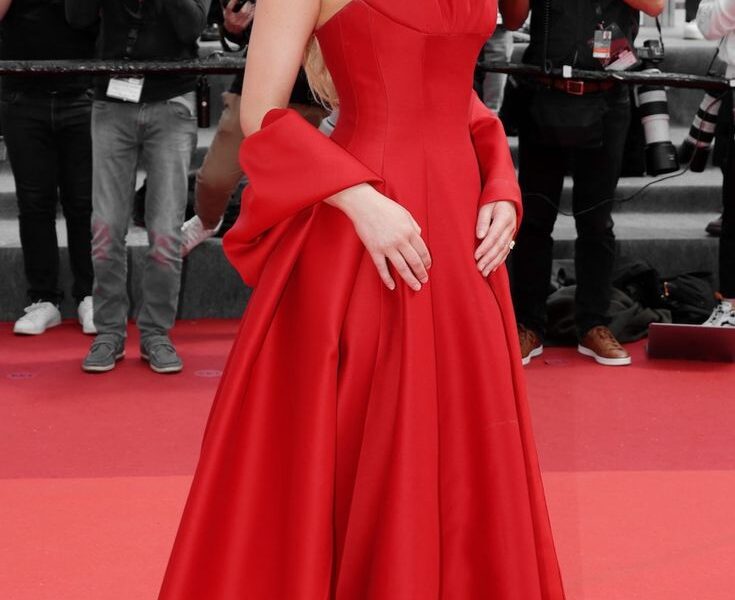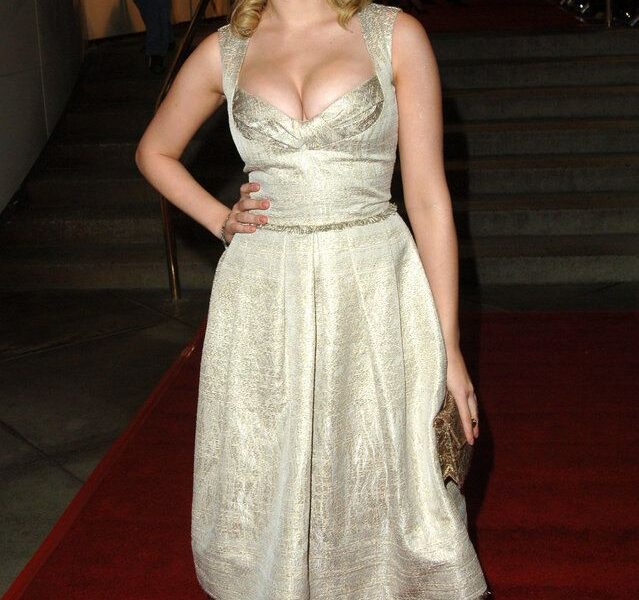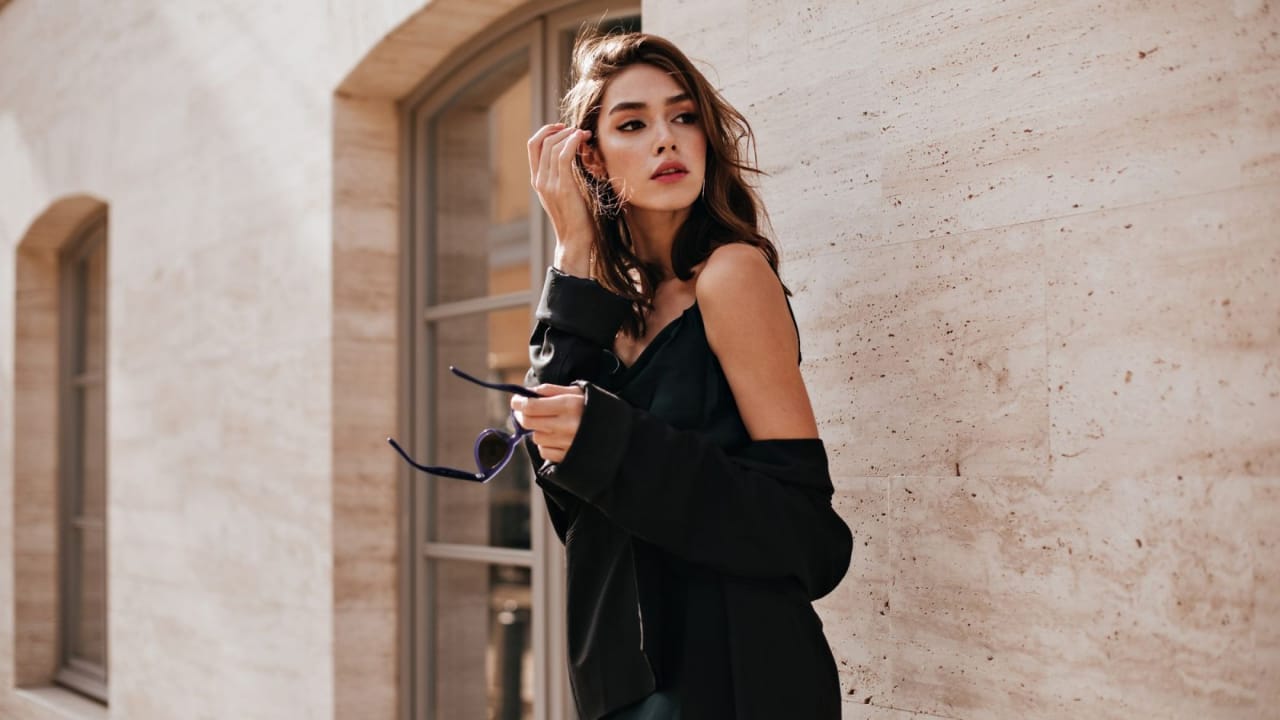
Fashion has always been more than just clothing—it is a reflection of social values, cultural identity, and personal expression. For women in particular, fashion has historically been tied to empowerment, individuality, and self-confidence. When we look at modern trends in women’s fashion, we see an industry that has evolved dramatically from rigid traditions to a fluid, diverse, and highly innovative space. Unlike in the past, where trends were dictated by a select few designers and magazines, today’s fashion landscape is shaped by a global community of creators, influencers, and consumers who all contribute to defining what is modern, stylish, and relevant.
At its core, modern women’s fashion is about choice and diversity. There is no single trend that dominates the industry anymore; instead, there are multiple overlapping styles that allow women to pick what resonates with their personality and lifestyle. From minimalist aesthetics and streetwear to luxurious haute couture and sustainable fashion, the variety is immense. Women are not confined to specific categories of dress but are encouraged to mix, match, and experiment in ways that were once considered unconventional. This inclusivity represents one of the defining features of modern fashion.
Another significant factor in shaping contemporary fashion is the globalization of style. Social media platforms like Instagram, TikTok, and Pinterest have made it possible for trends from one part of the world to quickly spread internationally. For example, Korean streetwear, Indian fusion wear, and European haute couture can all influence each other within weeks, thanks to the interconnectedness of online communities. This global fusion of styles has created an eclectic mix in women’s fashion, where cultural boundaries are blurred, and creativity knows no limits.
Equally important is the shift in attitudes toward beauty and body image. In the past, fashion often promoted narrow standards of femininity, typically favoring slim, tall, and fair-skinned models. However, modern trends have broken away from this restrictive ideal. Brands are now showcasing models of different body types, ethnicities, and ages. Movements promoting body positivity and inclusivity have reshaped the way women perceive clothing—not as a tool to conform, but as a means of celebrating individuality. Fashion is no longer about fitting into a mold; it is about standing out and being authentic.
Technology has also revolutionized modern women’s fashion in unprecedented ways. With the rise of e-commerce, virtual fashion shows, and AI-driven personalization, shopping experiences have become more accessible and customizable. Women can now try on outfits virtually, receive style suggestions through algorithms, and even purchase digital clothing for use in virtual worlds. This merging of fashion and technology signals a future where innovation continues to redefine how trends are created, shared, and consumed.
Another powerful aspect of modern trends is the growing demand for sustainability and ethical fashion. Today’s consumers, especially younger women, are far more conscious of the environmental and social impact of their clothing choices. Fast fashion brands have been criticized for their wasteful practices, leading to a rise in slow fashion movements, thrifting, and eco-friendly clothing lines. Modern fashion is not only about looking good but also about doing good—making responsible choices that align with values of sustainability, fair labor, and minimal waste.
Beyond the industry, women’s fashion today reflects broader social and political movements. Clothing is used as a form of protest, cultural pride, and empowerment. For example, women wearing suits in workplaces once dominated by men symbolize breaking gender barriers. Similarly, traditional garments reimagined in modern ways reflect the pride women take in their cultural roots. Fashion has become an arena where women assert their identities and challenge stereotypes.
It’s also worth noting the rise of comfort-driven fashion. The COVID-19 pandemic significantly shifted women’s fashion preferences toward practicality and ease. Loungewear, athleisure, and versatile clothing became dominant, showing how global events can rapidly redefine style trends. Even as the world transitions back to normalcy, comfort remains a central part of women’s wardrobes, blended seamlessly with elegance and sophistication.
The role of influencers and celebrities cannot be overlooked either. Figures like Rihanna, Zendaya, and Kim Kardashian have reshaped modern fashion by blending streetwear with luxury, promoting bold experimentation, and challenging traditional norms. These figures inspire millions of women worldwide, making fashion more accessible and aspirational at the same time. Unlike traditional fashion gatekeepers, today’s influencers have democratized style by sharing real-life looks, affordable brands, and styling tips directly with audiences.
Ultimately, modern trends in women’s fashion are about balance—between individuality and collectiveness, tradition and innovation, luxury and sustainability. They represent a world where women are not told how to dress but are instead given the tools and freedom to craft their own fashion narratives. In many ways, women’s fashion today is the most liberated it has ever been, embodying the spirit of self-expression, empowerment, and inclusivity.
As we move forward, it’s clear that fashion will continue to evolve, embracing even more technological innovation, environmental awareness, and cultural diversity. Yet one thing remains constant: fashion will always be a mirror of society, and for women, it will continue to serve as a powerful medium of expression, identity, and transformation.