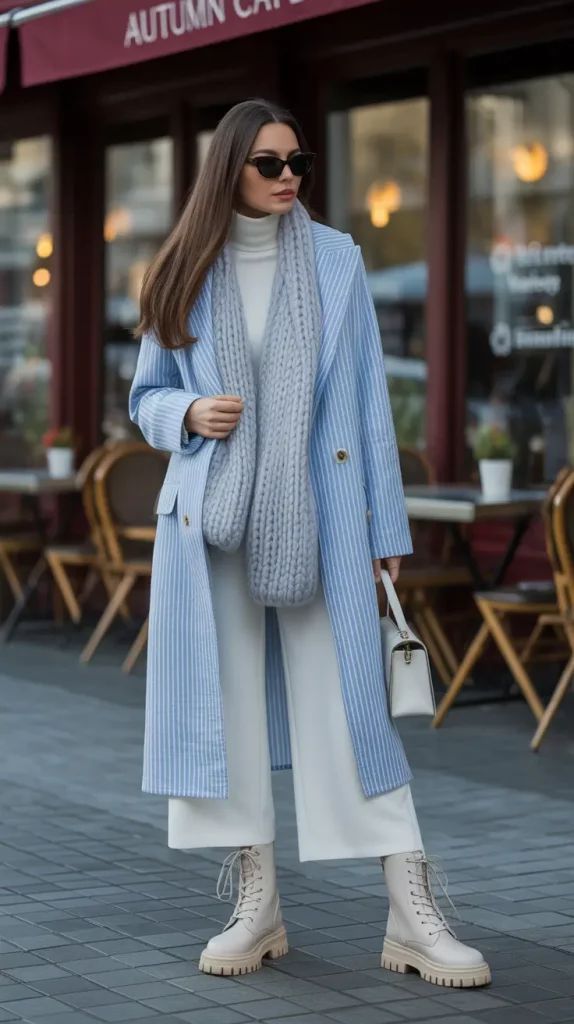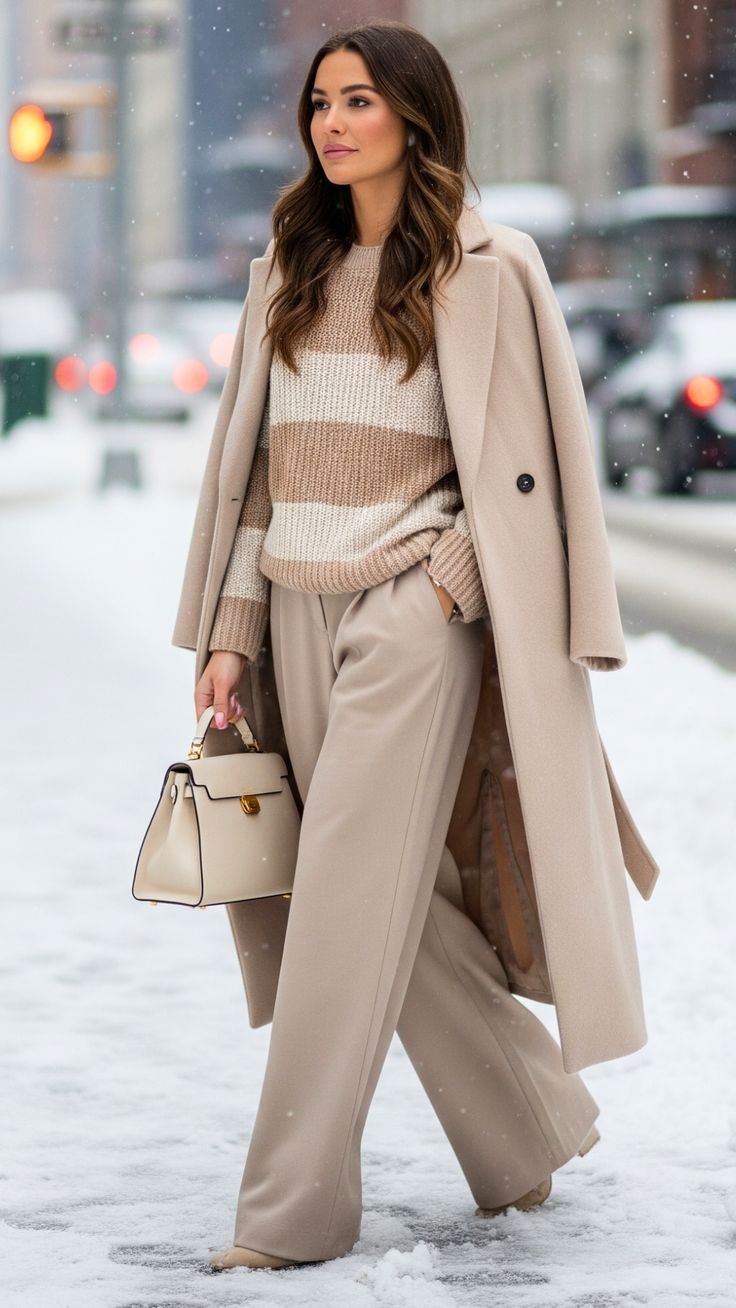
Winter fashion this year is defined by a blend of comfort, practicality, and expressive style. Designers are focusing heavily on outerwear, textures, and bold silhouettes that create fashionable statements while keeping wearers warm. Among the most noticeable trends is the renewed emphasis on oversized cuts—from padded jackets to longline wool coats—which provide not only warmth but a chic, modern aesthetic. These voluminous silhouettes are becoming fashion favorites because they give space for creative layering underneath without compromising style.
Knitwear has also taken center stage, especially chunky sweaters, ribbed cardigans, and half-zip pullovers. These pieces offer a perfect balance between snug comfort and elevated style. Another trend making waves is the revival of vintage winter pieces. Think retro ski jackets, fleece-lined denim, and classic cable-knit sweaters. Fashion enthusiasts are pairing timeless winter staples with contemporary accessories like oversized scarves, structured boots, and minimalistic beanies.
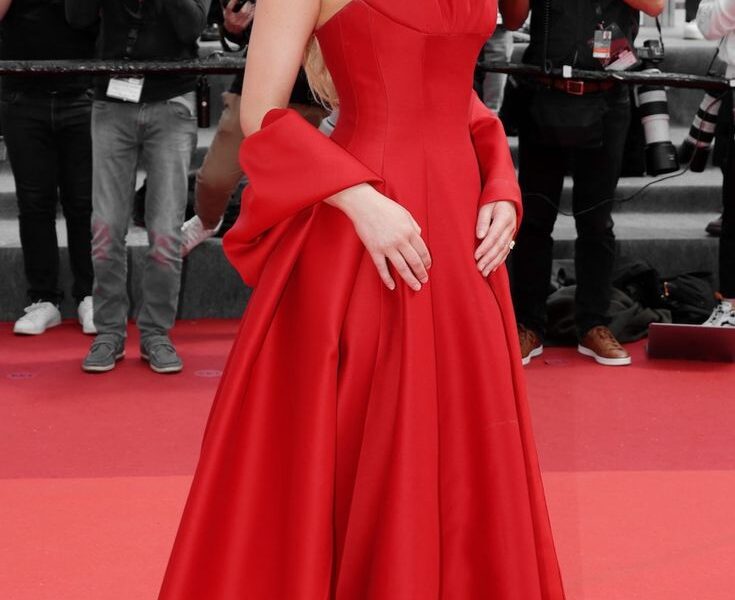
Winter colors this season lean toward muted neutrals and earthy tones, though pops of color—particularly deep reds, emeralds, and frost blues—are being incorporated for balance. Practicality is also at the core of this year’s winter fashion. Function-first design elements like thermal interiors, waterproof materials, and insulated linings ensure that winter looks are not just visually trendy but also weather-appropriate.
Sustainability has become a foundational part of winter trends. Eco-friendly fabrics such as recycled wool, organic cotton, and vegan leather are rising in popularity. Consumers are gravitating toward durable pieces designed to last multiple seasons. Overall, winter fashion this year is about merging comfort, protection, and creativity, offering endless styling opportunities.
Winter Wardrobe Essentials for Style & Function
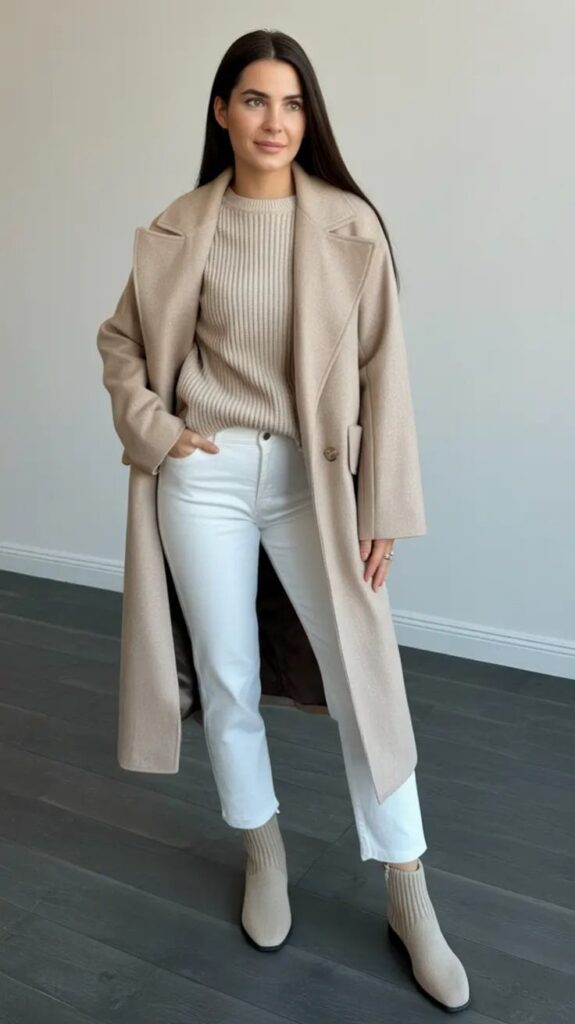
Building an effective winter wardrobe requires balancing style with functionality. The harshness of winter demands clothing that keeps you warm without compromising aesthetics. This season highlights the importance of essential pieces that can be mixed and matched, layered, and styled effortlessly for both casual and elevated looks. Outerwear stands as the foundation of winter dressing. A high-quality coat—whether wool, puffer, parka, or trench—is essential for braving the cold. These coats not only protect from the elements but also set the tone for your entire winter outfit.
Base layers are another must-have because they add warmth without bulk. Thermal tops, fleece-lined leggings, and soft cotton turtlenecks create a smooth foundation for further styling. On top of these layers, mid-layers like sweaters, cardigans, and vests play a key role in ensuring warmth and texture within the outfit. Winter accessories are not just aesthetic additions—they are functional necessities. Scarves, gloves, and beanies help retain body heat while enhancing the overall look.
Footwear completes the winter wardrobe, with insulated boots, combat boots, and weatherproof sneakers taking the lead. These shoes offer protection against cold temperatures and slippery surfaces while remaining stylish. Fabrics also matter—materials like wool, cashmere, down, faux fur, and flannel are essential for warmth and durability. A strong winter wardrobe isn’t about owning many items; it’s about having versatile essentials that allow countless outfit combinations.
In essence, winter wardrobe essentials focus on layering, protection, and aesthetic balance. Whether you prefer minimalistic styles or bold winter trends, having the right essentials ensures comfort and confidence throughout the season.
Color Palettes and Fabrics Trending This Winter
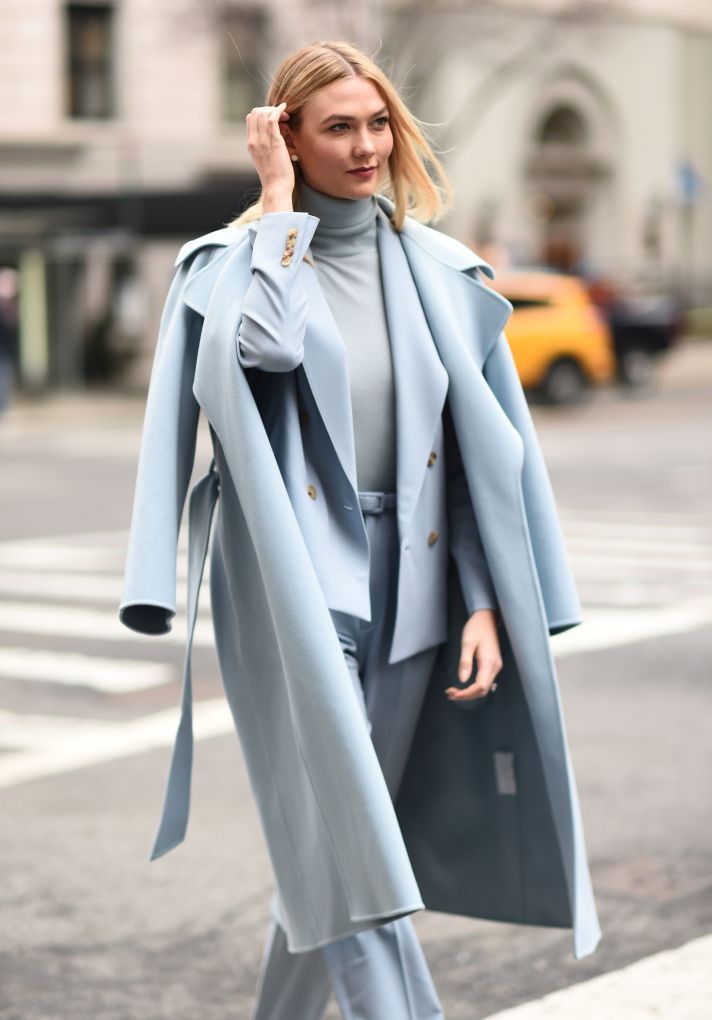
This winter’s fashion color palette is a beautiful blend of warm earth tones, classic neutrals, and rich jewel hues. Shades like caramel brown, olive green, beige, cream, and charcoal gray are dominating the season, creating a minimalistic yet luxurious aesthetic. These colors pair effortlessly with winter fabrics, allowing individuals to experiment with monochromatic outfits or contrasting tones.
Alongside neutrals, jewel tones such as emerald, deep burgundy, midnight blue, and plum are trending for those who want a splash of sophistication. These rich colors complement winter fabrics beautifully, especially wool, cashmere, velvet, leather, and faux fur. Designers are using texture-rich materials to elevate simple silhouettes, giving winter outfits a tactile, cozy feel.
Fabric selection is essential during winter not only for style but functionality. Wool continues to top the list because of its unmatched insulation properties. Cashmere remains popular for high-end winter looks because of its softness and lightweight warmth. Faux fur is also trending, offering both glamour and warmth in coats, hats, and trims. Vegan leather has gained significant popularity, reflecting the industry’s shift toward sustainability.
Heavy-knits, fleece, quilted fabrics, and sherpa materials are making strong appearances this season as well. They add comfort and depth to winter outfits, enabling layering without compromising warmth. Overall, the trending palettes and fabrics for this winter are versatile, sophisticated, and designed to enhance both style and practicality.
Oversized Outerwear as a Winter Staple
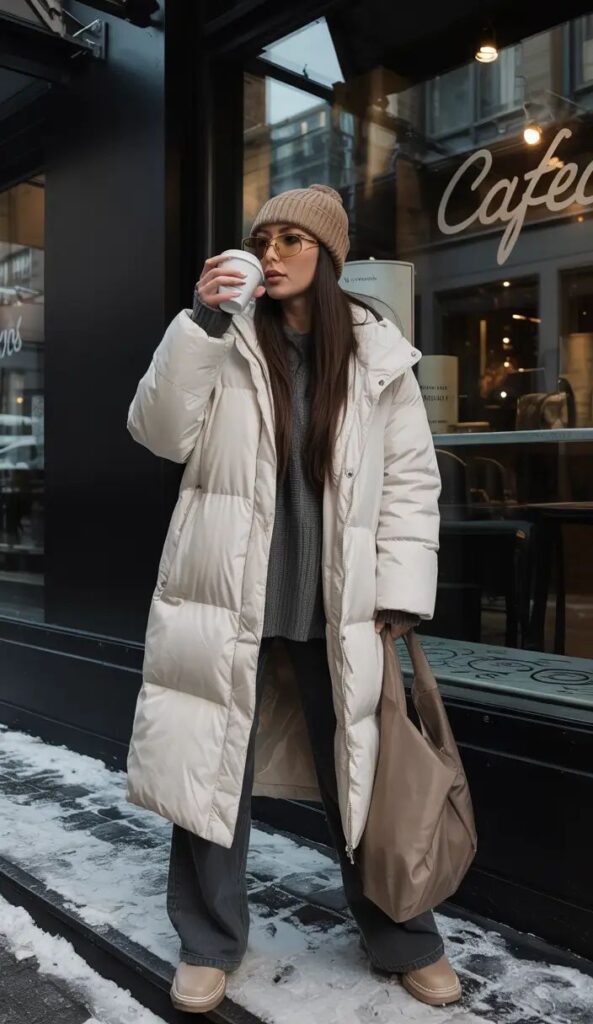
Oversized outerwear has become one of the most defining elements of modern winter fashion. This trend goes beyond style—it offers warmth, coverage, and room for layering. This year, oversized puffer jackets, longline coats, cocoon silhouettes, and padded parkas are dominating runways and streetwear alike. Their extra volume allows for insulation without restricting movement, making them practical for cold climates.
Fashion lovers appreciate oversized outerwear because it offers flexibility. You can wear chunky sweaters, hoodies, or even multiple layers underneath without feeling tight or uncomfortable. Designers are enhancing oversized coats with modern touches such as large lapels, belted waists, exaggerated sleeves, and quilted patterns to add personality.
Another advantage is versatility. Oversized coats pair well with almost everything—skinny jeans, wide-leg pants, dresses, and even tailored suits. The contrast between a structured look and a relaxed, voluminous coat creates a fashionable balance. This trend is also inclusive, working well for different body types and offering a sense of comfort and confidence.
Oversized outerwear is also aligned with the sustainability movement. Since winter coats are long-term pieces, investing in durable, timeless oversized options means they remain stylish for many seasons. Whether you choose neutrals like black, grey, and beige or bold colors like red or green, oversized outerwear effortlessly elevates winter outfits.
Cozy Knitwear Dominating Seasonal Style
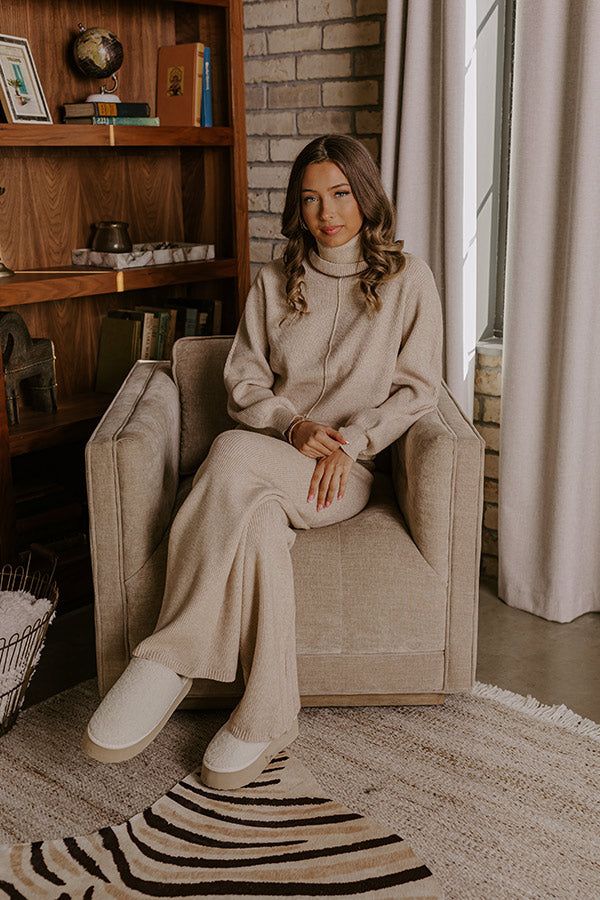
Knitwear is at the heart of winter fashion, and this year it is more stylish and diverse than ever. Chunky knits, ribbed sweaters, asymmetric cardigans, turtlenecks, and relaxed-fit pullovers are dominating winter wardrobes. What makes knitwear irresistible is the combination of warmth, softness, and timeless aesthetics.
Designers are experimenting with different textures and patterns such as cable-knit, waffle-knit, and fisherman-style weaves. These textures add depth to outfits, making them look visually appealing even when minimal accessories are used. Neutral knitwear—like cream, grey, beige, and soft brown—remains the most popular, but colorful winter knits such as pastel blues, deep burgundy, and forest green are trending as well.
Knitwear also offers endless styling versatility. You can pair oversized sweaters with leggings for a cozy casual look or tuck fitted knits into skirts for a chic winter outfit. Layering knit vests over shirts or turtlenecks has become a fashion favorite, adding both warmth and dimension.
Comfort plays a significant role in knitwear’s popularity. Natural fibers like wool and cashmere are soft and breathable, making them ideal for cold weather. Thick knits provide insulation, while lightweight knits are perfect for indoor warmth or layered styling. Overall, knitwear defines winter fashion with its comfort-driven elegance and timeless appeal.
Layering Techniques for Warmth and Style
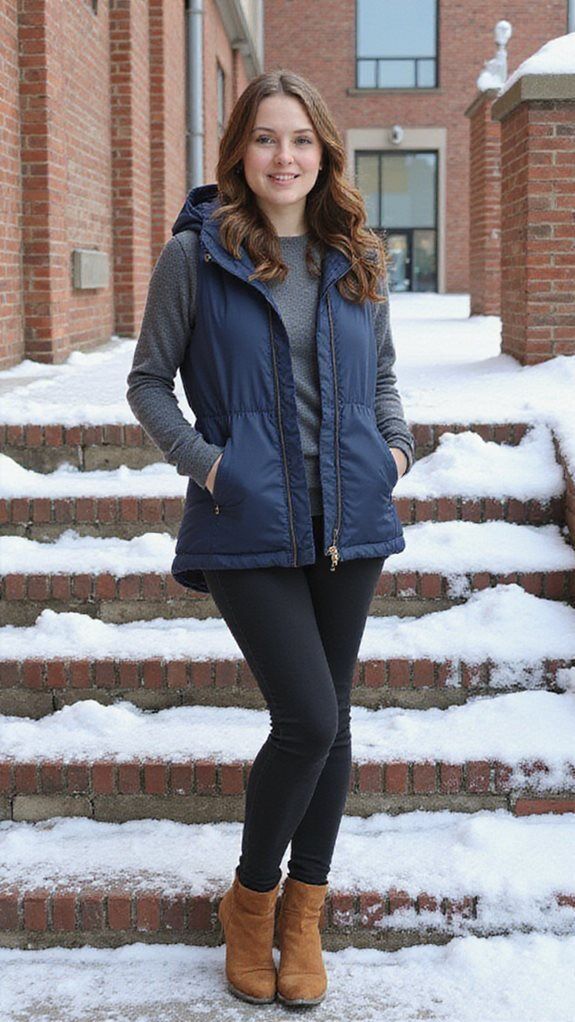
Layering is a winter essential that allows you to stay warm while creating stylish, multi-dimensional outfits. Effective layering begins with a moisture-wicking base layer. This includes thermal tops, silk undershirts, and lightweight turtlenecks that trap body heat without adding bulk. The second layer focuses on insulation—think sweaters, hoodies, fleece pullovers, or cardigans. These pieces build warmth while adding visual interest through textures and patterns.
The final layer is usually outerwear, which protects against wind, rain, and snow. Coats and jackets provide structure and style while completing the layered look. Key layering tricks include mixing lengths—such as pairing a long coat with a shorter sweater—or blending contrasting fabrics like wool and leather to elevate your outfit.
Accessories also play a vital role in layering. Scarves, hats, and gloves not only keep you warm but enhance your outfit’s overall style. Color coordination is important too: stick to complementary tones or neutral palettes for a polished appearance. Layering also allows you to adapt throughout the day—remove mid-layers indoors and bundle up when outdoors.
Overall, layering is a functional technique that enhances comfort and offers endless style possibilities in winter fashion.
Winter Footwear Essentials for Comfort and Trend
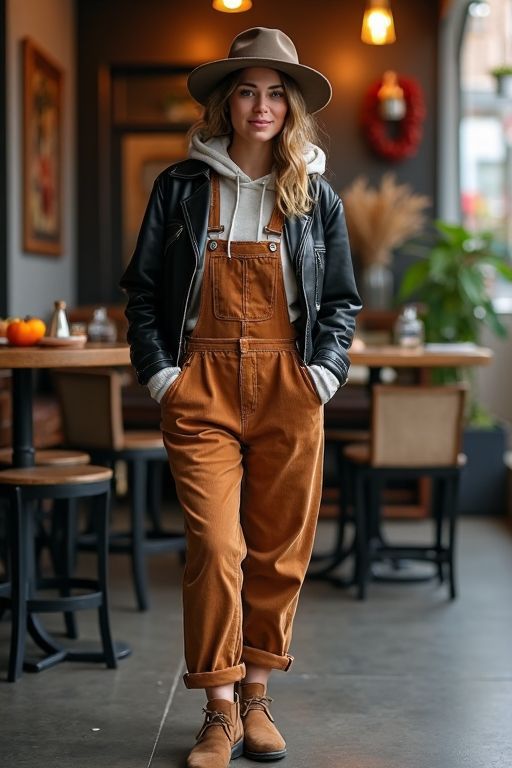
Winter footwear must balance warmth, durability, comfort, and fashion. This year, insulated boots, chunky combat boots, faux-fur-lined ankle boots, and waterproof sneakers are leading the trend. These options offer protection against cold temperatures and slippery surfaces while still complementing winter outfits.
Insulated boots with shearling or faux fur interior linings provide warmth during extreme cold. Chunky boots are especially popular for their bold look and versatile styling—they pair well with jeans, leggings, skirts, and oversized coats. Waterproof footwear is essential for snowy or rainy winters, ensuring feet stay dry and comfortable.
Sole traction is crucial for safety, making lug soles, rubber bottoms, and anti-slip designs top choices. Winter footwear also embraces aesthetic details: buckles, metallic trims, quilting, and wool accents add a stylish touch. Colors like black, beige, brown, and grey remain classics, but winter whites are trending for a clean, classy look.
Overall, winter footwear is about combining practicality with contemporary design to create comfortable yet fashionable winter outfits.
Earthy and Neutral Tones for Winter Looks
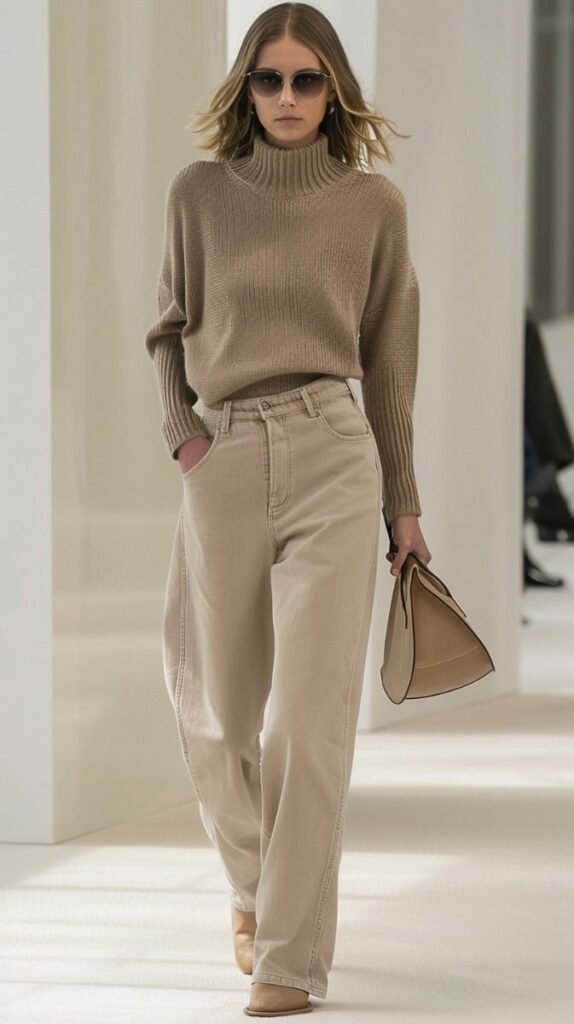
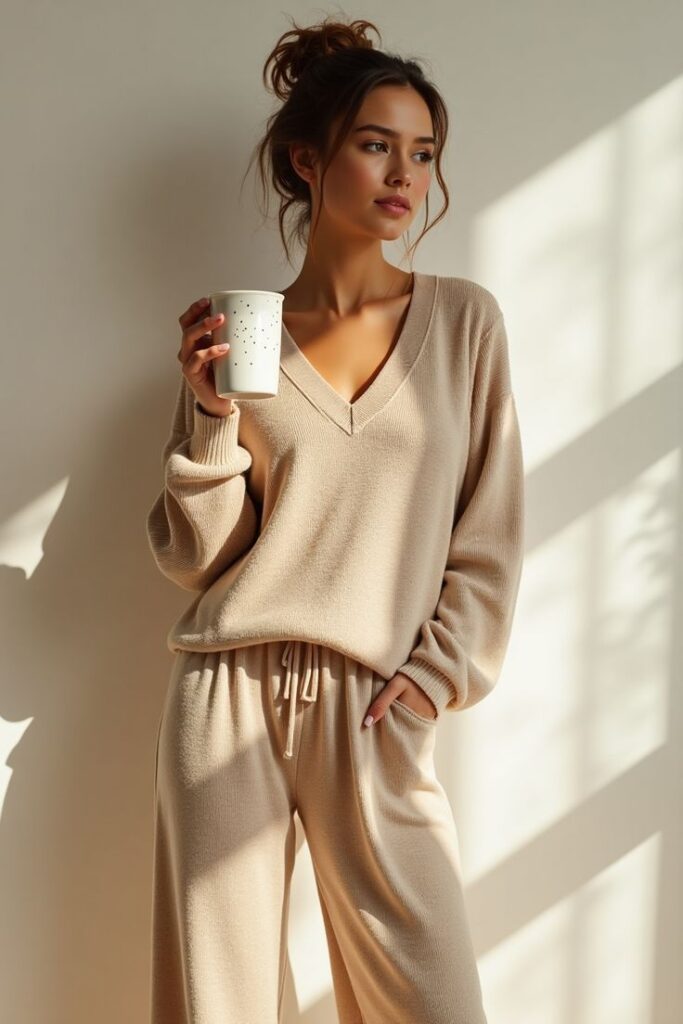
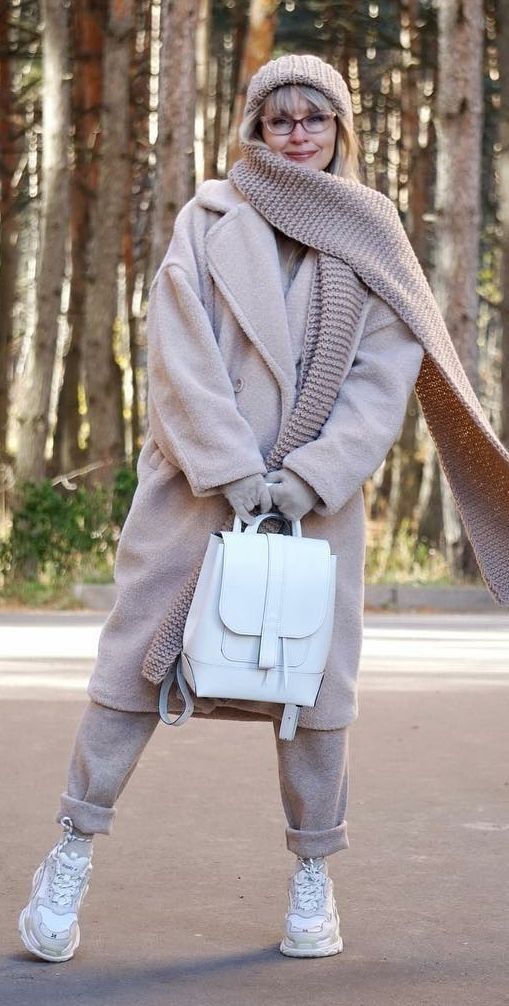
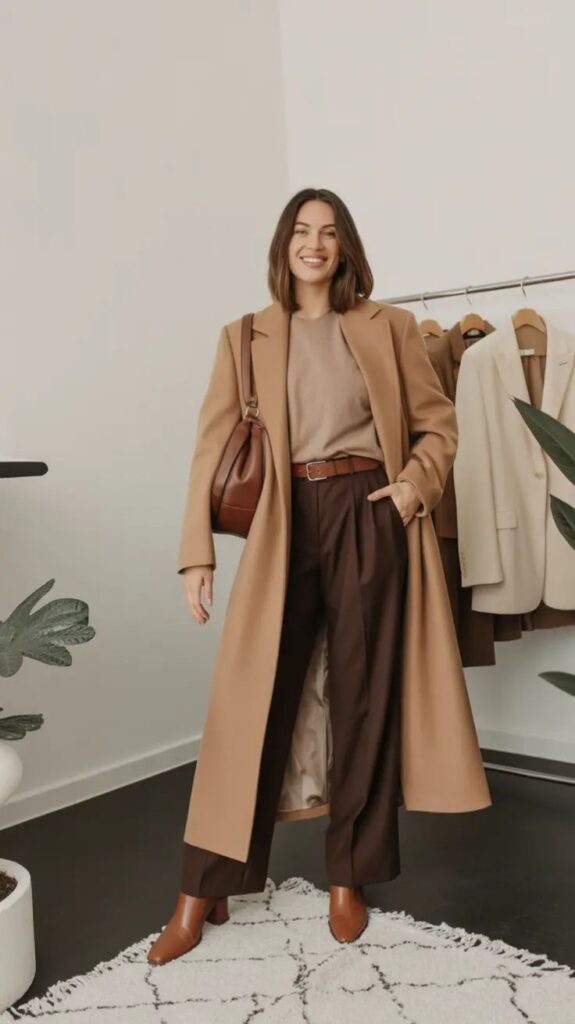
Earthy and neutral tones have become a core part of winter fashion because they bring warmth, softness, and versatility to outfits. Shades like camel, beige, chocolate brown, taupe, ivory, olive green, and charcoal grey dominate the season. These colors look sophisticated and pair well with winter fabrics like wool, suede, and knitwear.
Neutral tones allow effortless mixing and matching. Monochrome winter outfits—such as all-beige or all-brown looks—are popular for creating clean and elevated aesthetics. Earth tones also complement bold colors beautifully, making them perfect for layering and balancing winter outfits.
These colors suit winter weather well because they reflect the natural hues of the season, creating harmony between fashion and environment. Earthy tones also photograph beautifully, making them a favorite among influencers and content creators.
In short, earthy and neutral tones are timeless, elegant, and make winter styling easier and more cohesive.
Winter Fabrics Offering Both Warmth and Luxury

Winter fabrics are essential for staying warm while maintaining a fashionable appearance. Wool remains the most dominant winter fabric due to its insulation, durability, and natural breathability. Cashmere is another luxurious option known for its softness and lightweight warmth, making it ideal for premium sweaters and scarves.
Faux fur and sherpa fabrics bring glamour and coziness to winter outfits. They are commonly used in jackets, linings, and accessories, offering warmth and texture. Fleece is another functional fabric that provides excellent insulation without feeling heavy, making it great for activewear and casual layers.
Leather and vegan leather also trend each winter, offering structure and an edgy appeal. Quilted fabrics play a big role as well, especially in puffer jackets where insulation and design blend perfectly.
These fabrics not only serve practical needs but enhance the overall aesthetic of winter outfits, creating a perfect balance of comfort, durability, and style.