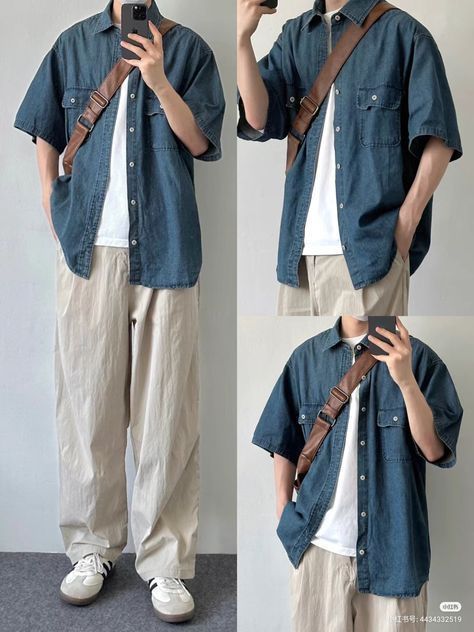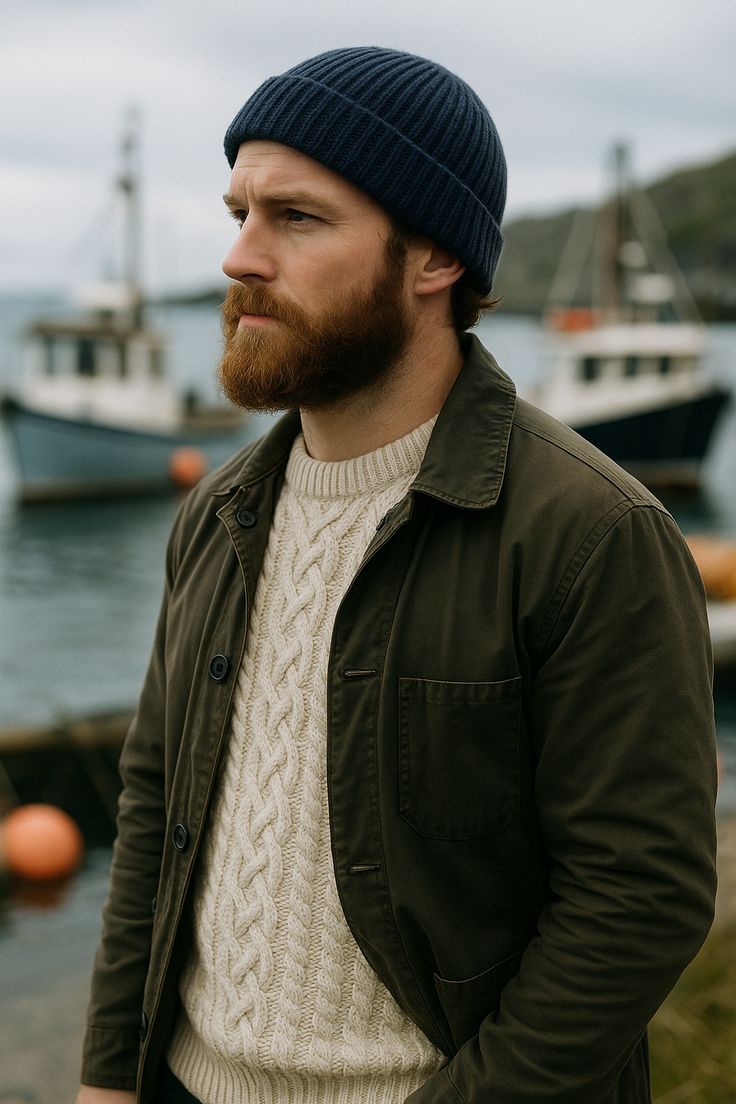
The fisherman aesthetic outfits trend blends coastal practicality with cozy, slightly rugged textures — think heavy knits, striped tees, durable outerwear, and tactile accessories. Over the past year this look has been amplified by runway reinterpretations of maritime and workwear signifiers, by Pinterest interest in coastal and “fisherman” aesthetics, and by lifestyle coverage that spotlights chunky knits and practical layers. These influences have pushed the fisherman aesthetic from a niche coastal subculture into a versatile, year-round style that’s equally at home on city streets and beachside promenades. Major fashion editors and trend reports have noted runway and social signals for nautical knits and utility silhouettes as part of the wider 2025 style conversation. British Vogue+1
To build a fisherman aesthetic outfit for everyday wear, start with a compact formula: base layer + signature knit + durable outerwear + practical footwear + textured accessories. The base layer can be a simple striped tee or heavyweight cotton shirt — the horizontal stripe is nearly synonymous with nautical style but the fisherman aesthetic favors muted palettes (e.g., cream, navy, olive, sand) and slightly relaxed fits rather than tight Breton silhouettes. The signature knit is the mood setter: chunky cable knits, fisher-style rib, or tightly woven rollnecks establish texture and warmth. Opt for natural fibres like wool or blended yarns that hold shape and patina over time; these materials age well and are central to the “lived-in” feel of the look.
Outerwear should read practical but elevated — think waxed cotton jackets, chore coats, and short pea coats. These pieces bring structure and protect from coastal weather while preserving the outfit’s utility vibe. Footwear rounds the outfit: sturdy leather boots (lace-ups, Chelsea, or engineer boots), thick-soled loafers, or rubber fishermen’ boots when practical. Accessories are high-impact and tactile: canvas or leather totes, beanies, knitted scarves, and brass or matte metal hardware on belts or buckles. The fisherman aesthetic favors visible seams, reinforced patches, and cuffs that look like they’ve been used — deliberate imperfection is part of the charm. Altogether, the formula balances form and function for an approachable everyday look.
Constructing everyday outfits using this formula also means paying attention to proportions and movement. A chunky knit over a slim base layer keeps bulk from overwhelming, while tapered chinos or relaxed straight jeans anchor the silhouette. For a slightly dressier iteration, swap the chore coat for a short tailored pea and the boots for polished leather derby shoes — the fisherman aesthetic’s textures still read loyal and practical but with a modern polish. The key is restraint: keep color stories cohesive and choose one focal texture per outfit (e.g., cable knit as star, waxed jacket as supporting).
Finally, adapt the fisherman aesthetic to your daily life: scale down the bulk for commute days with slimmer knit weights, or embrace heavier knits for weekends or coastal trips. The look thrives on layering, so practice layering with intention: base, mid, and outer layers that each contribute to warmth, texture, and silhouette. When done well, fisherman aesthetic outfits feel authentic, timeless, and approachable for everyday wear.
Essential Staples: Knits, Stripes, and Workwear
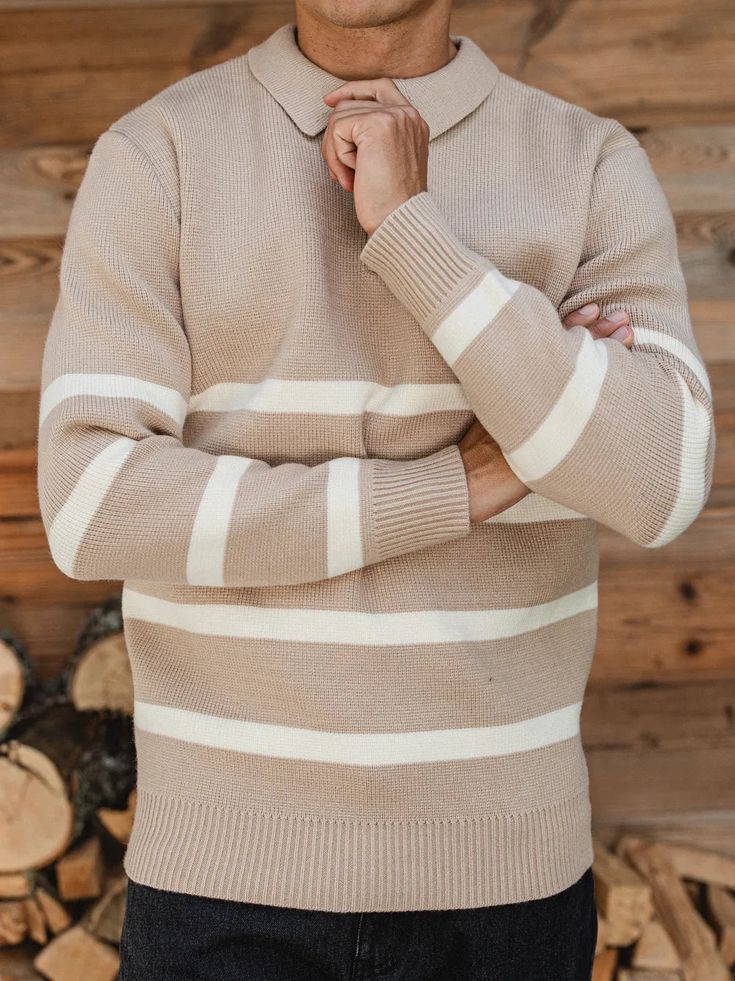
The fisherman aesthetic is anchored by a handful of staples that together create its immediately recognizable mood: knits (especially cable and chunky fisherman knits), Breton or muted striped shirts, and robust workwear pieces like chore coats and waxed jackets. Each staple has a specific role: knits provide texture and warmth, stripes supply subtle nautical signaling, and workwear pieces lend structure and durability. A focused capsule that revolves around these elements gives you maximum styling flexibility while staying true to the aesthetic.
Start with knits. Fisherman knits are typically heavy, with pronounced ribbing or cable patterns that add depth. Look for knits with slightly relaxed fits and natural fibers — 100% wool or wool blends are ideal because they trap heat, wear in attractively, and resist pilling when cared for properly. Choose neutral colors (ivory, oatmeal, navy, charcoal) and aim for one statement knit in your wardrobe — that sweater becomes the anchor for dozens of outfits. If you’re sensitive to wool, merino blends or heavyweight cotton knits mimic the look while being more comfortable against the skin.
Stripes are the aesthetic’s shorthand to nautically inspired styling but the fisherman aesthetic subdues the stripe. Instead of high-contrast navy/white Breton stripes, favor muted colorways and wider spacing. Thin, tonal stripes layered under a heavy knit add visual interest without feeling costume. Striped long-sleeves or heavyweight tees function as excellent base layers and work well for both warm and cool weather, depending on fabric weight.
Workwear pieces translate the aesthetic into practicality. Chore coats, field shirts, and waxed cotton jackets all point to labor provenance — materials engineered for durability and weather resistance. A well-fitting chore coat in tan, olive, or navy is a powerful multipurpose piece. The fisherman aesthetic embraces visible hardware: metal snaps, heavy zippers, and reinforced stitching. These aren’t just decorative; they signal utility and longevity. Jeans or relaxed-cut chinos with reinforced knees or heavier denim weight complement these tops, and tailoring should be loose enough for layering but not baggy.
Accessories complete the staples: ribbed beanies, leather-trimmed canvas bags, rope-inspired bracelets, and brass-buckle belts all add maritime or workwear cues. Choosing accessories in natural materials—leather, waxed canvas, cotton—keeps the ensemble texturally consistent. Together, knits, stripes, and workwear create a cohesive wardrobe that’s durable, tactile, and unmistakably fisherman aesthetic.
Seasonal Layering: From Rain to Summer
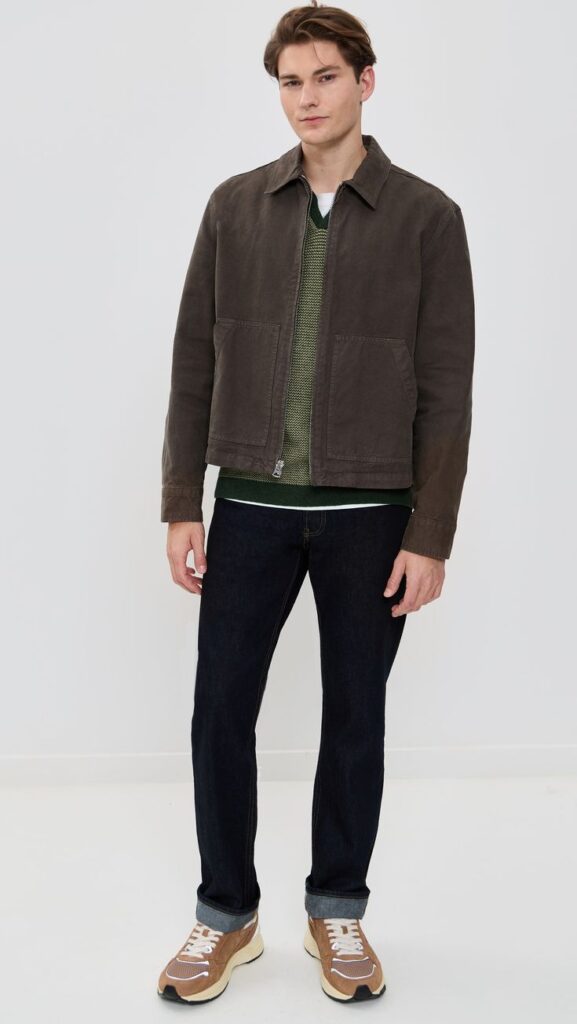
Seasonal adaptation is where the fisherman aesthetic truly shines: the same core pieces can be layered and swapped to suit rain, chill, wind, or warm sun. For wet and blustery days, prioritize waterproof or water-resistant outer layers. Waxed cotton jackets, short oilskin coats, and seamed rain anoraks provide protection and style. Underneath, a mid-weight knit or lined chore jacket gives insulation without bulk. Fully seam-taped rainwear isn’t necessary for the aesthetic; a classic waxed jacket with visible stitching reads authentic and pairs naturally with fisherman boots or sturdy rubber soles.
In colder months, layering should build from breathable baselayers to insulating mids and weatherproof outer shells. A merino or heavyweight cotton tee next to the skin, followed by a cable knit or fisherman pullover and then a chore coat or pea coat, creates warmth while preserving mobility. Choose insulating materials that don’t trap moisture; wool remains a top option for this reason. For trousers, heavier denim or wool trousers with a relaxed leg accommodate movement and layering. socks are a styling opportunity—argyle or thick ribbed socks peeking above boots emphasizes the outdoorsy, utilitarian vibe.
Transitional weather calls for lightweight versions of the staples: unlined chore coats, cotton-blend sweaters, and canvas overshirts. Swap heavy boots for leather work sneakers or espadrille hybrids on milder days. Breathability becomes important in warmer seasons—choose lighter yarns and open-weave knits that maintain texture without overheating. Striped tees and light cotton shirts become go-to base layers, with a single lightweight overshirt or vest to maintain a layered look without bulk.
For summer, interpret the fisherman aesthetic by focusing on coastal materials and proportion. Short-sleeve linen blends, lightweight cotton shorts with functional pockets, and canvas sandals or boat shoes echo the aesthetic without the heavy layers. Opt for sun-friendly neutrals—sand, off-white, soft blue—and incorporate small nautical details like rope-inspired bracelets or a woven belt. The summer fisherman aesthetic is less about warmth and more about texture and functionality: breathable fabrics, pockets for small essentials, and footwear that tolerates wet conditions while still reading stylish.
Across seasons, the layering principle is constant: start with comfort (breathable base), add texture (mid layer), and finish with protection (outer layer). Each layer should be chosen for both function and look, allowing fisherman aesthetic outfits to feel authentic whether you’re walking a rainy city street or a sunny harbor boardwalk.
Celebrity & Streetstyle Inspirations for Fisherman Aesthetic
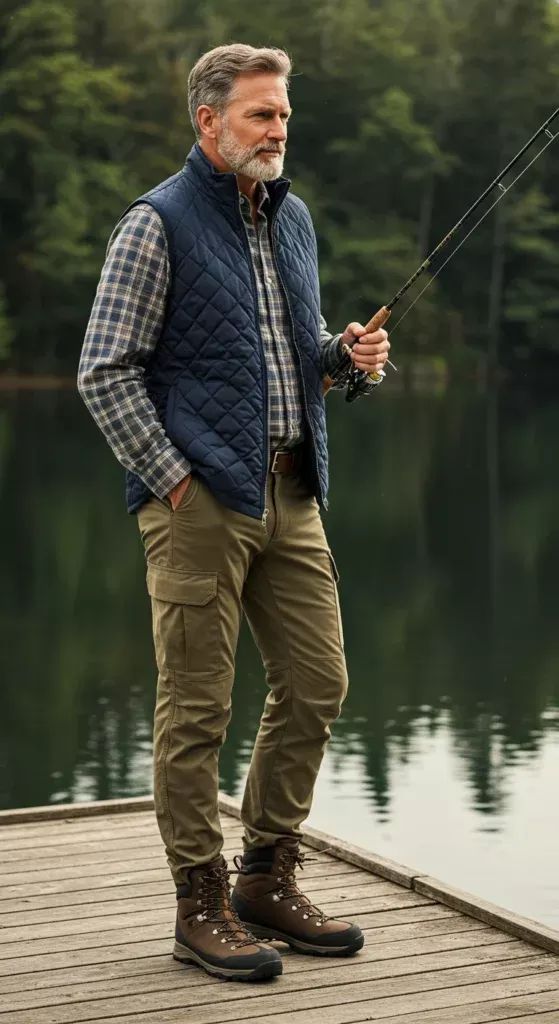
Celebrity stylists and street photographers have played a major role in translating the fisherman aesthetic into visible, aspirational outfits. Over the last seasons, celebrities and influencers have leaned into maritime textures and workwear references — cable knits paired with tailored trousers, waxed jackets over striped tees, and chunky boots balanced with softer silhouettes. This visibility normalizes the aesthetic for mainstream wardrobes and supplies concrete outfit formulas for followers to replicate. Trend reports and style roundups have highlighted how A-listers and editors remix utility pieces with luxury touches, which makes the fisherman aesthetic appealing across price points and occasions. Who What Wear+1
Celebrities often adapt the fisherman aesthetic by balancing rugged texture with refined tailoring. For instance, a heavy knit might be paired with a sharply tailored overcoat, or a chore jacket could be styled with pleated trousers and polished boots. This juxtaposition keeps the look aspirational while retaining its core authenticity. High-profile appearances on magazine covers and candid street style images emphasize materiality and silhouette over loud logos—sustainable, tactile materials and muted palettes dominate. When celebrity stylings trickle down, the most replicated elements are outerwear layering techniques (knit + chore + coat), textural pairings, and elevated footwear choices.
Streetstyle photographers capture more experimental takes: oversized fisherman knits worn with cutoff denim, utility trousers cinched with braided belts, or a nautical stripe under a statement leather jacket. These images are valuable because they show how the fisherman aesthetic works in real life—with movement, with imperfect layering, and with personal alterations. Streetstyle often introduces the “lived” element: patched elbows, frayed hems, and worn leather that signal authenticity and long-use. Those small, imperfect details differentiate a trend look from a costume.
Influencers with lifestyle or coastal content tend to add lifestyle cues—fishing-inspired accessories, canvas market bags, and practical headwear like fisherman’s caps—to make the aesthetic an entire lived aesthetic, not just an outfit. This broader context helps the look translate into interior decor, grooming, and travel—so the fisherman aesthetic becomes a holistic lifestyle proposition. Whether taking cues from polished celebrities or grounded streetstyle, the trend’s core—texture, utility, and muted coastal color—remains consistent and highly adaptable.
How Celebrities Adapt the Fisherman Look
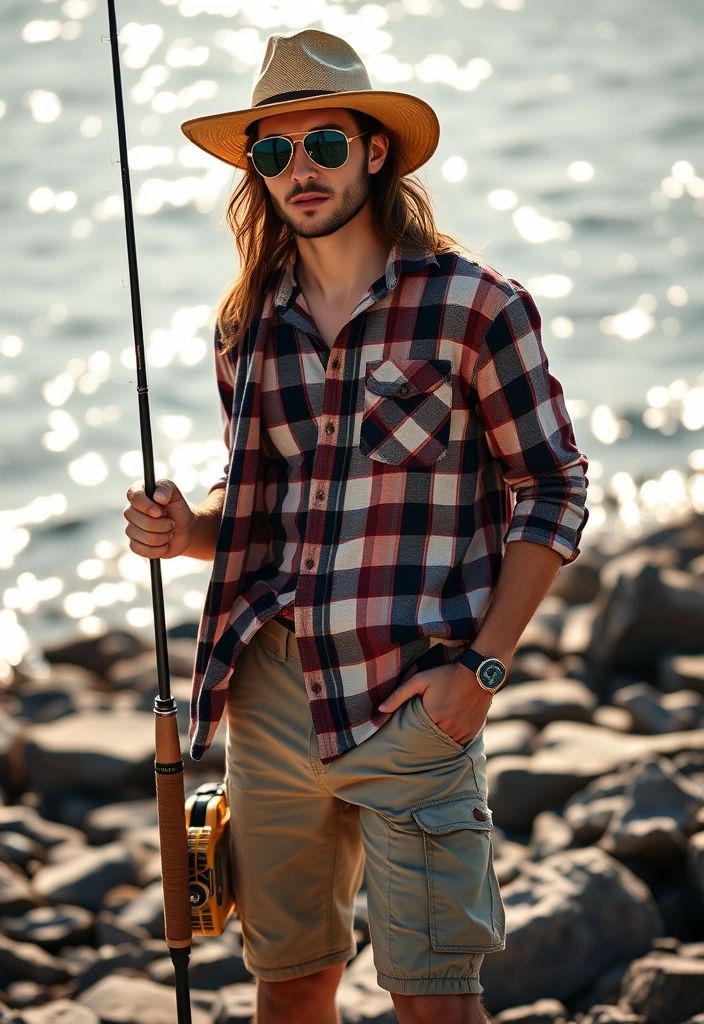
Celebrities adapt the fisherman look by blending textures, elevating classic pieces, and carefully calibrating proportions to camera-ready clarity. On the red carpet or in paparazzi shots, the fisherman aesthetic becomes more refined: a heavy cable knit might be swapped for a merino rollneck in the same color family, or a waxed chore coat is presented with tailored trousers instead of rugged denim. The aim is to preserve the rugged authenticity but present it through cleaner lines and higher-quality fabrics that read well in photographs. Stylists typically prioritize fabric weight and drape to avoid bulky silhouettes on camera and will sometimes opt for lighter versions of the staples while keeping the original aesthetic cues.
High-profile adaptations often include unexpected pairings: cable knits with light tailoring, fisherman beanies styled with leather trench coats, or waxed jackets accessorized with luxury handbags. These pairings demonstrate how the fisherman aesthetic can bridge casual and formal contexts. When celebrities wear the look, they often incorporate a single statement piece (e.g., an oversized knit or a vintage waxed coat) and let other items remain understated. Footwear in celebrity looks tends toward polished leather boots or hand-finished loafers, which elevate the outfit while staying in line with the aesthetic’s emphasis on longevity and utility.
Celebrities also push smaller details into the spotlight—textured socks, hardware on belts, and artisanal beanies—prompting higher consumer interest in niche accessories. These microtrends circulate quickly via social media and get amplified into shopable moments, encouraging consumers to seek similar pieces at various price points. Importantly, celebrity endorsements of the trend often emphasize sustainability and craftsmanship, as many public figures now prefer materials and brands that promote durability and provenance.
Finally, celebrity adaptations validate the fisherman aesthetic for city contexts. When public figures wear these pieces while attending urban events or traveling between cities, it signals that fisherman aesthetic outfits are not just coastal uniforms but a flexible, stylish approach to everyday dressing.
Streetstyle Hacks to Make It Modern
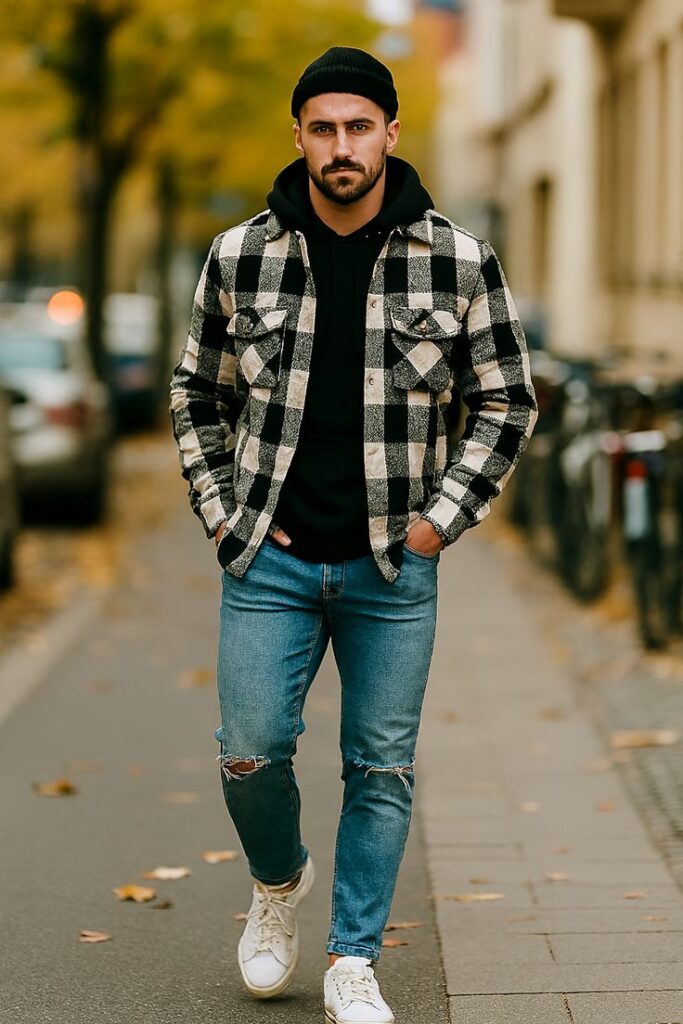
Streetstyle is where the fisherman aesthetic becomes personal. Modern hacks include mixing silhouette proportions—pairing boxy fisherman knits with tapered high-rise trousers or combining a cropped waxed jacket with wide-leg denim to maintain balance. Another hack is material contrast: a heavy knit with a glossy nylon anorak or waxed jacket adds depth and keeps the outfit visually interesting. Streetstyle also loves visible layering: cuffing sleeves, rolling up hems, and showing a striped base layer peeking beneath a knit creates an intentional, effortless look.
Colors and pattern play small but strategic roles in modernizing the aesthetic. While the core palette is muted, introducing a single accent—like a faded marigold scarf or olive-green cap—can add contemporary freshness without overwhelming the fisherman mood. Mixing textures provides the same effect: pair rougher wool with soft cottons or smooth leather to keep the outfit dynamic. Streetstyle also appropriates workwear details as design features—exposed seams, oversized pockets, and functional straps become deliberate stylistic choices rather than purely functional elements.
Accessories are a significant area for modernization: swap a basic beanie for a fisherman’s cap in tweed, or choose a sculptural leather tote instead of a canvas market bag to make the outfit feel edited. Footwear trends in streetstyle often push boundaries—chunky lug boots and platform soles nod to modern fashion while remaining functional. Finally, personalization—patches, mending, and visible repairs—embraces the contemporary “slow fashion” ethos and makes each fisherman aesthetic outfit unique. These hacks transform the look from a nostalgic coastal reference into a contemporary, street-ready statement.
Styling & Shopping Guide: Where to Buy and How to Customize
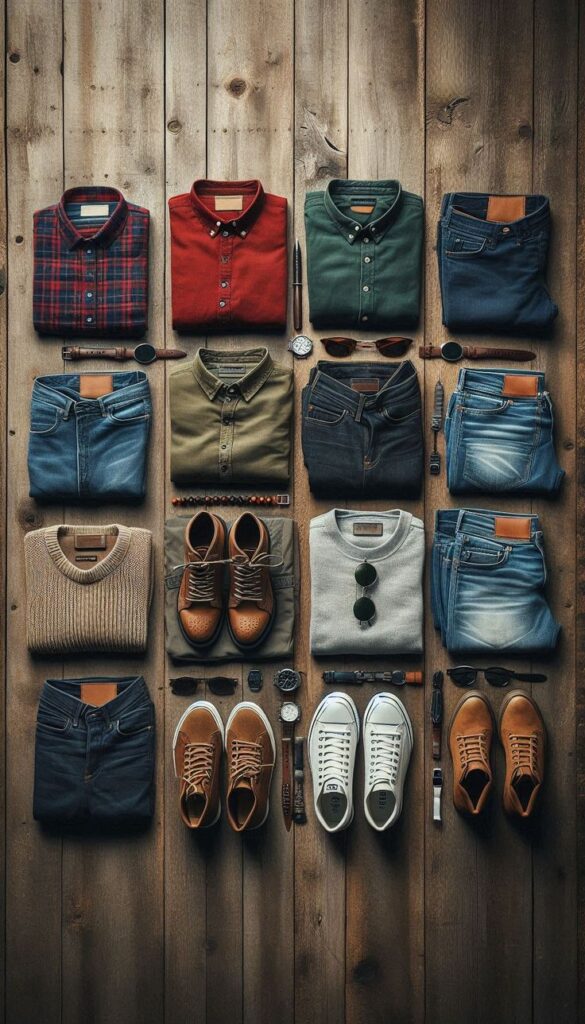
Finding the right places to shop and knowing how to customize pieces are crucial for assembling fisherman aesthetic outfits on any budget. The market today offers a spectrum—from heritage outerwear brands and artisanal knitmakers to mainstream retailers offering trend-forward, affordable alternatives. Many shoppers mix higher-quality investment pieces (a waxed jacket or a durable pair of boots) with budget base layers and accessories. The sustainability conversation has also influenced the market: secondhand and repair services are excellent sources for authentic workwear pieces that already show the lived-in patina central to the fisherman aesthetic. Trend roundups and retail reports note both high-end and accessible options for this style. Serpzilla.com+1
Start your shopping strategy by identifying what you want to invest in. Outerwear and footwear are the two categories where investment pays off: a quality waxed jacket or a well-constructed pair of boots will last many seasons and develop character. For outerwear, look to heritage brands known for durable fabrics and solid construction; if budget is limited, search thrift and vintage markets for pre-worn chore coats and pea coats—these are often more authentic and wallet-friendly. Footwear should prioritize function: waterproofing, good soles, and replaceable soles/heels extend longevity.
For knits and base layers, there are many price tiers. Independent knitters and small ateliers sell handcrafted sweaters with distinctive stitches and heavier yarns that match the fisherman aesthetic’s texture profile. On the more affordable side, many contemporary brands offer chunky knits in blends that are easier on the wallet while maintaining aesthetic integrity. Always check yarn content—wool and wool blends deliver the authentic texture and insulation; cotton and cotton blends can work for milder climates.
Secondhand shopping and mending are particularly relevant. Platforms like local markets, consignment shops, and curated vintage stores often carry chore coats, waxed jackets, and classic knits at reasonable prices. Choosing secondhand also aligns with the aesthetic’s ethos—patina and visible wear contribute to style authenticity. If you find a great piece with a small tear or worn elbow, consider professional darning or visible mending, which actually enhances the fisherman aesthetic’s story.
Accessories and small buys are where budgeting is easy: knit caps, rope bracelets, canvas tote bags, and woven belts are inexpensive yet transformative. For those aiming for sustainability, look for brands that disclose material sourcing or use recycled fibers. Many newer brands highlight traceability and repair services—an emerging value proposition for shoppers who want durable, long-lived items.
When shopping online, filter by material and construction details—search terms like “waxed cotton jacket,” “chunky cable knit,” or “chore coat heavy cotton” will return more targeted results. For in-store purchases, inspect seams, lining, and hardware; well-made pieces will have reinforced stress points and robust fastenings. Combine investment pieces with thrifted or budget base layers to keep costs manageable while achieving an authentic fisherman aesthetic wardrobe.
Budget Finds and Sustainable Options
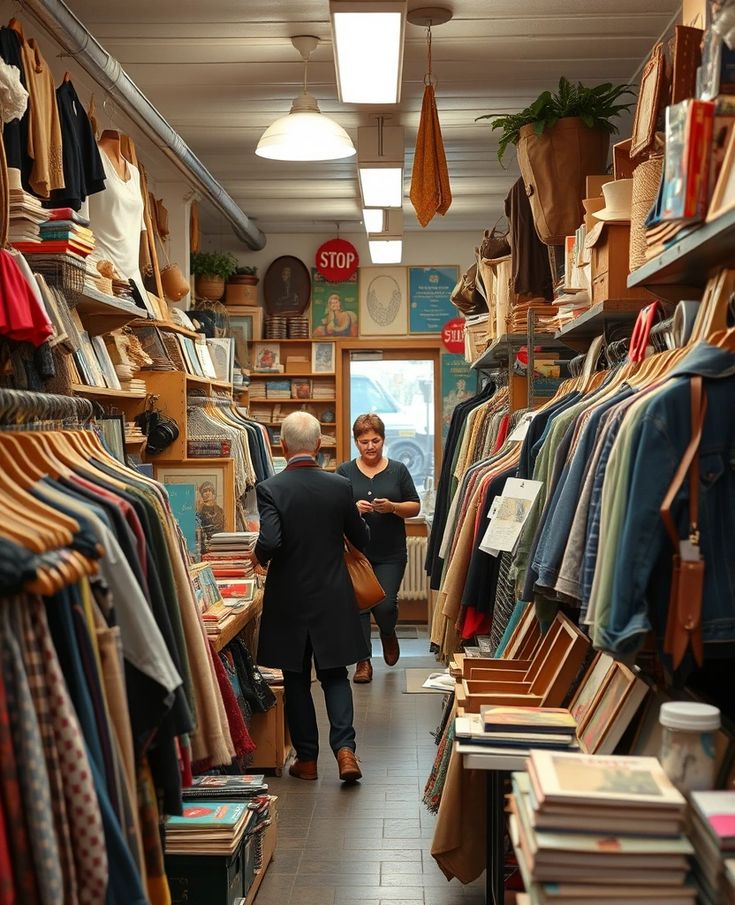
If you’re building the look on a budget or want sustainable choices, combine secondhand hunting with selective new purchases focused on materials and repairability. Thrift stores and online resale marketplaces are treasure troves for waxed jackets, worn leathers, and chore coats. When shopping resale, prioritize fit and construction: a small tailoring alteration is often cheaper than buying a new premium piece. For knits, look for merino or lambswool on discount cycles; many retailers run seasonal sales where heavier pieces are marked down significantly.
Sustainable options also include smaller makers who use traceable materials and low-impact dyeing processes. Brands that offer repair programs or replaceable components are especially valuable: they align with the fisherman aesthetic’s long-use mindset. Recycled wool, organic cotton, and low-impact coatings for water resistance are increasingly available—choose these where budget and availability allow.
Visible mending is also a cost-effective sustainability hack: rather than discarding a sweater with a hole, repair with contrasting yarn for visible, intentional stitching. This approach not only extends garment life but adds character. Another route is DIY waxing: you can apply waterproofing wax to an existing cotton jacket to get that oilskin look inexpensively. For footwear, resoling services extend the life of leather boots and are an excellent investment compared to replacing mass-market shoes frequently.
Finally, rotating seasonal wardrobes and buying fewer, better pieces reduce long-term spend. Prioritize items you’ll wear in multiple combinations—a quality knit, a neutral chore coat, and sturdy boots will create the most outfit leverage on a modest budget.
DIY Customizations and Accessorizing
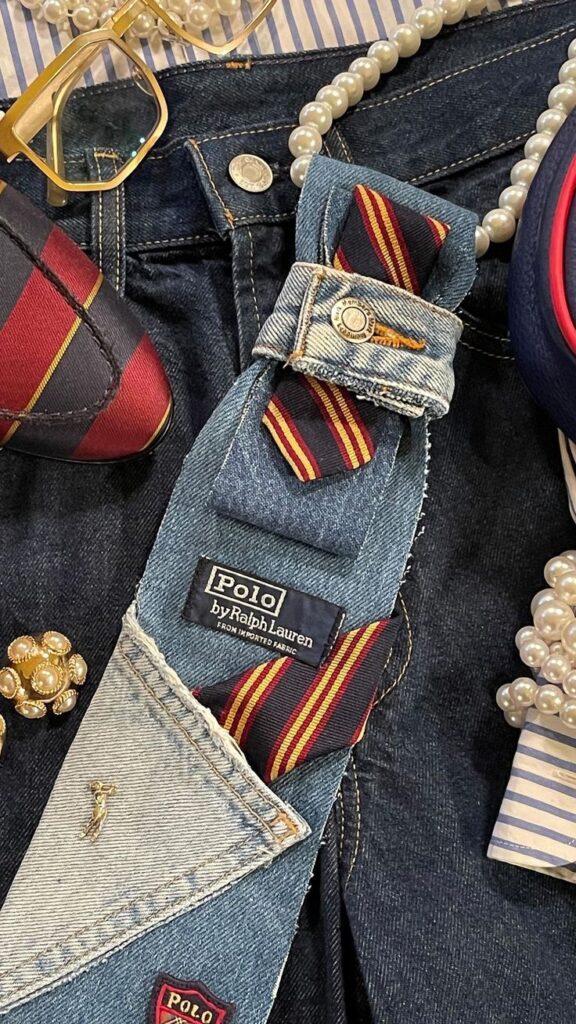
Personalizing fisherman aesthetic outfits through DIY customization makes the look distinct and more sustainable. Start with small alterations: shorten sleeve cuffs to show a striped base layer, add elbow patches in leather or canvas to a knit, or replace buttons with vintage brass ones to emphasize the workwear heritage. Patches and visible mending are both stylistic and practical—use contrasting yarn to repair a hole so the repair becomes a feature.
Accessory customization is high-impact with low cost. Rope bracelets, braided belts, and hand-stitched leather tags on canvas bags introduce maritime signifiers. Replacing generic bag straps with a waxed-canvas strap or adding carabiner clips for keys and tools brings utility to the forefront. Beanies and fisherman caps can be knitted or purchased in neutral palettes and then personalized with small embroidery or patched logos.
For outerwear, consider DIY waxing to increase water resistance and attain the classic oilskin sheen. Waxing is a weekend project: clean the jacket, warm the wax, and rub it into the fabric evenly; heat the jacket with a hairdryer to allow the wax to penetrate. This process creates an authentically weathered finish that only improves with wear. Similarly, adding a knit lining to a favorite jacket can extend its seasonality and comfort.
Accessorizing thoughtfully completes the look: choose canvas or leather totes that show wear, select socks with texture (ribbed or argyle) that peek above boots, and use practical belts with matte hardware. Keep jewelry minimal and material-based—rope, leather, and matte metal—rather than shiny or overly ornate pieces. These customizations and accessories allow anyone to make fisherman aesthetic outfits feel personal and lived-in without spending a fortune.