The fashion industry is a multifaceted and dynamic global sector that influences culture, economics, and individual lifestyles. It comprises a wide range of interconnected markets, including luxury fashion, fast fashion, haute couture, and sustainable fashion. Each segment caters to distinct consumer bases while being affected by changing trends, economic forces, and technological innovations.
Fashion markets do not only refer to the products themselves but also encompass the networks of distribution, marketing strategies, consumer behavior, and regional influences that drive demand. With globalization, fashion has become a universal language, yet local traditions and cultural aesthetics remain central to shaping its unique expressions.
Over the years, fashion industries have evolved from small-scale artisanship to mass production, powered by industrialization and later digitization. Today, e-commerce and social media platforms dominate the landscape, making fashion more accessible while simultaneously increasing competition. The industry also faces challenges such as sustainability, labor ethics, and overproduction, pushing brands to rethink strategies for long-term viability.
Markets like Paris, Milan, New York, and Tokyo remain influential hubs, but emerging economies are also shaping new trends and growth opportunities. With billions of dollars circulating annually, fashion industries serve as both cultural storytellers and economic engines. Their evolution highlights a continuous negotiation between creativity, commerce, and consumer demand.
Major Segments of the Fashion Industry
The fashion industry can be divided into several segments that function simultaneously yet differently. Each segment caters to a specific audience, uses unique strategies, and reflects diverse production processes. The four major segments are haute couture, luxury fashion, fast fashion, and sustainable fashion. Haute couture represents exclusivity and artistry, crafted for a small elite. Luxury fashion broadens this exclusivity by balancing artistry with brand recognition and global demand. Fast fashion, on the other hand, emphasizes accessibility, affordability, and trend replication, allowing the masses to engage in fashion trends at lower costs. Lastly, sustainable fashion seeks to redefine the industry by prioritizing environmental consciousness and ethical production methods.
These segments do not exist in isolation; instead, they overlap in multiple ways. For instance, luxury brands are increasingly adopting sustainable practices to remain competitive in socially conscious markets. Similarly, fast fashion brands are under pressure to improve labor conditions and reduce waste. Understanding these segments is crucial for grasping how the industry as a whole operates.
Fashion markets thrive on innovation and reinvention, with each segment acting as both a competitor and collaborator within the global landscape. By studying these categories, one can understand the industry’s structural diversity and the consumer demands shaping its future.
Haute Couture
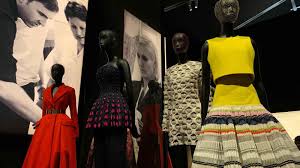
Haute couture is the pinnacle of fashion artistry, defined by exclusivity, craftsmanship, and luxury. Originating in Paris during the 19th century, it continues to be the ultimate symbol of prestige in the fashion world. Haute couture pieces are custom-made for individual clients, requiring hundreds of hours of manual labor and skilled artisanship. Each garment represents an artistic statement rather than mass consumption, often showcased in runway shows that influence global trends.
Couture houses like Chanel, Dior, and Givenchy have shaped cultural history by pushing the boundaries of fashion design. However, haute couture is not a profit-driven segment but rather a branding tool. Couture collections elevate a brand’s reputation, allowing them to sell ready-to-wear clothing, accessories, and fragrances on a larger scale. This dual role positions haute couture as both a creative laboratory and a marketing strategy.
While its clientele remains limited, haute couture has adapted to modern times by embracing inclusivity and digital showcases. Technology, such as virtual fashion shows, allows a broader audience to witness the artistry once reserved for exclusive circles. Thus, haute couture remains relevant by balancing its traditional prestige with modern accessibility, securing its place as a cornerstone of the fashion industry.