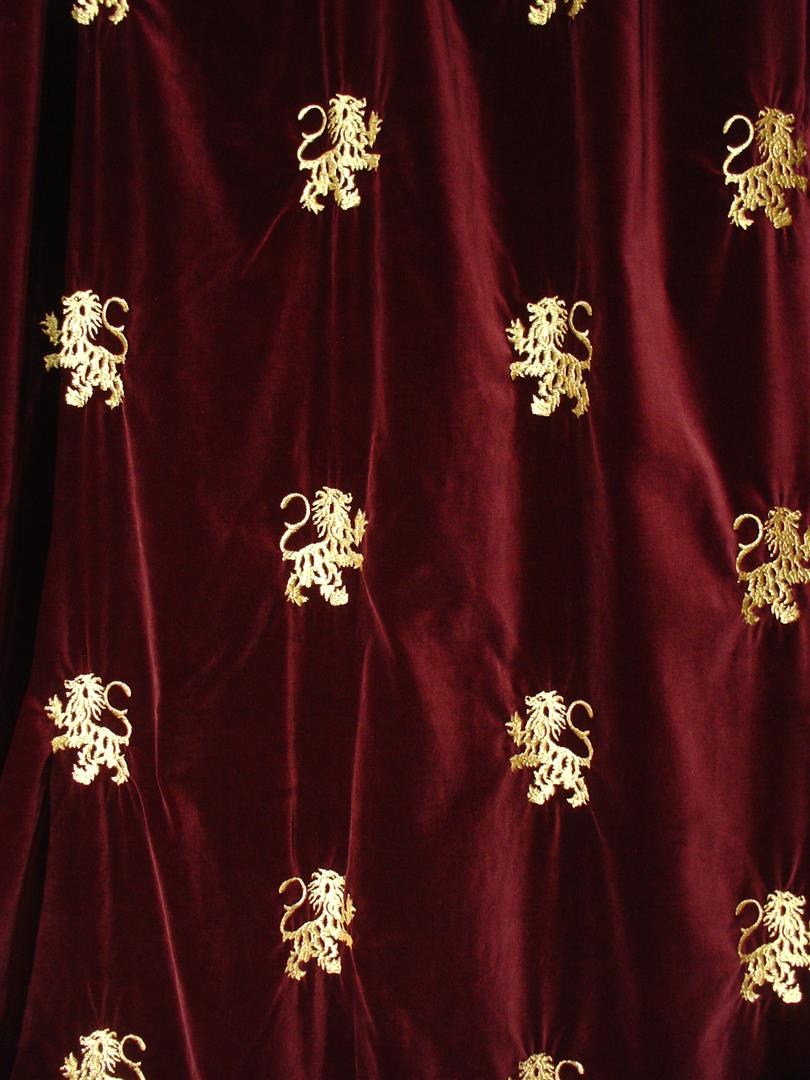
Velvet, with its lush texture and regal sheen, has been admired for centuries as one of the most luxurious fabrics ever created. Known as the “fabric of royalty,” velvet embodies wealth, sophistication, and exclusivity. From its earliest production in Eastern civilizations to its central role in European courts and modern fashion houses, velvet has maintained an aura of distinction that few other textiles can rival. Its association with nobility and luxury is no coincidence; velvet’s rarity, intricate production techniques, and sumptuous appearance made it a status symbol across different cultures and eras.
The story of velvet is one of artistry, power, and timelessness. Unlike plain woven fabrics, velvet requires a highly specialized technique to create its dense, soft pile. This labor-intensive process once meant that only the wealthiest could afford it, further reinforcing its status as a symbol of privilege. In medieval Europe, velvet garments were strictly regulated by sumptuary laws, which restricted their use to the upper classes, monarchs, and the church. Kings, queens, and nobles wrapped themselves in velvet to project majesty and power, while clergy wore velvet robes during significant religious ceremonies.
Velvet was also a political fabric. Rulers often used velvet garments and furnishings to demonstrate dominance, legitimacy, and divine favor. Thrones, coronation robes, and tapestries made from velvet became part of the visual language of authority. In Renaissance Italy, velvet became a major export commodity, produced by skilled weavers in cities like Venice, Florence, and Genoa, and traded widely across Europe. The demand for velvet during this period was immense, cementing its place in the history of fashion and economics.
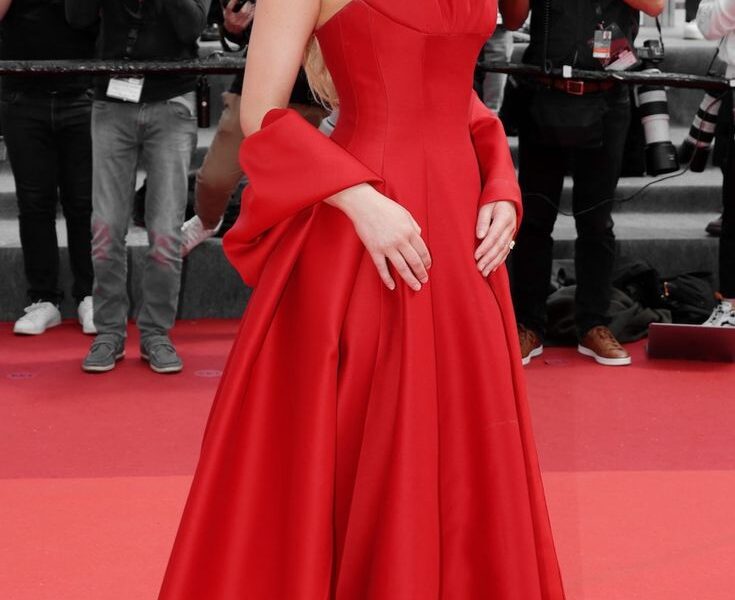
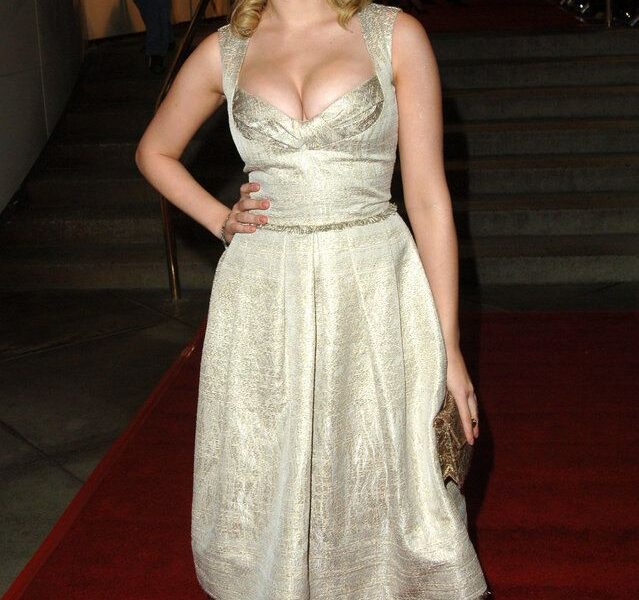
Yet velvet’s allure did not fade with time. Even as industrialization made it more accessible, its rich history and opulent texture continued to symbolize elegance. In the 20th and 21st centuries, velvet re-emerged in new forms, from glamorous Hollywood gowns to contemporary streetwear, proving that while fabrics may evolve, their symbolic power endures.
To call velvet the fabric of royalty is not merely to describe its historical use but also to acknowledge its enduring impact on fashion and culture. Whether seen in portraits of Renaissance monarchs, Shakespearean costumes, or modern couture runways, velvet consistently evokes grandeur and sophistication. Its history is a mirror of fashion’s relationship with power, class, and beauty.
Symbolism of velvet in luxury and power (700 words)
Velvet has always carried symbolic weight far beyond its tactile qualities. Its rich pile and lustrous finish made it synonymous with wealth and power. In many cultures, velvet became an exclusive fabric reserved for monarchs, aristocrats, and clergy. This exclusivity was reinforced by the difficulty and expense of producing it, as only highly trained artisans could weave its complex structure.
The church adopted velvet in religious vestments and altar decorations to emphasize the sanctity and magnificence of ceremonies. For rulers, velvet garments served as visual symbols of their superiority and divine right to govern. Coronation robes, often made of crimson or purple velvet, became iconic symbols of monarchy.
The symbolism extended into cultural and artistic representation. Velvet was frequently depicted in paintings of nobility and religious figures, where it conveyed both material wealth and spiritual grandeur. Even today, velvet retains these symbolic associations. In fashion editorials and luxury branding, velvet is often used to suggest sophistication, intimacy, and indulgence.
Thus, velvet is not just a fabric; it is a symbol, a language of power woven into fashion’s historical and cultural narrative.
Why velvet remains timeless (700 words)
Despite shifts in fashion and technology, velvet has never lost its appeal. Its timelessness lies in its ability to reinvent itself while maintaining its essence. Designers have continually reinterpreted velvet across centuries: from Renaissance gowns to Victorian upholstery, from Hollywood glamour to contemporary streetwear.
Velvet’s timelessness also stems from its versatility. It can be opulent and ceremonial, as in royal robes, or casual and modern, as in minimalist fashion. Advances in textile production have expanded its accessibility, allowing it to be crafted in new blends and colors, making it relevant for diverse audiences.
Moreover, velvet carries emotional resonance. The tactile pleasure of its softness creates a sense of intimacy, luxury, and nostalgia. This emotional connection keeps velvet alive in both fashion and interiors.
In short, velvet’s timelessness lies in its rare combination of historical grandeur, adaptability, and emotional appeal. It continues to inspire designers and captivate wearers across generations.