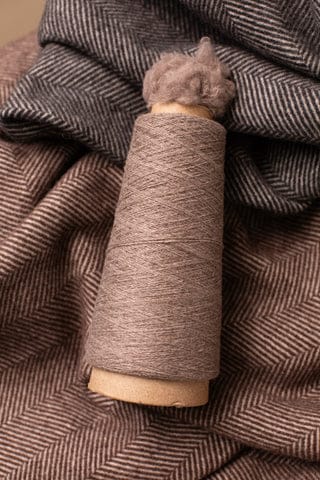
Cashmere, often referred to as the “soft gold” of textiles, has a history as rich and luxurious as the fabric itself. Originating from the fine undercoat of goats found in the harsh, cold climates of the Himalayan region, cashmere’s story spans thousands of years and connects cultures, trade routes, and fashion traditions across continents. Its legacy is not merely about fabric but about artistry, prestige, and the global flow of culture and commerce.
The word “cashmere” itself derives from “Kashmir,” the northernmost region of the Indian subcontinent, where the production of delicate shawls became legendary. Long before cashmere became a household name in European luxury, it was a treasured fabric in South Asia, deeply embedded in cultural heritage. Kashmiri artisans developed sophisticated weaving and embroidery techniques that turned raw goat fiber into works of art, coveted by nobles and royals.
As trade routes expanded, particularly the Silk Road, cashmere found its way beyond the Himalayas. Merchants carried it into Central Asia, Persia, and eventually Europe, where it quickly captured the imagination of aristocracy and elite society. Its rarity and the extraordinary craftsmanship required to produce it gave it an aura of exclusivity.
Cashmere’s historical journey also reveals its role as an economic and political symbol. For centuries, rulers gifted cashmere shawls as tokens of diplomacy, while European empires sought to replicate the craft in their own textile industries. By the 19th century, cashmere had become not just a luxury item but a global industry, influencing everything from fashion trends to economic policies.
Today, when we wear a cashmere sweater or wrap ourselves in a cashmere scarf, we are connecting with this long and fascinating history. The origins of cashmere tell us not only about a fabric but about the movement of ideas, craftsmanship, and culture across borders and centuries. Its story is proof that fashion is never just about clothing—it is about history, tradition, and identity.
The cultural significance of cashmere through time
Cashmere has always been more than just a fabric; it has been a cultural symbol that reflects artistry, prestige, and identity. In Kashmir, the pashmina shawl was not only a garment but also a canvas for storytelling. Each motif, weave, and embroidery style carried cultural meaning, often representing nature, spirituality, and social hierarchy. Owning a cashmere shawl was a matter of pride, passed down through generations as heirlooms.
In South Asian courts, cashmere garments signified nobility and status. Kings, queens, and emperors valued them as symbols of refinement and prosperity. Similarly, in Persian and Mughal courts, cashmere shawls were exchanged as diplomatic gifts, symbolizing power and cultural sophistication.
When cashmere entered Europe, it took on new cultural meanings. In the 18th and 19th centuries, European aristocratic women considered Kashmiri shawls essential parts of their wardrobes. To be seen in society without one was unthinkable. Writers and artists of the Romantic era even referenced cashmere shawls in their works, solidifying their role as cultural icons.
Even in modern times, cashmere retains its symbolic value. While mass production has made it more accessible, authentic handwoven Kashmiri shawls are still revered as works of art. The fabric continues to embody a bridge between tradition and modernity, heritage and global fashion.
Why the history of cashmere still matters today
Understanding the history of cashmere is crucial because it highlights the deep relationship between culture, craftsmanship, and fashion. In today’s fast-paced fashion industry, where synthetic fabrics dominate, cashmere reminds us of the value of slow, artisanal production. Its story emphasizes the importance of heritage and the preservation of skills that have been refined over centuries.
The history of cashmere also provides lessons in sustainability. Traditional methods of gathering and weaving cashmere were slow and mindful of the natural environment. Contrast this with modern mass production, which has raised concerns about overgrazing, environmental degradation, and exploitation. By revisiting cashmere’s past, fashion can find inspiration for a more balanced and ethical future.
Finally, history matters because it shapes identity. For Kashmiris, cashmere is not just fabric but part of their cultural and artistic heritage. Recognizing and honoring this history helps preserve cultural pride and ensures that the legacy of cashmere continues to inspire future generations.