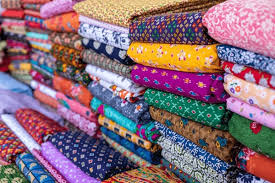
Clothing throughout history has always been shaped by the availability and use of fabrics and materials. In the medieval period, and indeed in earlier civilizations, textiles were not merely tools of necessity but powerful markers of status, wealth, trade, and culture. The fabrics people wore and the materials used in their garments told stories of class distinctions, economic systems, religious influences, and technological development. Understanding the common fabrics and materials of the Middle Ages provides crucial insight into both everyday life and the broader cultural currents that shaped the medieval world.
At the most basic level, the choice of fabric was dictated by climate, geography, and accessibility. In northern Europe, where winters were harsh, wool became the dominant fabric. Its insulating properties and adaptability made it indispensable for peasants and nobility alike, though the quality of wool varied dramatically between social classes. Meanwhile, in regions with warmer climates, such as southern Europe, lighter fabrics like linen were equally important. Linen’s breathability and comfort made it the fabric of choice for undergarments across all social classes, ensuring personal hygiene and comfort beneath heavier woolen clothing.
Beyond practicality, fabrics served as visible indicators of wealth and status. Luxury textiles such as silk were prized for their rarity and beauty. Unlike wool or linen, silk could not be produced locally in most of Europe during the early medieval period. Instead, it arrived via long and dangerous trade routes that linked Europe to Asia. The famed Silk Road, stretching from China through Central Asia and into the Byzantine Empire, was one of the primary conduits for this luxury. Owning silk garments signified immense wealth, as only the elite could afford to purchase or wear them. Sumptuary laws often restricted the use of silk to nobility or royalty, reinforcing its role as a symbol of exclusivity.
Leather and fur were also vital components of medieval attire. Leather, made from animal hides, was durable and versatile. It was used in footwear, belts, gloves, and even armor. Fur provided warmth during harsh winters and became a luxury when sourced from exotic animals such as ermine or sable. While peasants might line their cloaks with sheepskin for survival, nobles draped themselves in furs that doubled as both functional and fashionable statements. The symbolism attached to fur meant that it was not merely about staying warm but about displaying dominance and prestige.
The importance of fabrics extended beyond garments into the realm of identity and symbolism. Colors, achieved through natural dyes, conveyed status and meaning. For example, deep reds and purples—produced from costly dyes—were reserved for royalty or the wealthy elite. Meanwhile, natural shades of brown, gray, or undyed wool were associated with the lower classes. Dyes themselves were often obtained through trade, making bright or rare colors a reflection of global exchange as well as personal wealth.
Religious influence also shaped the choice of fabrics and materials. The Church emphasized modesty and discouraged ostentatious displays of wealth in dress, especially among women. However, paradoxically, religious leaders themselves often donned elaborate robes made of luxurious fabrics like silk, embroidered with gold thread to reflect spiritual authority. Pilgrims and monks, by contrast, wore plain wool or coarse linen as a sign of humility and devotion. Thus, fabrics in the medieval world were infused with religious, cultural, and moral symbolism.
Another dimension of fabrics was their role in trade and economy. The production, processing, and sale of textiles formed one of the largest industries in medieval Europe. Entire towns, particularly in regions like Flanders and northern Italy, became renowned centers of textile production and trade. Wool, in particular, became the backbone of European economies, creating wealth for merchant classes and fueling the rise of guilds. These guilds regulated production, ensured quality, and controlled trade routes, making textiles one of the earliest organized industries in medieval Europe.
As the medieval period progressed, innovations in weaving and tailoring transformed how fabrics were used. Early garments were often simple and rectangular in cut, but by the 12th and 13th centuries, techniques advanced to allow more fitted and shaped clothing. This evolution not only reflected improvements in craftsmanship but also a growing cultural emphasis on aesthetics and individuality. With more precise tailoring, fabrics could be showcased in new ways, allowing colors, textures, and decorative elements to take center stage.
In summary, the common fabrics and materials of the medieval period were more than simple resources for clothing. They were cultural signifiers, tools of trade, and reflections of identity. Wool, linen, silk, leather, and fur each played distinctive roles in shaping medieval society, from the peasant’s coarse tunic to the noble’s flowing silk gown. Combined with the symbolism of colors and dyes, fabrics helped define the very structure of medieval life. By studying these materials, we gain not only an understanding of medieval fashion but also a window into the economic, social, and spiritual world of the time.
Clothing throughout history has always been shaped by the availability and use of fabrics and materials. In the medieval period, and indeed in earlier civilizations, textiles were not merely tools of necessity but powerful markers of status, wealth, trade, and culture. The fabrics people wore and the materials used in their garments told stories of class distinctions, economic systems, religious influences, and technological development. Understanding the common fabrics and materials of the Middle Ages provides crucial insight into both everyday life and the broader cultural currents that shaped the medieval world.
At the most basic level, the choice of fabric was dictated by climate, geography, and accessibility. In northern Europe, where winters were harsh, wool became the dominant fabric. Its insulating properties and adaptability made it indispensable for peasants and nobility alike, though the quality of wool varied dramatically between social classes. Meanwhile, in regions with warmer climates, such as southern Europe, lighter fabrics like linen were equally important. Linen’s breathability and comfort made it the fabric of choice for undergarments across all social classes, ensuring personal hygiene and comfort beneath heavier woolen clothing.
Beyond practicality, fabrics served as visible indicators of wealth and status. Luxury textiles such as silk were prized for their rarity and beauty. Unlike wool or linen, silk could not be produced locally in most of Europe during the early medieval period. Instead, it arrived via long and dangerous trade routes that linked Europe to Asia. The famed Silk Road, stretching from China through Central Asia and into the Byzantine Empire, was one of the primary conduits for this luxury. Owning silk garments signified immense wealth, as only the elite could afford to purchase or wear them. Sumptuary laws often restricted the use of silk to nobility or royalty, reinforcing its role as a symbol of exclusivity.
Leather and fur were also vital components of medieval attire. Leather, made from animal hides, was durable and versatile. It was used in footwear, belts, gloves, and even armor. Fur provided warmth during harsh winters and became a luxury when sourced from exotic animals such as ermine or sable. While peasants might line their cloaks with sheepskin for survival, nobles draped themselves in furs that doubled as both functional and fashionable statements. The symbolism attached to fur meant that it was not merely about staying warm but about displaying dominance and prestige.
The importance of fabrics extended beyond garments into the realm of identity and symbolism. Colors, achieved through natural dyes, conveyed status and meaning. For example, deep reds and purples—produced from costly dyes—were reserved for royalty or the wealthy elite. Meanwhile, natural shades of brown, gray, or undyed wool were associated with the lower classes. Dyes themselves were often obtained through trade, making bright or rare colors a reflection of global exchange as well as personal wealth.
Religious influence also shaped the choice of fabrics and materials. The Church emphasized modesty and discouraged ostentatious displays of wealth in dress, especially among women. However, paradoxically, religious leaders themselves often donned elaborate robes made of luxurious fabrics like silk, embroidered with gold thread to reflect spiritual authority. Pilgrims and monks, by contrast, wore plain wool or coarse linen as a sign of humility and devotion. Thus, fabrics in the medieval world were infused with religious, cultural, and moral symbolism.
Another dimension of fabrics was their role in trade and economy. The production, processing, and sale of textiles formed one of the largest industries in medieval Europe. Entire towns, particularly in regions like Flanders and northern Italy, became renowned centers of textile production and trade. Wool, in particular, became the backbone of European economies, creating wealth for merchant classes and fueling the rise of guilds. These guilds regulated production, ensured quality, and controlled trade routes, making textiles one of the earliest organized industries in medieval Europe.
As the medieval period progressed, innovations in weaving and tailoring transformed how fabrics were used. Early garments were often simple and rectangular in cut, but by the 12th and 13th centuries, techniques advanced to allow more fitted and shaped clothing. This evolution not only reflected improvements in craftsmanship but also a growing cultural emphasis on aesthetics and individuality. With more precise tailoring, fabrics could be showcased in new ways, allowing colors, textures, and decorative elements to take center stage.
In summary, the common fabrics and materials of the medieval period were more than simple resources for clothing. They were cultural signifiers, tools of trade, and reflections of identity. Wool, linen, silk, leather, and fur each played distinctive roles in shaping medieval society, from the peasant’s coarse tunic to the noble’s flowing silk gown. Combined with the symbolism of colors and dyes, fabrics helped define the very structure of medieval life. By studying these materials, we gain not only an understanding of medieval fashion but also a window into the economic, social, and spiritual world of the time.