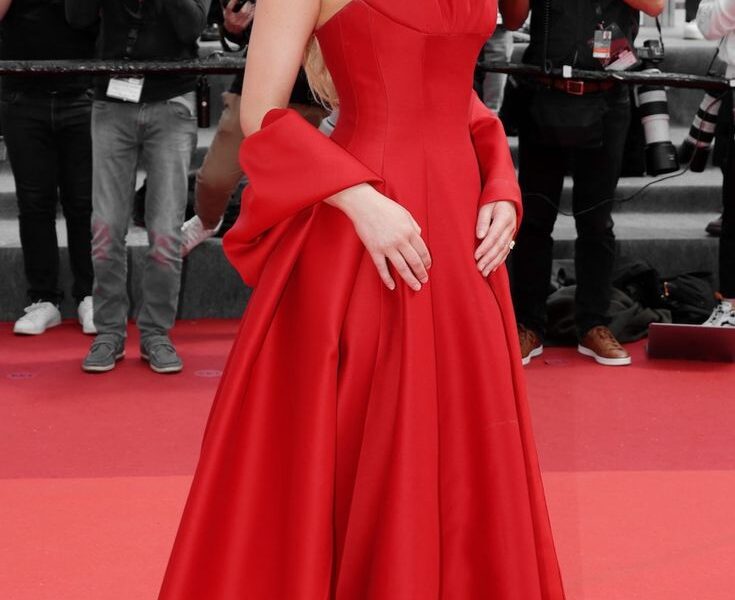
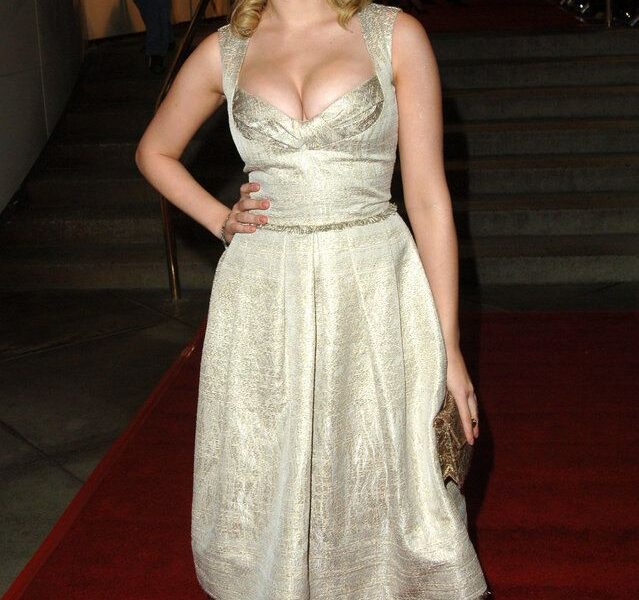
The fashion industry is one of the most dynamic, diverse, and influential sectors of the global economy. It is a unique blend of art, commerce, culture, and technology, making it both highly creative and highly competitive. At its essence, the fashion industry revolves around clothing, footwear, and accessories, but its reach is far more profound. It influences how people present themselves, how societies form cultural identities, and how economies operate across borders.
The scale of the fashion industry is enormous. It employs millions of people globally, ranging from designers, textile workers, manufacturers, and marketers to retail professionals, models, and influencers. This makes it one of the largest employers worldwide, particularly in countries where garment manufacturing forms a significant part of the economy, such as Bangladesh, Vietnam, and India. On the other hand, at the luxury end of the spectrum, Paris, Milan, New York, and London stand as global hubs for high fashion, showcasing the artistry of couture and avant-garde designs.
The industry is also a mirror of globalization. Modern fashion supply chains span continents, with raw materials often sourced in one country, manufactured in another, and sold globally. For instance, cotton might be grown in Egypt, woven into fabric in China, assembled into garments in Vietnam, and then shipped to Europe or the United States for retail. This interconnectedness reflects not only the efficiency of global trade but also the vulnerabilities of the fashion sector to issues such as labor exploitation, environmental degradation, and supply chain disruptions.
Another defining feature of the fashion industry is its cyclical and ever-changing nature. Trends emerge, evolve, and fade at a rapid pace, driven by consumer demand, cultural movements, and technological innovation. Fashion is rarely static—it thrives on novelty and reinvention. For example, styles that were considered outdated often resurface with modern adaptations, a phenomenon known as “retro” or “vintage revival.” This cyclical character ensures that fashion always remains relevant, appealing to both nostalgia and the pursuit of newness.
The fashion industry also represents an intersection of creativity and commerce. Designers conceptualize garments with artistic vision, but these ideas must be translated into products that can be manufactured, marketed, and sold profitably. The balance between innovation and practicality often determines the success of a fashion house or brand. For instance, while haute couture focuses on craftsmanship and exclusivity, fast fashion prioritizes affordability and speed, catering to mass consumer markets. Both approaches coexist, yet they cater to entirely different consumer expectations and economic models.
In addition, fashion is deeply tied to culture and identity. It acts as a form of self-expression, allowing individuals to communicate their personalities, beliefs, and social affiliations. Societal movements such as feminism, civil rights, and LGBTQ+ pride have all found powerful representation through fashion. Likewise, fashion has the ability to transcend borders, serving as a medium for cultural exchange. Japanese streetwear, for instance, has influenced Western brands, while African prints have found their way into global runways, celebrating diversity and cross-cultural inspiration.
Technology has also transformed the dynamics of the fashion industry. From computer-aided design (CAD) to 3D printing, artificial intelligence, and augmented reality, digital tools are reshaping how fashion is created and consumed. E-commerce platforms like ASOS, Shein, and Farfetch have revolutionized retail, while social media platforms such as Instagram and TikTok have turned influencers into trendsetters who rival traditional celebrities. In the digital age, fashion has become more accessible, interactive, and fast-paced than ever before.
Despite its glamour and innovation, the fashion industry faces significant challenges. Issues such as overproduction, environmental degradation, unethical labor practices, and cultural appropriation raise questions about sustainability and responsibility. The rise of sustainable fashion movements, circular economy models, and consumer awareness campaigns are reshaping industry dynamics, pushing brands to adopt eco-friendly practices and ethical sourcing methods. Consumers today are not only interested in style and price but also in the values a brand represents.
Ultimately, understanding the fashion industry requires recognizing its complexity. It is not just about trends or clothing—it is an ecosystem where artistry meets business, where cultural identity interacts with globalization, and where innovation must balance sustainability. The industry’s dynamics reflect the broader changes in society, from technological progress to shifting consumer values. To study fashion is to study culture, economics, and human behavior, making it one of the most fascinating and influential industries in the modern world.
Definition and Scope of the Fashion Industry (700 words)
The fashion industry can be broadly defined as the global ecosystem responsible for designing, producing, marketing, and selling apparel, footwear, and accessories. However, its scope is far greater than clothing—it is an intricate system that integrates art, culture, commerce, and technology. Fashion is a creative outlet, an economic driver, and a cultural phenomenon that shapes the way societies perceive identity and expression.
At the center of this definition lies design. Fashion begins with creativity, where designers conceptualize garments, often inspired by art, history, politics, or everyday life. However, the scope expands into a highly structured process that includes material sourcing, textile production, garment manufacturing, distribution, marketing, and retail. The lifecycle of a single fashion item is complex, involving multiple stakeholders across different continents.
The scope of the fashion industry also includes its segmentation. Luxury fashion, for example, emphasizes exclusivity, craftsmanship, and heritage. Brands like Chanel, Dior, and Gucci represent this segment, often catering to elite consumers and maintaining high price points. On the other end of the spectrum lies fast fashion, represented by retailers such as Zara, H&M, and Shein, which prioritize affordability and speed, making trends accessible to mass markets. Between these two extremes are ready-to-wear lines, mid-market fashion, and independent designers who bring diversity to the global marketplace.
Another crucial aspect of scope is the cultural influence of fashion. It is not only a reflection of consumer preferences but also a driver of cultural identity. Fashion embodies tradition in some contexts, such as ethnic wear or ceremonial garments, while simultaneously pushing boundaries of creativity through avant-garde designs. Its ability to merge cultural heritage with modernity makes it a powerful medium of expression.
In recent decades, the scope has widened even further due to technological innovations. E-commerce platforms, digital marketing, AI-driven analytics, and even virtual fashion are transforming the industry into a hybrid of physical and digital experiences. Today, consumers can try on clothes virtually, attend digital fashion shows, or even purchase digital-only outfits for avatars in the metaverse.
Economically, the scope of fashion is enormous. According to industry reports, the global fashion market is valued in trillions of dollars, contributing significantly to GDP in various countries. It also provides livelihoods for millions, from garment workers in developing countries to creative directors in fashion capitals. This vast economic footprint highlights how deeply fashion is embedded in global systems of trade and labor.
Finally, the scope of fashion must also be considered in terms of responsibility. As consumers become more aware of sustainability and ethics, fashion brands are increasingly being held accountable for their environmental impact and labor practices. The industry is moving toward transparency, where the scope includes not only profitability but also corporate social responsibility.
In essence, the definition and scope of the fashion industry reveal its dual nature: it is both an art form and a business machine. It is local in its cultural specificity yet global in its reach. It is fast-paced in trend cycles yet deeply rooted in historical traditions. Understanding its scope is crucial to appreciating its dynamics and preparing for its future transformations.