
The world of denim has completely transformed, leading to a new era where jeans are not just stylish but unbelievably comfortable. For decades, jeans were known for durability but also stiffness, heaviness, and the long “break-in” period needed before they felt wearable. Today, that experience has changed. Modern jeans are engineered with advanced fabric blends, stretch technology, and breathable fibers that make them feel as comfortable as sweatpants while still looking structured and polished. This shift marks one of the biggest revolutions in fashion, especially for people who love the timeless look of denim but demand more comfort.
This era focuses on combining flexibility with function. Brands now use ultra-soft cotton blends, elastane, and performance fibers to give jeans a second-skin feel. Instead of restricting movement, these new jeans adapt with your body—whether you’re walking, sitting, stretching, or traveling. Comfort is no longer an optional feature; it’s a core expectation. Jeans today are lightweight, temperature-regulating, and designed for long hours of wear without discomfort.
Even the construction techniques have evolved. Waistbands are more flexible, seams are smoother, and designs follow natural body lines for a more customized fit. People who previously avoided jeans because they felt too stiff or tight are now discovering a new world of denim that feels effortless from the first wear. Fashion is finally reflecting the modern lifestyle: fast, dynamic, and comfort-driven. This new era of ultra-comfortable jeans proves that style and comfort can live together perfectly, opening the door to a new generation of denim lovers who never thought jeans could feel this good.
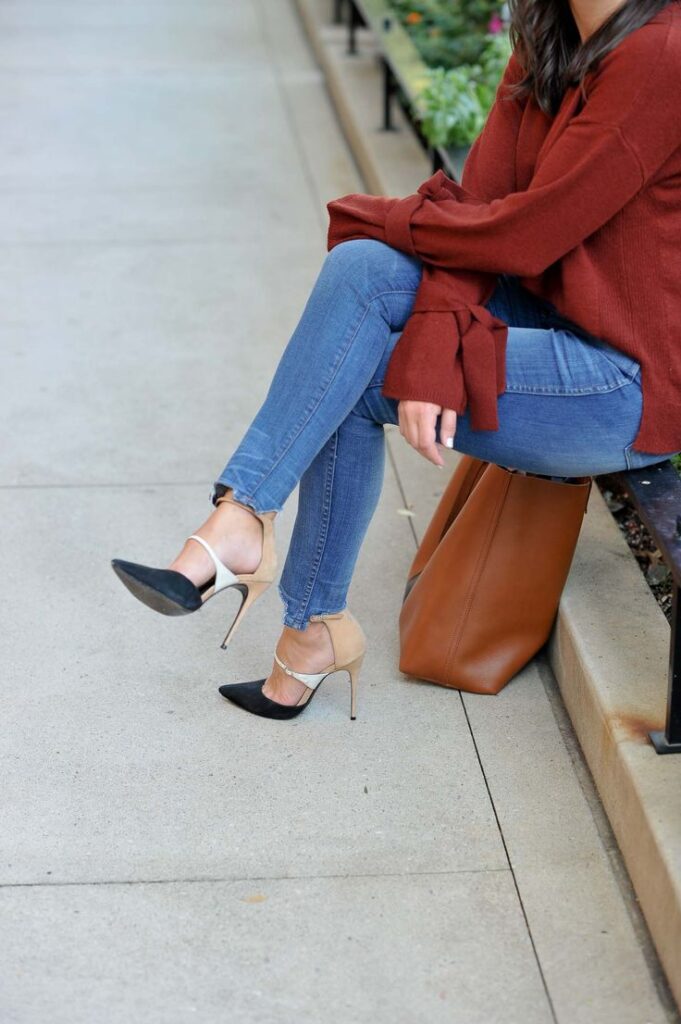
Why Modern Jeans Feel Better Than Traditional Denim
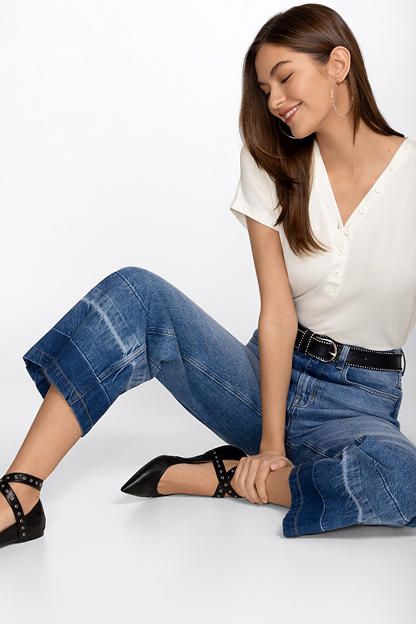
Modern jeans surpass traditional denim in every way, delivering comfort that older styles could never match. The primary reason is innovation—today’s denim incorporates advanced fibers that make the fabric lighter, softer, and more flexible. Traditional jeans were made from 100% thick cotton, which provided durability but lacked stretch and breathability. They were often heavy and rough, requiring weeks or even months to achieve a comfortable fit. Modern consumers, however, live active and fast-paced lives, demanding clothing that supports movement instead of restricting it.
Today’s jeans include elastane, polyester blends, recycled fibers, and performance-based materials that offer 360-degree stretch. This allows the denim to move with the body instead of resisting it. Whether someone is bending, travelling, or working, modern jeans maintain their shape while offering unmatched comfort. Breathable fabrics also help regulate temperature, making them suitable for all-day wear—even in warm climates.
Another major difference is fit. Modern jeans are designed with precision tailoring, ergonomic cuts, and flexible waistbands that adapt to natural body curves. Older denim styles often felt boxy or rigid. Modern jeans fit like a hybrid between leggings and pants, offering support without tightness. The shift in consumer demand has also encouraged brands to create inclusive sizing, ensuring that all body types can experience comfortable denim.
Ultimately, modern jeans feel better because they are built with lifestyle in mind. They are meant for real people, real movement, and real comfort. This evolution reflects the fashion industry’s commitment to merging functionality with style, proving that jeans no longer have to be stiff to be stylish—they can be incredibly comfortable and still look amazing.
Choosing the Most Comfortable Jeans for Your Style
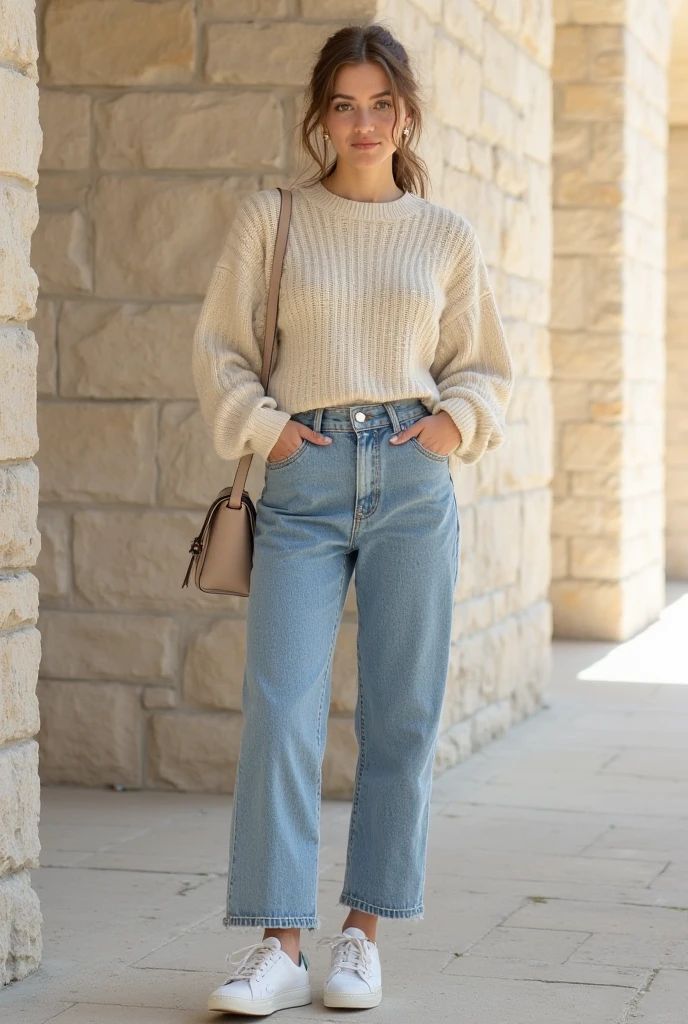
Choosing comfortable jeans is no longer just about size—it’s about fabric, fit, and lifestyle. Today’s denim market offers multiple comfort-focused styles, making it easier than ever to find jeans that feel good and match your personality. Understanding what makes jeans comfortable helps you choose the right pair designed for your daily routine. These modern options range from relaxed everyday styles to premium fashion-forward jeans that provide comfort without compromising aesthetics.
The first step is selecting the right fabric blend. Jeans with elastane or spandex offer stretch, while cotton-rich blends provide softness. For extra comfort, look for performance denim that includes moisture-wicking or breathable fibers. These materials prevent discomfort during long hours of wear, making them ideal for work, travel, or daily errands.
Next, consider the fit. Skinny jeans, straight fits, mom jeans, relaxed fits, and wide-leg styles all offer different comfort levels. For maximum comfort, many people prefer relaxed or straight-leg cuts because they allow natural movement. Modern skinny jeans also come with flexible stretch technology, making them more comfortable than older versions.
Waistband style matters too. Flexible, mid-rise, and contour waistbands adapt better to the body and prevent squeezing or stiffness. Additional features like soft seams, lightweight construction, and smooth lining add more comfort.
Finally, consider your fashion style. Minimalists may prefer classic, simple silhouettes that pair well with everyday outfits. Fashion enthusiasts might choose premium denim with unique washes, cuts, or details. The best jeans are those that support your lifestyle while aligning with your style identity. Comfort and style can go hand in hand—and modern jeans prove exactly that.