Fashion outfits are not just about clothing; they are a reflection of lifestyle, culture, and personal expression. Over time, the concept of outfits has expanded into diverse categories, each designed to suit particular occasions, moods, and climates. These categories simplify dressing by providing a structured approach to style, ensuring individuals can make fashion choices that balance comfort, aesthetics, and practicality.
One of the most significant aspects of categorizing fashion outfits is functionality. Different settings, from professional environments to casual gatherings, demand distinct dress codes. This is why categories like casual, formal, party wear, and seasonal outfits have emerged. Each carries its own unique characteristics that influence fabric selection, color palettes, and accessory choices. For example, casual outfits focus on ease and comfort, while formal outfits prioritize structure, elegance, and professionalism. Party and event outfits often highlight glamour and individuality, whereas seasonal outfits address the practical need to adapt to weather without compromising style.
Fashion designers, influencers, and cultural shifts continue to redefine these categories, adding modern twists to traditional concepts. Streetwear, athleisure, and sustainable clothing, for instance, are now interwoven within these broader classifications, offering people more options to express themselves. Categorization also makes fashion more accessible, as people can easily identify what suits a particular moment, whether it’s a relaxed weekend, a business meeting, or a festive celebration.
Ultimately, fashion outfit categories act as a roadmap, guiding individuals to build versatile wardrobes. They allow people to shift seamlessly between roles and events in daily life, all while maintaining a sense of confidence and identity. In today’s fast-evolving fashion world, understanding these categories is key to mastering personal style.
Casual Outfits
Casual outfits form the foundation of everyday dressing and are often the most versatile category in fashion. Unlike other outfit types, casual wear emphasizes comfort, practicality, and ease of movement without sacrificing style. It is designed to suit informal settings such as running errands, meeting friends, going to the movies, or enjoying a relaxed day out. This category allows individuals to express their personality in a laid-back, approachable way, making it one of the most popular choices across all age groups.
Casual fashion encompasses a wide variety of clothing items, including jeans, t-shirts, polos, hoodies, sneakers, and simple dresses. Fabrics like cotton, denim, and jersey dominate this category because of their breathable and comfortable qualities. Unlike formal attire, casual outfits are less structured and often encourage creativity in mixing and matching different pieces. For example, pairing distressed jeans with a crisp shirt creates a balance between relaxed and polished styles.
Accessories play a crucial role in elevating casual looks. Items like baseball caps, crossbody bags, sneakers, and sunglasses add character while maintaining the comfort-driven theme. Footwear is particularly flexible here, ranging from sandals and loafers to trendy sneakers, depending on personal preference.
Modern casual fashion has also been influenced by global trends such as streetwear and athleisure. Streetwear blends urban aesthetics with bold prints, while athleisure incorporates athletic-inspired pieces into daily outfits. Both styles have redefined casual wear, making it fashionable while staying comfortable.
Overall, casual outfits offer a sense of freedom and self-expression. They allow individuals to look stylish without appearing overdressed, striking a perfect balance between relaxed charm and everyday functionality. In many ways, casual fashion is where creativity thrives, as people mix comfort with individuality.
Formal Outfits
Formal outfits represent sophistication, elegance, and adherence to social or professional dress codes. This category is often associated with settings such as offices, corporate events, weddings, and formal gatherings where a polished appearance is essential. Unlike casual fashion, formal wear prioritizes structure, high-quality fabrics, and refined tailoring to project authority, professionalism, and grace.
Key staples of formal outfits include suits, blazers, dress shirts, ties, and dress shoes for men, while women often wear tailored dresses, pantsuits, skirts with blouses, or gowns depending on the event. Neutral tones such as black, navy, gray, and white dominate formal attire, though subtle patterns and accessories are often used to add personality. Fabrics like wool, silk, and fine cotton are preferred because of their luxurious finish and durability.
The main objective of formal dressing is to create a sophisticated, respectful impression. For instance, in corporate environments, formal outfits symbolize professionalism and competence. At weddings or black-tie events, they convey elegance and celebration. Accessories such as cufflinks, ties, handbags, and minimal jewelry further enhance the outfit’s polished appearance.
Over the years, formal wear has also evolved with modern interpretations. Business-casual looks, which balance formal elements with comfort, have become increasingly common. Additionally, designers now experiment with cuts, colors, and fusion styles to make formal outfits more versatile and inclusive.
Formal attire is not only about fitting into an expected dress code but also about boosting confidence. When someone wears a well-tailored suit or an elegant gown, they often feel more empowered and prepared to face important events. In essence, formal outfits highlight the refined side of fashion, blending tradition with modern creativity.
Party and Event Outfits
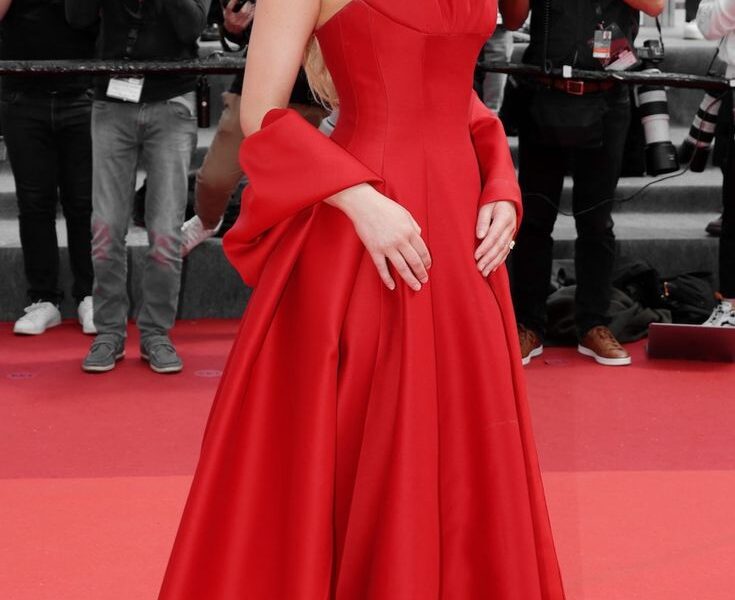
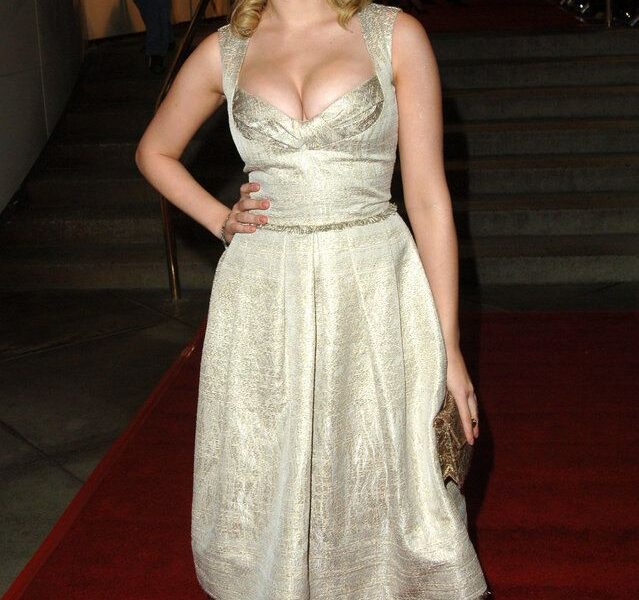
Party and event outfits are all about making a statement and standing out from the crowd. Unlike casual or formal categories, which may emphasize simplicity or professionalism, this category celebrates individuality, glamour, and creativity. Designed for special occasions such as birthdays, weddings, festivals, or night-outs, party outfits often prioritize style over practicality, allowing people to experiment with bold designs, luxurious fabrics, and vibrant colors.
For women, party wear may include cocktail dresses, sequined gowns, jumpsuits, or trendy co-ord sets, while men often opt for sleek suits, blazers with stylish shirts, or even statement casuals depending on the occasion. Fabrics like satin, velvet, chiffon, and sequins dominate this category, adding a luxurious and eye-catching appeal. Colors range from classic black and metallics to bold shades like red, emerald, and royal blue, depending on the vibe of the event.
Accessories are crucial to completing a party look. Jewelry, clutches, watches, and bold footwear such as heels or loafers enhance the outfit’s appeal. Makeup and hairstyling also play a significant role, as they add to the overall impression.
Party outfits are not just about appearance—they reflect mood and occasion. A glamorous gown may be suitable for a formal gala, while a chic, trendy dress fits perfectly at a casual gathering. Similarly, men can adapt from tuxedos to smart-casual looks depending on the event.
The flexibility of this category is what makes it exciting. It allows individuals to experiment, push boundaries, and celebrate personal style. In today’s fashion world, influencers and celebrities often set new trends in party wear, encouraging people to embrace bolder, more experimental looks. Ultimately, party and event outfits bring fashion to life by making celebrations more stylish and memorable.
Seasonal Outfits
Seasonal outfits are a vital category in fashion because they blend practicality with aesthetics. Unlike other outfit types that focus primarily on occasion, seasonal outfits are dictated by climate and weather conditions. They ensure comfort, protection, and style while adapting to seasonal changes such as summer heat, winter cold, or monsoon rains.
In summer, outfits prioritize breathability and light fabrics. Cotton t-shirts, sundresses, shorts, and sandals dominate wardrobes, often in lighter colors that reflect heat. Conversely, winter outfits emphasize warmth, with items like coats, sweaters, scarves, boots, and thermal wear. Wool, fleece, and layered clothing are commonly used during colder months to balance fashion with insulation. Spring outfits often embrace floral prints, pastel colors, and light jackets, while autumn fashion incorporates earthy tones, denim, and transitional pieces like cardigans and boots.
Seasonal fashion is also strongly influenced by global trends. For example, summer often introduces vibrant prints and beachwear collections, while winter fashion showcases new coat designs and layering techniques. Accessories also adapt seasonally, with sunglasses and hats popular in summer, and gloves and beanies essential in winter.
Sustainability is playing a growing role in seasonal fashion, with eco-friendly fabrics and versatile pieces that can transition across multiple seasons gaining popularity. Capsule wardrobes, which minimize excess while maximizing outfit combinations, are especially useful for seasonal dressing.
Ultimately, seasonal outfits highlight the adaptability of fashion. They allow individuals to stay stylish without compromising on comfort or health. Whether it’s breezy summer wear or cozy winter layering, seasonal fashion reflects the harmony between environment and personal expression.