Seasonal outfit fashion for women is a fascinating reflection of how clothing adapts to weather, lifestyle, and cultural rhythms throughout the year. Each season carries its own mood, colors, and fabric preferences, shaping the way women dress to balance style with comfort. Beyond just protection against climate, seasonal fashion is a way of expressing creativity and individuality in harmony with nature’s cycles.
In warmer months, lighter fabrics, breathable textures, and vibrant tones dominate. Summer and spring encourage flowy dresses, cotton tops, and bright patterns, reflecting freshness and liveliness. Conversely, colder months bring layering, cozy fabrics, and earthy palettes. Autumn and winter wardrobes often revolve around jackets, knitwear, boots, and layering strategies that mix practicality with elegance.
What makes seasonal outfit fashion exciting is its cyclical evolution. Designers launch new collections with each season, offering inspiration that trickles down from luxury runways to high-street brands. Social media and influencers also play a major role in setting seasonal outfit trends, showing women creative ways to style pieces for everyday life.
Another dimension is sustainability. Many women now prefer timeless seasonal staples over fast fashion. For instance, a high-quality wool coat or a cotton summer dress can last years if chosen wisely, reducing the need for constant purchases. Accessories also become crucial across seasons, from straw hats and sunglasses in summer to scarves and gloves in winter.
Ultimately, seasonal outfit fashion empowers women to refresh their wardrobes while staying practical. It emphasizes versatility, encouraging mix-and-match styling that works throughout the year. More than just adjusting to the weather, seasonal dressing is about celebrating the unique energy each season brings to fashion.
Summer and Spring Outfits
Summer and spring outfits for women represent freshness, brightness, and lightweight comfort. These seasons are associated with outdoor activities, vacations, and social gatherings, which makes breathable fabrics and cheerful colors essential. Cotton, linen, and chiffon are among the most preferred materials, as they allow air circulation and prevent discomfort in rising temperatures.
In spring, floral prints, pastel shades, and flowy silhouettes dominate. Dresses, skirts, and light blouses reflect the blossoming season. Layering is minimal, but women often carry a light cardigan or denim jacket to adapt to cool evenings. Spring also celebrates femininity through playful patterns and accessories like floral scarves, straw bags, and delicate jewelry.
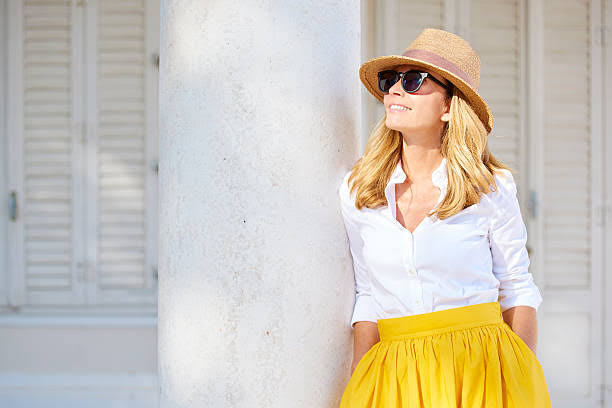
Summer outfits focus on staying cool while maintaining elegance. Sundresses, shorts with airy tops, maxi skirts, and jumpsuits are wardrobe essentials. Sleeveless cuts, off-shoulder tops, and crop styles give a trendy vibe while ensuring ventilation. Bright shades like yellow, coral, turquoise, and white bring vibrancy to summer fashion. Swimwear and beachwear also gain importance during this season, often paired with oversized hats, sunglasses, and sandals.
Both seasons encourage experimentation with prints—floral, polka dots, and tropical themes remain timeless choices. Footwear usually includes sandals, espadrilles, sneakers, and ballet flats, all designed for comfort and versatility.
Practicality is as important as style. Sun protection becomes part of fashion, with women incorporating wide-brimmed hats, lightweight cover-ups, and UV-protection sunglasses. Minimal, breathable makeup and natural hairstyles complement the seasonal look.
In essence, summer and spring outfits embody freedom, freshness, and joyful energy. They represent the lighter side of women’s fashion, balancing practicality with beauty while embracing the vibrancy of nature.
Autumn and Winter Outfits
Autumn and winter outfits for women showcase the cozy, layered, and elegant side of fashion. Unlike the carefree vibe of summer and spring, colder months emphasize warmth, texture, and sophistication. Fabrics like wool, cashmere, tweed, and leather take center stage, offering both insulation and luxury.
Autumn is often characterized by earthy tones—shades of brown, mustard, olive, burgundy, and burnt orange mirror the colors of falling leaves. Women favor layering during this season: cardigans over blouses, ankle boots with jeans, or trench coats paired with scarves. Lightweight sweaters and long skirts also make great transitional pieces, balancing comfort with style. Accessories like felt hats, ankle boots, and crossbody bags define autumn looks.
Winter, on the other hand, demands heavier layering. Thick coats, parkas, puffer jackets, and woolen shawls become essentials. Knitwear, especially chunky sweaters and turtlenecks, dominate wardrobes. Women often experiment with layering techniques—such as pairing sweaters with collared shirts, dresses with tights, or oversized coats with boots.
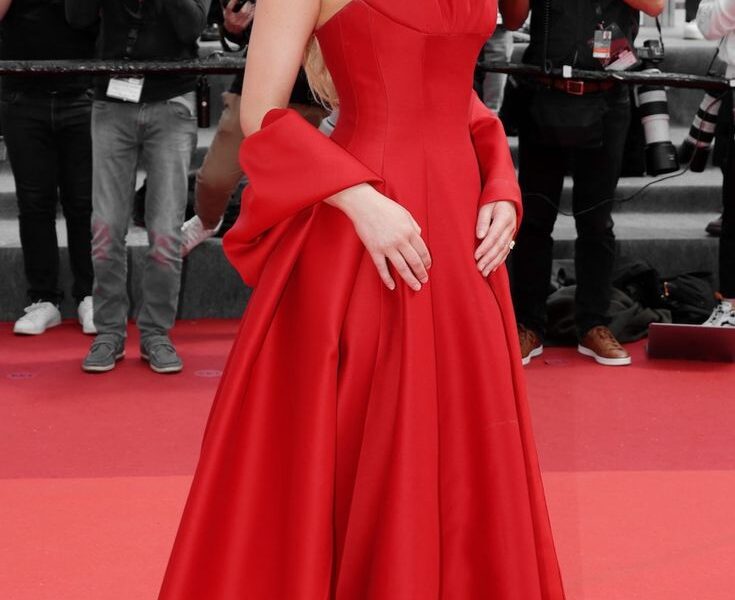
Dark, muted colors like black, navy, gray, and deep red dominate winter palettes, though bright scarves or statement bags often add a pop of color. Footwear leans toward boots—knee-high, combat, or ankle—for both warmth and durability. Gloves, beanies, and wool scarves not only provide protection but also elevate the outfit’s elegance.
Practicality in autumn and winter is balanced with creativity. Women use textures and layering to make fashion statements while ensuring comfort. From casual chic looks with jeans and sweaters to formal winter elegance with coats and heeled boots, these seasons highlight versatility.
Ultimately, autumn and winter fashion symbolize warmth, elegance, and strength. They allow women to embrace layering as an art form while staying stylish against the chill of the season.