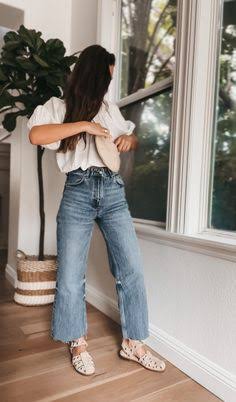
Casual outfit fashion for women represents one of the most dynamic and relatable aspects of modern style. Unlike formalwear, which is often bound by rules, traditions, and etiquette, casual fashion offers flexibility, creativity, and comfort. It reflects not just clothing choices but also lifestyle, personality, and cultural identity. For women across the globe, casual fashion has become a symbol of self-expression and empowerment, where individuality often takes precedence over conformity.
The term “casual” in fashion does not mean carelessness or lack of style. Instead, it refers to outfits that prioritize relaxation, wearability, and ease, without compromising on aesthetics. Jeans, T-shirts, sundresses, jumpsuits, skirts, leggings, and sneakers are staple items in casual wardrobes. What makes casual fashion exciting is its versatility—clothes can be dressed up or down depending on the occasion, making it practical for daily wear, travel, or even semi-formal gatherings.
Historically, casual wear emerged as societies began prioritizing comfort over rigid dress codes. The 20th century played a crucial role, especially after World War II, when women increasingly joined the workforce and needed functional clothing. This led to the popularization of trousers, denim, and simple tops. Later, in the 1960s and 70s, youth-driven movements gave casual fashion a cultural edge, with bohemian dresses, tie-dye shirts, and denim jackets dominating the scene. In the 1990s and 2000s, casual wear embraced minimalism with jeans, crop tops, and athleisure setting trends.
In today’s digital era, casual outfit fashion is influenced heavily by social media, influencers, and fast fashion brands. Women are inspired by Instagram, TikTok, and Pinterest trends that showcase everything from minimalist capsule wardrobes to bold streetwear aesthetics. The rise of e-commerce has also made casual fashion more accessible, allowing women worldwide to experiment with global styles.
A key feature of casual outfit fashion is its adaptability across seasons. Light dresses, cotton tops, and shorts are ideal for summers, while layering with sweaters, hoodies, and boots works perfectly in winters. Similarly, casual wear can be accessorized to suit different occasions—add a blazer to jeans and a T-shirt, and suddenly, the outfit leans toward business casual.
Another defining factor is inclusivity. Modern casual fashion embraces all body types, ethnicities, and lifestyles. Brands now focus on plus-size clothing, sustainable fabrics, and ethical designs, catering to diverse women’s needs. This inclusivity has reshaped casual wear into a celebration of identity rather than just following trends.
Casual outfit fashion is also deeply tied to sustainability. With increasing awareness about fast fashion’s environmental impact, many women prefer investing in timeless, durable pieces rather than disposable, trend-based clothing. Capsule wardrobes—where fewer, versatile pieces are styled in multiple ways—are becoming a popular choice for those seeking simplicity and sustainability.
Ultimately, casual outfit fashion for women strikes the perfect balance between comfort and style. It provides the freedom to experiment, blend cultures, and redefine beauty standards while staying functional. From a pair of denim jeans paired with sneakers to a flowy bohemian dress, casual fashion continues to evolve, adapting to women’s lifestyles, aspirations, and the ever-changing world of trends.
Everyday Wear and Comfort
Everyday wear in women’s fashion is all about practicality, comfort, and effortless style. While casual wear covers a broad spectrum, everyday outfits are those pieces women reach for instinctively—clothes that can be worn at home, to the market, for coffee dates, or even at work if the environment is relaxed. Comfort becomes the top priority, but without sacrificing aesthetics, because what women wear daily still contributes to confidence and self-image.
At the core of everyday wear lies functionality. Clothes should allow ease of movement, suit the climate, and feel good on the skin. Fabrics like cotton, linen, jersey, and denim dominate this category, as they are breathable, soft, and easy to maintain. Leggings paired with oversized shirts, jeans with simple tops, and casual dresses with flats are go-to options. Footwear also plays a huge role in comfort—sneakers, loafers, sandals, and ballet flats make daily wear both stylish and practical.
The pandemic also shifted perceptions of everyday wear. With work-from-home culture rising, loungewear and athleisure gained enormous popularity. Joggers, yoga pants, hoodies, and oversized T-shirts became everyday essentials, blending comfort with a laid-back style. Even post-pandemic, this relaxed dressing culture continues to thrive, showing how lifestyle changes influence fashion.
Another important aspect is adaptability. Everyday outfits can easily transition from casual to slightly formal with the right tweaks. For example, adding a scarf, structured bag, or blazer can elevate a basic jeans-and-top outfit. Similarly, neutral-toned dresses can work for both day errands and evening gatherings with a quick switch of accessories.
Cultural influences also define everyday wear. For example, in South Asia, women’s casual daily outfits may include shalwar kameez or kurti with jeans, while in the West, jeans and T-shirts dominate. In Middle Eastern countries, abayas and kaftans may serve as everyday attire. This shows how comfort is relative and shaped by traditions, climate, and lifestyle.
Inclusivity again plays a big role. Everyday wear has expanded to cater to all body types, offering designs that prioritize fit without compromising style. Brands now emphasize stretchy fabrics, elastic waistbands, and relaxed cuts to ensure clothing adapts to the wearer, not the other way around.
Everyday fashion also resonates with minimalism. Capsule wardrobes, where women invest in a handful of versatile outfits, are gaining traction. The concept of “less but better” promotes sustainability while ensuring that outfits are practical and easy to style daily.
In essence, everyday wear reflects the balance between style and simplicity. It is not about making bold fashion statements but about feeling good, being comfortable, and staying true to one’s personality. By combining practicality with subtle elegance, women’s everyday wear proves that comfort and fashion can go hand in hand.