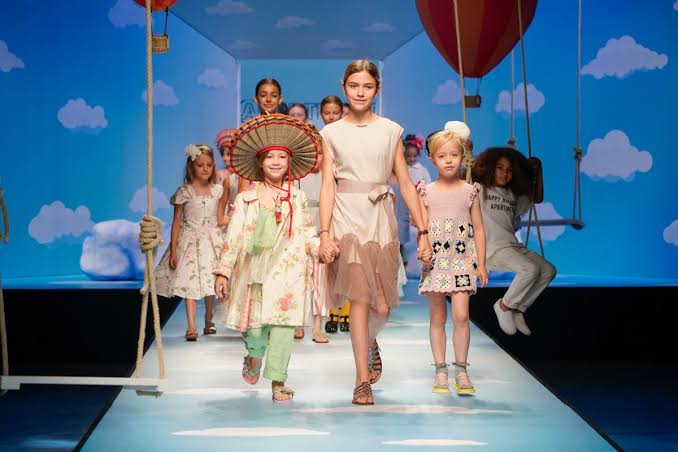
:Global Trends in Kids’ Fashion
Kids’ fashion has evolved far beyond the simple concept of practical clothing. Today, it is a thriving industry that reflects global trends, cultural influences, and even the technological innovations of our era. The fashion choices available for children are no longer limited to plain outfits meant only for daily wear. Instead, kids’ wardrobes today mirror the fashion landscapes of adults, combining comfort, practicality, and global style statements. Global trends in kids’ fashion are shaped by factors such as the rise of social media, the growing presence of kids on digital platforms, the influence of celebrity culture, and the rapid expansion of international brands into different markets.
One of the biggest drivers of these global trends is miniaturization of adult fashion. Kids’ clothing lines often replicate the trends seen in adult fashion weeks, creating “mini-me” outfits where children wear scaled-down versions of runway designs. This reflects a growing desire among parents to dress their children in stylish, trendy ways that showcase family identity, status, and even lifestyle preferences. For instance, luxury brands like Gucci, Burberry, and Dolce & Gabbana now have dedicated kids’ collections, merging high fashion with childhood aesthetics.
Another crucial aspect of global kids’ fashion trends is the blending of comfort with style. Unlike adult fashion, which often prioritizes design over comfort, kids’ fashion demands both. Fabrics must be breathable, lightweight, and durable, while designs must also allow freedom of movement. Thus, athleisure has become a global trend in children’s fashion, as leggings, tracksuits, and sneakers dominate wardrobes across continents.
Cultural fusion also plays a significant role in shaping global kids’ fashion. Designers often take inspiration from traditional clothing and adapt it into modern outfits suitable for children. For example, Japanese kimonos inspire wrap-style dresses, while Middle Eastern abayas inspire flowy tunics designed for everyday wear. This incorporation of traditional elements into modern kids’ wear allows children to stay connected to their cultural heritage while embracing global style trends.
Moreover, global kids’ fashion is heavily influenced by media and entertainment industries. From Disney princess gowns to Marvel superhero T-shirts, children’s favorite movies and cartoons often dictate fashion demands. The rise of K-pop and anime has also added to this cultural exchange, with kids around the world asking for clothing inspired by their favorite international stars and animated characters.
Social media has accelerated this globalization even further. Platforms like Instagram, TikTok, and YouTube expose children and parents to diverse fashion trends across the globe. Parents share images of their children dressed in fashionable outfits, creating an ecosystem where fashion-conscious parenting becomes a norm. This exposure encourages the adoption of international trends even in regions with strong traditional dressing practices.
Another important trend is sustainability. With growing concerns over fast fashion’s environmental impact, many global brands are introducing eco-friendly kids’ clothing lines. Parents are increasingly conscious of the fabrics used for their children’s outfits, opting for organic cotton, bamboo-based materials, or recycled fabrics. This eco-conscious shift in kids’ fashion is not only a global trend but also a necessity, as children’s sensitive skin often requires non-toxic, chemical-free fabrics.
In addition, global kids’ fashion is being shaped by technology and innovation. Smart fabrics, UV-protection clothing, temperature-regulating materials, and adaptive clothing for differently-abled children are gaining popularity. Such advancements showcase how global trends in kids’ fashion are merging style with science.
Finally, globalization has made kids’ fashion more inclusive. Gender-neutral clothing lines are on the rise, reflecting societal changes toward diversity and equality. This shift challenges traditional pink-for-girls and blue-for-boys stereotypes, allowing children more freedom to explore their personal style without restrictions.
In conclusion, global trends in kids’ fashion represent a fascinating combination of luxury and affordability, tradition and modernity, comfort and style, and local and international influences. From mini versions of adult fashion to sustainability-driven innovations, children’s clothing has become a vibrant and dynamic field. These trends continue to evolve with culture, technology, and globalization, making kids’ fashion not just a necessity but a global phenomenon of creativity and expression.
H4: Western Influence on Kids’ Fashion
Western culture has been one of the strongest influencers of global fashion, and kids’ clothing is no exception. From the widespread popularity of jeans and T-shirts to the dominance of global brands like Nike, H&M, Zara, and Gap, Western styles have set the benchmark for modern children’s wear. Parents across the world often look to Western fashion for inspiration, considering it trendy, modern, and aspirational.
One of the most visible aspects of Western influence is the emphasis on casual wear. Jeans, hoodies, sweatshirts, sneakers, and graphic tees have become universal staples in kids’ wardrobes. These items, originally rooted in American and European cultures, have now spread globally and are seen as the go-to choices for comfort and style.
The idea of “mini-me fashion” also comes largely from the West. Hollywood celebrities and influencers frequently dress their children in luxury branded clothing that mirrors adult outfits. This trend has trickled down into mainstream culture, with parents worldwide wanting to dress their children in coordinated or stylish looks that replicate Western celebrity culture.
Another significant Western contribution is seasonal fashion. In many Western countries, wardrobes shift according to spring, summer, fall, and winter, with collections released each season. This concept has spread globally, encouraging families even in non-seasonal climates to purchase clothing aligned with Western seasonal styles.
Western media also drives children’s fashion trends. Disney, Marvel, Nickelodeon, and Hollywood movies inspire clothing lines that become everyday staples. From princess dresses to superhero costumes, these media-driven trends are consumed worldwide, making Western kids’ fashion part of global childhood culture.
In summary, Western influence on kids’ fashion can be seen in casual wear, seasonal collections, celebrity-driven mini-me trends, and media-inspired outfits. It has created a standardized, aspirational style that is adopted globally, often shaping parents’ and children’s perceptions of what modern kids should wear.
H4: Asian and Middle Eastern Kids’ Fashion Styles
While Western influence is powerful, Asian and Middle Eastern cultures bring a rich diversity to kids’ fashion, blending tradition with modern trends. These regions have deep-rooted clothing traditions that continue to shape how children dress, even as global brands expand into their markets.
In Asia, kids’ fashion reflects cultural diversity. In South Asia, for example, everyday wear often includes traditional clothing such as shalwar kameez, lehengas for girls, and kurta pajamas for boys. However, modern adaptations combine these with Western elements—embroidered jeans, fusion tunics, or T-shirts paired with traditional bottoms. In East Asia, Japanese and Korean kids’ fashion emphasizes cuteness and creativity, with pastel colors, oversized sweaters, layered looks, and accessories inspired by anime or K-pop culture.
In the Middle East, modesty plays a central role in kids’ fashion. Girls often wear dresses with long sleeves, tunics with leggings, or abaya-inspired styles, while boys may wear thobes, dishdashas, or modern trousers with modest shirts. Yet, international brands adapt to these cultural requirements by offering collections that balance global trends with regional traditions. Luxury fashion also has a strong presence in the Middle East, where many families invest in high-end designer outfits for their children, especially for special occasions.
Both Asian and Middle Eastern kids’ fashion also place a strong emphasis on festive and cultural attire. Outfits for Eid, Diwali, Lunar New Year, or weddings are elaborate, colorful, and rich in embroidery, showing how traditional styles continue to thrive alongside global casual trends.
In conclusion, Asian and Middle Eastern kids’ fashion represents a fusion of heritage and global influence. While Western casual wear is widely adopted, these regions maintain unique cultural identities through traditional clothing and modest designs. This balance makes kids’ fashion in Asia and the Middle East one of the most vibrant and diverse in the world.
Global Trends in Kids’ Fashion
Kids’ fashion has evolved far beyond the simple concept of practical clothing. Today, it is a thriving industry that reflects global trends, cultural influences, and even the technological innovations of our era. The fashion choices available for children are no longer limited to plain outfits meant only for daily wear. Instead, kids’ wardrobes today mirror the fashion landscapes of adults, combining comfort, practicality, and global style statements. Global trends in kids’ fashion are shaped by factors such as the rise of social media, the growing presence of kids on digital platforms, the influence of celebrity culture, and the rapid expansion of international brands into different markets.
One of the biggest drivers of these global trends is miniaturization of adult fashion. Kids’ clothing lines often replicate the trends seen in adult fashion weeks, creating “mini-me” outfits where children wear scaled-down versions of runway designs. This reflects a growing desire among parents to dress their children in stylish, trendy ways that showcase family identity, status, and even lifestyle preferences. For instance, luxury brands like Gucci, Burberry, and Dolce & Gabbana now have dedicated kids’ collections, merging high fashion with childhood aesthetics.
Another crucial aspect of global kids’ fashion trends is the blending of comfort with style. Unlike adult fashion, which often prioritizes design over comfort, kids’ fashion demands both. Fabrics must be breathable, lightweight, and durable, while designs must also allow freedom of movement. Thus, athleisure has become a global trend in children’s fashion, as leggings, tracksuits, and sneakers dominate wardrobes across continents.
Cultural fusion also plays a significant role in shaping global kids’ fashion. Designers often take inspiration from traditional clothing and adapt it into modern outfits suitable for children. For example, Japanese kimonos inspire wrap-style dresses, while Middle Eastern abayas inspire flowy tunics designed for everyday wear. This incorporation of traditional elements into modern kids’ wear allows children to stay connected to their cultural heritage while embracing global style trends.
Moreover, global kids’ fashion is heavily influenced by media and entertainment industries. From Disney princess gowns to Marvel superhero T-shirts, children’s favorite movies and cartoons often dictate fashion demands. The rise of K-pop and anime has also added to this cultural exchange, with kids around the world asking for clothing inspired by their favorite international stars and animated characters.
Social media has accelerated this globalization even further. Platforms like Instagram, TikTok, and YouTube expose children and parents to diverse fashion trends across the globe. Parents share images of their children dressed in fashionable outfits, creating an ecosystem where fashion-conscious parenting becomes a norm. This exposure encourages the adoption of international trends even in regions with strong traditional dressing practices.
Another important trend is sustainability. With growing concerns over fast fashion’s environmental impact, many global brands are introducing eco-friendly kids’ clothing lines. Parents are increasingly conscious of the fabrics used for their children’s outfits, opting for organic cotton, bamboo-based materials, or recycled fabrics. This eco-conscious shift in kids’ fashion is not only a global trend but also a necessity, as children’s sensitive skin often requires non-toxic, chemical-free fabrics.
In addition, global kids’ fashion is being shaped by technology and innovation. Smart fabrics, UV-protection clothing, temperature-regulating materials, and adaptive clothing for differently-abled children are gaining popularity. Such advancements showcase how global trends in kids’ fashion are merging style with science.
Finally, globalization has made kids’ fashion more inclusive. Gender-neutral clothing lines are on the rise, reflecting societal changes toward diversity and equality. This shift challenges traditional pink-for-girls and blue-for-boys stereotypes, allowing children more freedom to explore their personal style without restrictions.
In conclusion, global trends in kids’ fashion represent a fascinating combination of luxury and affordability, tradition and modernity, comfort and style, and local and international influences. From mini versions of adult fashion to sustainability-driven innovations, children’s clothing has become a vibrant and dynamic field. These trends continue to evolve with culture, technology, and globalization, making kids’ fashion not just a necessity but a global phenomenon of creativity and expression.
Western Influence on Kids’ Fashion
Western culture has been one of the strongest influencers of global fashion, and kids’ clothing is no exception. From the widespread popularity of jeans and T-shirts to the dominance of global brands like Nike, H&M, Zara, and Gap, Western styles have set the benchmark for modern children’s wear. Parents across the world often look to Western fashion for inspiration, considering it trendy, modern, and aspirational.
One of the most visible aspects of Western influence is the emphasis on casual wear. Jeans, hoodies, sweatshirts, sneakers, and graphic tees have become universal staples in kids’ wardrobes. These items, originally rooted in American and European cultures, have now spread globally and are seen as the go-to choices for comfort and style.
The idea of “mini-me fashion” also comes largely from the West. Hollywood celebrities and influencers frequently dress their children in luxury branded clothing that mirrors adult outfits. This trend has trickled down into mainstream culture, with parents worldwide wanting to dress their children in coordinated or stylish looks that replicate Western celebrity culture.
Another significant Western contribution is seasonal fashion. In many Western countries, wardrobes shift according to spring, summer, fall, and winter, with collections released each season. This concept has spread globally, encouraging families even in non-seasonal climates to purchase clothing aligned with Western seasonal styles.
Western media also drives children’s fashion trends. Disney, Marvel, Nickelodeon, and Hollywood movies inspire clothing lines that become everyday staples. From princess dresses to superhero costumes, these media-driven trends are consumed worldwide, making Western kids’ fashion part of global childhood culture.
In summary, Western influence on kids’ fashion can be seen in casual wear, seasonal collections, celebrity-driven mini-me trends, and media-inspired outfits. It has created a standardized, aspirational style that is adopted globally, often shaping parents’ and children’s perceptions of what modern kids should wear.
Asian and Middle Eastern Kids’ Fashion Styles
While Western influence is powerful, Asian and Middle Eastern cultures bring a rich diversity to kids’ fashion, blending tradition with modern trends. These regions have deep-rooted clothing traditions that continue to shape how children dress, even as global brands expand into their markets.
In Asia, kids’ fashion reflects cultural diversity. In South Asia, for example, everyday wear often includes traditional clothing such as shalwar kameez, lehengas for girls, and kurta pajamas for boys. However, modern adaptations combine these with Western elements—embroidered jeans, fusion tunics, or T-shirts paired with traditional bottoms. In East Asia, Japanese and Korean kids’ fashion emphasizes cuteness and creativity, with pastel colors, oversized sweaters, layered looks, and accessories inspired by anime or K-pop culture.
In the Middle East, modesty plays a central role in kids’ fashion. Girls often wear dresses with long sleeves, tunics with leggings, or abaya-inspired styles, while boys may wear thobes, dishdashas, or modern trousers with modest shirts. Yet, international brands adapt to these cultural requirements by offering collections that balance global trends with regional traditions. Luxury fashion also has a strong presence in the Middle East, where many families invest in high-end designer outfits for their children, especially for special occasions.
Both Asian and Middle Eastern kids’ fashion also place a strong emphasis on festive and cultural attire. Outfits for Eid, Diwali, Lunar New Year, or weddings are elaborate, colorful, and rich in embroidery, showing how traditional styles continue to thrive alongside global casual trends.
In conclusion, Asian and Middle Eastern kids’ fashion represents a fusion of heritage and global influence. While Western casual wear is widely adopted, these regions maintain unique cultural identities through traditional clothing and modest designs. This balance makes kids’ fashion in Asia and the Middle East one of the most vibrant and diverse in the world.