When it comes to fashion, many people instantly think of adult clothing, runway shows, and luxury brands. However, one of the most dynamic and fast-growing segments of the fashion industry is kids’ clothing, particularly everyday wear. Everyday kids’ clothing refers to the outfits children wear on a regular basis, whether they are going to school, playing in the park, visiting family, or simply lounging at home. Unlike special occasion attire, everyday kids’ clothing needs to be practical, durable, and comfortable, while still allowing children to express their personalities and style preferences.
In today’s world, children are not passive recipients of what their parents choose for them; they actively engage in fashion choices, even from a young age. This growing interest in style has pushed brands to become more creative, offering children’s collections that mirror adult trends while ensuring age-appropriate cuts, fabrics, and designs. Everyday kids’ clothing has thus become a balance between functionality, comfort, affordability, and style.
Practicality and Comfort
Children are active by nature. They run, jump, climb, crawl, and explore their surroundings, often without a second thought for what they are wearing. This means that everyday clothing for kids must be designed with their lifestyle in mind. Comfort is non-negotiable. Materials like cotton, jersey, denim, and fleece are popular choices because they are breathable, soft, and durable.
Practicality also plays a key role. Clothes must be easy to wear and easy to take off, especially for younger kids who are still learning to dress themselves. Elastic waistbands, Velcro fastenings, and stretchable fabrics make life simpler for both children and parents. Everyday clothing also requires easy washability, since kids are prone to spills, dirt, and stains. For this reason, stain-resistant and machine-washable fabrics are highly preferred by parents.
Style and Self-Expression
While practicality is important, kids today are equally concerned with how their clothes look. Everyday clothing has become a way for them to express their personalities, interests, and moods. Bright colors, fun prints, cartoon characters, floral patterns, and sporty designs dominate kids’ wardrobes. Girls may enjoy playful dresses, skirts, and leggings with vibrant designs, while boys often prefer shorts, jeans, and T-shirts featuring superheroes, sports logos, or vehicles.
Interestingly, there is a rising demand for gender-neutral clothing in everyday kids’ fashion. Many parents now choose unisex clothing lines in neutral tones such as beige, gray, or pastel shades, avoiding strict pink-for-girls and blue-for-boys stereotypes. This movement reflects a broader cultural shift toward inclusivity and individuality.
Influence of Global Trends
Everyday kids’ fashion doesn’t exist in isolation; it mirrors global fashion trends. Mini versions of adult clothing are often created for children, allowing parents to dress their kids in coordinated “mini-me” outfits. Athleisure, denim-on-denim, graphic tees, and streetwear are just as popular in children’s wardrobes as they are in adults’. Influences from K-pop, Disney, Marvel movies, and social media further shape what kids want to wear daily.
Globalization has also made children’s everyday fashion more diverse. For example, in Western countries, jeans and T-shirts are standard, while in South Asian cultures, everyday kids’ clothing might include shalwar kameez or kurta pajamas styled with modern twists. In African regions, colorful prints and traditional fabrics are adapted into casual everyday wear for kids.
Affordability and Accessibility
Since kids outgrow clothes quickly, everyday kids’ clothing must be affordable and easily replaceable. Parents often buy multiple sets of T-shirts, leggings, or jeans to keep up with growth spurts and active lifestyles. This affordability factor has given rise to fast fashion for kids, where brands release trendy, low-cost clothing in bulk. While this provides convenience for parents, it also raises sustainability concerns, which are becoming increasingly relevant in the kids’ fashion industry.
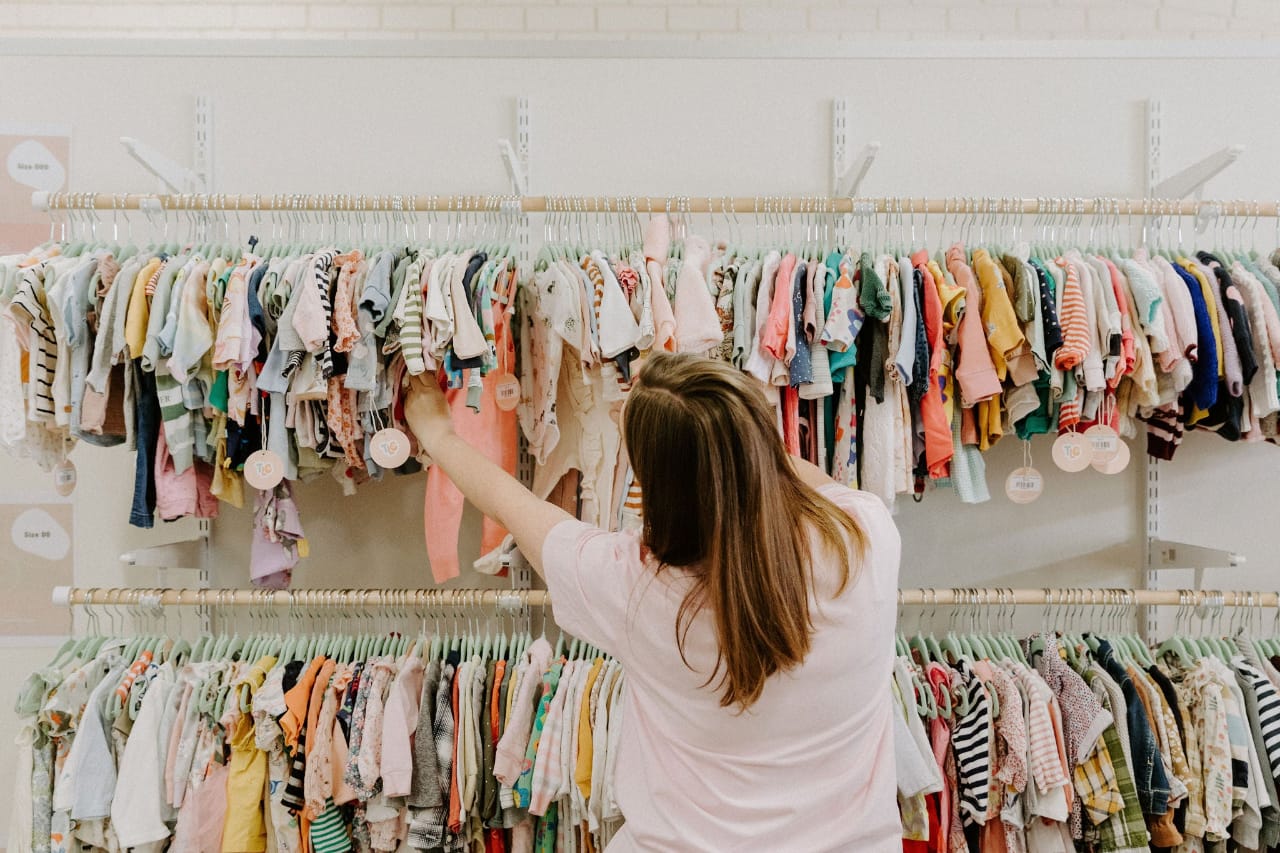
Discount stores, online marketplaces, and second-hand clothing platforms are now essential parts of the everyday kids’ clothing market. Parents are more open to purchasing pre-loved clothes that are still in excellent condition, especially since children outgrow items before they wear out completely.
Balancing Fashion and Functionality
Everyday kids’ clothing must strike the perfect balance between fashion and functionality. While children want trendy outfits that reflect their favorite characters or align with social media aesthetics, parents prioritize durability and practicality. This balance has led to innovations like reversible jackets, multipurpose shoes, stain-resistant pants, and adjustable waistbands that allow clothes to grow with the child.
Cultural and Social Significance
Kids’ clothing also reflects cultural values and social identity. For example, in conservative societies, parents may prefer modest everyday clothing for kids, such as long skirts, full-sleeved tops, or traditional wear adapted for daily use. In more liberal societies, casual wear may lean toward shorts, tank tops, and crop-style tops for girls. School uniforms are another significant element of everyday kids’ clothing, as they define children’s daily appearance in many countries and reduce the pressure of fashion choices in academic settings.
The Role of Parents and Media
Parents are the primary decision-makers for young children’s wardrobes, but media plays a huge role in influencing kids’ choices. Animated shows, social media influencers, and even YouTube channels create strong demand for specific styles or character-based clothing. For example, after the release of a popular animated movie, themed T-shirts, backpacks, and dresses become everyday staples in children’s wardrobes.
Conclusion
Everyday kids’ clothing is no longer just about practicality; it’s a fusion of comfort, affordability, style, and self-expression. It has evolved into a vibrant sector of the fashion industry that continues to grow and diversify with cultural shifts, global trends, and technological innovations. For parents, the challenge lies in keeping up with their child’s fast-changing tastes and rapid growth. For children, everyday clothing is a canvas of creativity and identity, making it a central aspect of their daily lives.